
Little Cuckoo vs Squirrel Cuckoo
Coccycua minuta contro Piaya cayana
Fai un quiz con Little Cuckoo e Squirrel Cuckoo
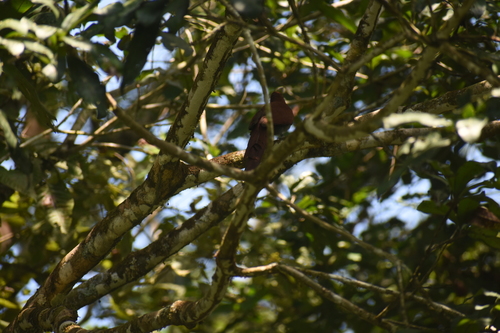 Little Cuckoo
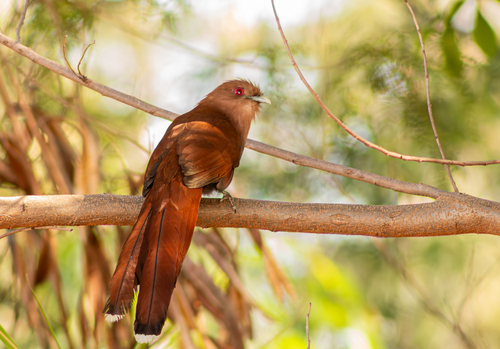 Squirrel Cuckoo
In breve
Il segno di campo più affidabile per separare il Little Cuckoo dal Squirrel Cuckoo è la dimensione: il Little Cuckoo è molto più piccolo e compatto, con una coda proporzionalmente più corta. Gli uccelli immaturi sono particolarmente confusi, ma i giovani Little Cuckoo sono di un marrone scuro con un becco nero e mancano di punte bianche sulla coda, mentre i giovani Squirrel Cuckoo sono più grandi, hanno un becco grigio e meno bianco nella coda. Gli adulti di entrambi hanno parti superiori castagne e becchi gialli, ma il Squirrel Cuckoo è più chiaro sulla gola e ha una coda molto più lunga e folta con punte bianche distinte sulle piume esterne. Sul campo, il Squirrel Cuckoo è più audace e più evidente, mentre il Little Cuckoo è timido e si tiene in copertura densa.
Consigli di identificazione
- Size and structure: Il Squirrel Cuckoo è quasi due volte più lungo e più di due volte più pesante del Little Cuckoo. Se l'uccello appare grande, slanciato e con una coda lunga, sospetta il Squirrel Cuckoo. Il Little Cuckoo è compatto, con una coda molto più corta.
- Tail length and shape: La coda del Squirrel Cuckoo è estremamente lunga e folta, spesso aperta o pendente ben oltre le punte delle ali. La coda del Little Cuckoo è più corta e meno evidente.
- Tail pattern (adult): Entrambe le specie hanno punte bianche sulle piume della coda da adulte, ma quelle del Squirrel Cuckoo sono più prominenti, specialmente sulle piume esterne nerastre. La coda del Little Cuckoo è più marrone e le punte bianche sono meno estese.
- Tail pattern (immature): Il giovane Little Cuckoo non ha affatto punte bianche sulla coda, mentre il giovane Squirrel Cuckoo di solito mostra almeno un po' di bianco sulle piume esterne della coda (anche se meno degli adulti). Questo è un segno chiave per separare gli uccelli giovani.
- Bill color (immature): Il giovane Little Cuckoo ha un becco nero, mentre il giovane Squirrel Cuckoo ha un becco grigio e un anello oculare. Gli adulti di entrambi hanno becchi gialli, ma quello del Squirrel Cuckoo è proporzionalmente più lungo.
- Throat color: Il Squirrel Cuckoo ha una gola visibilmente più chiara rispetto al Little Cuckoo, che ha una gola castagna più scura e uniforme. Questo è sottile ma utile in buona luce.
- Underparts: Il Squirrel Cuckoo mostra un petto inferiore grigio e un ventre nerastro, mentre il ventre inferiore del Little Cuckoo è grigiastro ma meno nettamente demarcato.
- Iris color: Entrambi gli adulti hanno iridi rosse, ma il giovane Squirrel Cuckoo ha un'iride marrone; il colore dell'iride dei giovani Little Cuckoo non è specificato ma non è un segno di campo primario.
- Behavior: Il Squirrel Cuckoo è audace, spesso visto muoversi tra rami aperti o volare tra gli alberi. Il Little Cuckoo è timido, di solito rimane nascosto nella vegetazione densa.
- Habitat: Se ti trovi in un mangrovieto o in una foresta umida densa vicino all'acqua, è più probabile che tu veda il Little Cuckoo. In foreste più secche o più aperte, ai margini della foresta o nei giardini, il Squirrel Cuckoo è la norma.
- Voice: I richiami del Squirrel Cuckoo sono forti, esplosivi e spesso fischiati. Il Little Cuckoo emette note dure e graffianti. Se senti una canzone 'wheep wheep', è il Squirrel Cuckoo.
- Flight style: Il Squirrel Cuckoo spesso compie voli lunghi e rimbalzanti e può sembrare quasi simile a uno scoiattolo nei suoi movimenti. Il Little Cuckoo si muove più furtivamente e raramente si espone in volo aperto.
- Jizz: L'impressione generale del Squirrel Cuckoo è quella di un grande uccello allungato con una coda fluente e un comportamento attivo e evidente. Il Little Cuckoo è piccolo, compatto e segreto.
- Plumage pitfalls: Entrambe le specie sono castagne sopra, ma il Squirrel Cuckoo è più chiaro sulla gola e ha un modello di parti inferiori più contrastante. Il giovane Little Cuckoo è molto più scuro nel complesso e manca di bianco nella coda.
- When in doubt: Se vedi un piccolo cuculo scuro e dalla coda corta in copertura densa, specialmente senza bianco nella coda, è probabile che sia un Little Cuckoo. Un grande uccello evidente con piume della coda con punte bianche è quasi sempre un Squirrel Cuckoo.
Taglia
Il Little Cuckoo è significativamente più piccolo (circa 27 cm, 40 g) rispetto al Squirrel Cuckoo (40.5–50 cm, 95–120 g) [wikipedia][avonet]. Il Squirrel Cuckoo non è solo più lungo ma anche più robusto, con una coda notevolmente lunga che può costituire quasi metà della sua lunghezza. Sul campo, la differenza di dimensione è spesso il primo indizio: il Squirrel Cuckoo appare slanciato e allungato, mentre il Little Cuckoo appare compatto e con una coda corta in confronto.
Piumaggio
-
Immature/juvenile birds: I giovani Little Cuckoo sono di un marrone scuro complessivamente, con un becco nero e senza punte bianche sulla coda. I giovani Squirrel Cuckoo sono più grandi, hanno un becco grigio e un anello oculare, un'iride marrone e meno bianco nella coda (ma potrebbe essere presente un po' di bianco, specialmente sulle piume esterne). Queste differenze sono più visibili quando gli uccelli sono posati o in volo lento, e sono critiche per separare gli uccelli giovani.
-
Adults: Entrambe le specie hanno principalmente parti superiori castagne e testa. Gli adulti Little Cuckoo sono di un marrone castagna complessivo, con un ventre inferiore grigio, una coda più marrone e punte bianche sulle piume della coda. La gola è più scura rispetto al Squirrel Cuckoo. Gli adulti Squirrel Cuckoo hanno una gola più chiara, un petto inferiore grigio, un ventre nerastro e una coda con piume centrali rugginose e piume esterne nere con punte bianche. Il becco è giallo e ricurvo in entrambi, ma quello del Squirrel Cuckoo è più lungo rispetto alla dimensione della testa. Entrambi hanno iridi rosse da adulti.
-
Tail pattern: La coda del Squirrel Cuckoo è molto più lunga e folta, con punte bianche più evidenti sulle piume esterne negli adulti. La coda del Little Cuckoo è più corta, con punte bianche solo negli adulti, ed è complessivamente più marrone.
Comportamento
Il Little Cuckoo è timido e tende a rimanere in copertura densa, cercando cibo in basso nei mangrovieti o in foreste cespugliose vicino all'acqua. È spesso difficile da vedere bene. Il Squirrel Cuckoo, al contrario, è audace e attivo, spesso visto muoversi attraverso foreste più aperte e margini di foresta, a volte unendosi anche a stormi di specie miste o seguendo sciami di formiche soldato. Il Squirrel Cuckoo è più probabile che venga visto all'aperto, correndo lungo i rami o facendo voli lunghi e rimbalzanti tra gli alberi.
Habitat
Il Little Cuckoo si trova più spesso in paludi di mangrovie e in foreste cespugliose dense vicino all'acqua, da Panama e Trinidad a sud attraverso gran parte del Sud America. Il Squirrel Cuckoo ha una tolleranza all'habitat più ampia, trovandosi in una vasta gamma di habitat boschivi dal Messico al nord dell'Argentina e all'Uruguay, inclusi i margini delle foreste, la crescita secondaria e i giardini, purché rimanga qualche bosco. Anche se i loro areali si sovrappongono, il Little Cuckoo è più legato a habitat umidi e densi, mentre il Squirrel Cuckoo è più adattabile e diffuso.
Voce
Il Little Cuckoo emette richiami duri 'chek' e 'kak', che sono brevi e graffianti. Il Squirrel Cuckoo ha una voce molto più esplosiva e varia, con richiami acuti 'kip!' e 'weeuu', e una canzone fischiata distintiva ('wheep wheep wheep'). Se senti una serie di note fischiate forti, è quasi certamente un Squirrel Cuckoo. I richiami del Little Cuckoo sono meno musicali e più bruschi.