
Motmot

ヒメリスカッコウ 対 リスカッコウ

Coccycua minuta 対 Piaya cayana

ヒメリスカッコウとリスカッコウのクイズ
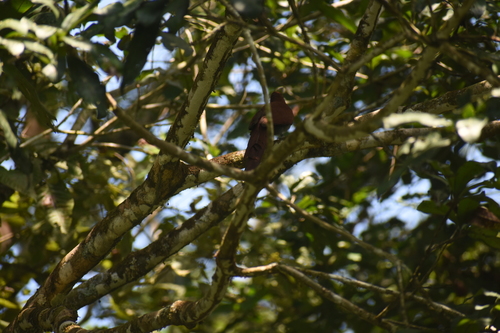
ヒメリスカッコウ (Coccycua minuta) ヒメリスカッコウ
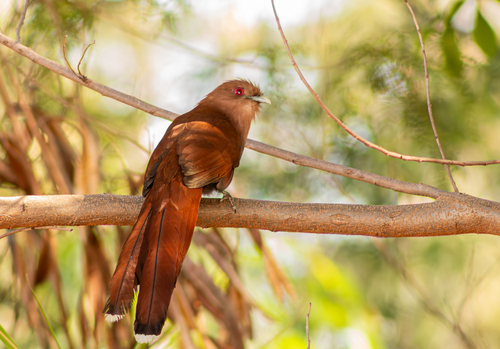
リスカッコウ (Piaya cayana) リスカッコウ

メディア

読み込み中…

要点

リスカッコウとヒメリスカッコウを区別するための最も信頼できるフィールドマークはサイズです:ヒメリスカッコウははるかに小さく、よりコンパクトで、相対的に短い尾を持っています。未熟な鳥は特に混乱を招きますが、ヒメリスカッコウの未熟な個体は濃い茶色で黒いくちばしを持ち、白い尾の先端がありません。一方、リスカッコウの未熟な個体は大きく、灰色のくちばしを持ち、尾に白が少ないです。両種の成鳥は栗色の上面と黄色のくちばしを持っていますが、リスカッコウは喉がより淡い色をしており、外側の羽に明確な白い先端を持つはるかに長く、ふさふさした尾を持っています。フィールドでは、リスカッコウはより大胆で目立ち、ヒメリスカッコウは内気で密なカバーに留まります。

識別のコツ

  1. Size and structure: リスカッコウはヒメリスカッコウのほぼ2倍の長さで、重さも2倍以上です。鳥が大きく、細長く、長い尾を持っているように見える場合は、リスカッコウを疑ってください。ヒメリスカッコウはコンパクトで、はるかに短い尾を持っています。
  2. Tail length and shape: リスカッコウの尾は非常に長く、ふさふさしており、しばしば扇状になったり、翼の先端を超えて垂れ下がったりします。ヒメリスカッコウの尾は短く、目立ちません。
  3. Tail pattern (adult): 両種の成鳥は尾羽に白い先端を持っていますが、リスカッコウの方が目立ち、特に黒っぽい外側の羽において顕著です。ヒメリスカッコウの尾はより茶色で、白い先端はあまり広がっていません。
  4. Tail pattern (immature): ヒメリスカッコウの未熟な個体は白い尾の先端が全くありませんが、未熟なリスカッコウは通常、外側の尾羽に少なくともいくつかの白が見られます(成鳥よりは少ないですが)。これは若い鳥を区別するための重要なマークです。
  5. Bill color (immature): ヒメリスカッコウの未熟な個体は黒いくちばしを持っていますが、未熟なリスカッコウは灰色のくちばしとアイリングを持っています。両種の成鳥は黄色いくちばしを持っていますが、リスカッコウの方が相対的に長いです。
  6. Throat color: リスカッコウはヒメリスカッコウよりも明らかに淡い喉を持っており、ヒメリスカッコウはより暗く、均一な栗色の喉を持っています。これは微妙ですが、良い光の下では役立ちます。
  7. Underparts: リスカッコウは灰色の下胸と黒っぽい腹を示しますが、ヒメリスカッコウの下腹は灰色がかっていますが、あまりはっきりとした境界はありません。
  8. Iris color: 両者の成鳥は赤い虹彩を持っていますが、未熟なリスカッコウは茶色の虹彩を持っています。ヒメリスカッコウの未熟な個体の虹彩の色は指定されていませんが、主要なフィールドマークではありません。
  9. Behavior: リスカッコウは大胆で、しばしば開けた枝を移動したり、木の間を飛んだりするのが見られます。ヒメリスカッコウは内気で、通常は密な植生の中に隠れています。
  10. Habitat: 水の近くのマングローブや密な湿った森林にいる場合、ヒメリスカッコウの方が可能性が高いです。乾燥したり、より開けた森林、森林の縁、または庭では、リスカッコウがデフォルトです。
  11. Voice: リスカッコウの鳴き声は大きく、爆発的で、しばしば口笛のようです。ヒメリスカッコウは厳しい、耳障りな音を出します。「ウィープ ウィープ」という歌を聞いたら、それはリスカッコウです。
  12. Flight style: リスカッコウはしばしば長く、跳ねるような飛行をし、動きがほとんどリスのように見えることがあります。ヒメリスカッコウはより慎重に動き、開けた飛行ではめったに自分をさらけ出しません。
  13. Jizz: リスカッコウの全体的な印象は、大きく、細長い鳥で、流れるような尾と活発で目立つ行動です。ヒメリスカッコウは小さく、コンパクトで、秘密主義です。
  14. Plumage pitfalls: 両種は上面が栗色ですが、リスカッコウは喉がより淡く、下部のパターンがより対照的です。未熟なヒメリスカッコウは全体的にずっと暗く、尾に白がありません。
  15. When in doubt: 密なカバーの中で小さく、暗く、短い尾のカッコウを見た場合、特に尾に白がない場合は、ヒメリスカッコウの可能性が高いです。大きく、長い尾を持ち、白い先端の尾羽を持つ目立つ鳥はほぼ常にリスカッコウです。

大きさ

ヒメリスカッコウはリスカッコウ(40.5–50 cm、95–120 g)と比較して、かなり小さい(約27 cm、40 g)です[wikipedia][avonet]。リスカッコウは長いだけでなく、ずっしりとした体型を持ち、尾は全長のほぼ半分を占めることがあります。フィールドでは、サイズの違いがしばしば最初の手がかりとなります:リスカッコウは細長く見え、ヒメリスカッコウは比較的コンパクトで短い尾に見えます。

羽色

行動

ヒメリスカッコウは内気で、密なカバーに留まり、水の近くのマングローブや低木の森林で低い位置で採餌する傾向があります。よく見るのが難しいことが多いです。対照的に、リスカッコウは大胆で活発で、より開けた森林や森林の縁を移動しているのがよく見られ、時には混成種の群れに加わったり、アリの群れを追ったりします。リスカッコウは開けた場所で見られる可能性が高く、枝を走ったり、木の間を長く跳ねるように飛んだりします。

生息環境

ヒメリスカッコウは、パナマやトリニダードから南アメリカの多くの地域にかけて、水の近くのマングローブ湿地や密な低木の森林で最もよく見られます。リスカッコウは、メキシコから北アルゼンチンやウルグアイにかけて、森林の縁、二次成長、庭など、広範囲の森林生息地で見られ、いくつかの森林が残っている限り、より広い生息地の許容範囲を持っています。彼らの生息域は重なっていますが、ヒメリスカッコウは湿った密な生息地により結びついており、リスカッコウはより適応力があり、広範囲に分布しています。

声

ヒメリスカッコウは厳しい「チェック」と「カク」という鳴き声を出し、短く耳障りです。リスカッコウははるかに爆発的で多様な声を持ち、鋭い「キップ!」や「ウィーウ」という鳴き声、そして特徴的な口笛の歌(「ウィープ ウィープ ウィープ」)を持っています。大きな口笛の音の連続を聞いた場合、それはほぼ確実にリスカッコウです。ヒメリスカッコウの鳴き声は音楽的ではなく、より abrupt です。

より良い説明を送る

比較と同じ項目を使ってください。文章はすぐに公開されます。

The most reliable field mark for separating Little Cuckoo from Common Squirrel-Cuckoo is size: Little Cuckoo is much smaller and more compact, with a proportionally shorter tail. Immature birds are especially confusing, but Little Cuckoo immatures are dark brown with a black bill and lack white tail tips, while Squirrel-Cuckoo immatures are larger, have a grey bill and less white in the tail. Adults of both have chestnut upperparts and yellow bills, but Squirrel-Cuckoo is paler on the throat and has a much longer, bushier tail with distinct white tips on the outer feathers. In the field, Squirrel-Cuckoo is bolder and more conspicuous, while Little Cuckoo is shy and keeps to dense cover.

  1. Size and structure: Squirrel-Cuckoo is nearly twice as long and more than twice as heavy as Little Cuckoo. If the bird appears large, lanky, and long-tailed, suspect Squirrel-Cuckoo. Little Cuckoo is compact, with a much shorter tail.
  2. Tail length and shape: Squirrel-Cuckoo's tail is extremely long and bushy, often fanned or drooping well past the wingtips. Little Cuckoo's tail is shorter and less conspicuous.
  3. Tail pattern (adult): Both species have white tips to the tail feathers as adults, but Squirrel-Cuckoo's are more prominent, especially on the blackish outer feathers. Little Cuckoo's tail is browner and the white tips are less extensive.
  4. Tail pattern (immature): Immature Little Cuckoo lacks white tail tips entirely, while immature Squirrel-Cuckoo usually shows at least some white on the outer tail feathers (though less than adults). This is a key mark for separating young birds.
  5. Bill color (immature): Immature Little Cuckoo has a black bill, while immature Squirrel-Cuckoo has a grey bill and eyering. Adults of both have yellow bills, but Squirrel-Cuckoo's is proportionally longer.
  6. Throat color: Squirrel-Cuckoo has a noticeably paler throat than Little Cuckoo, which has a darker, more uniform chestnut throat. This is subtle but useful in good light.
  7. Underparts: Squirrel-Cuckoo shows a grey lower breast and blackish belly, while Little Cuckoo's lower belly is greyish but less sharply demarcated.
  8. Iris color: Both adults have red irises, but immature Squirrel-Cuckoo has a brown iris; Little Cuckoo immatures' iris color is not specified but is not a primary field mark.
  9. Behavior: Squirrel-Cuckoo is bold, often seen moving through open branches or flying between trees. Little Cuckoo is shy, usually staying hidden in dense vegetation.
  10. Habitat: If you are in mangrove or dense wet woodland near water, Little Cuckoo is more likely. In drier or more open woodland, forest edge, or gardens, Squirrel-Cuckoo is the default.
  11. Voice: Squirrel-Cuckoo's calls are loud, explosive, and often whistled. Little Cuckoo gives harsh, grating notes. If you hear a 'wheep wheep' song, it's Squirrel-Cuckoo.
  12. Flight style: Squirrel-Cuckoo often makes long, bounding flights and can look almost squirrel-like in its movements. Little Cuckoo moves more furtively and rarely exposes itself in open flight.
  13. Jizz: Squirrel-Cuckoo's overall impression is of a large, elongated bird with a flowing tail and active, conspicuous behavior. Little Cuckoo is small, compact, and secretive.
  14. Plumage pitfalls: Both species are chestnut above, but Squirrel-Cuckoo is paler on the throat and has a more contrasting underparts pattern. Immature Little Cuckoo is much darker overall and lacks white in the tail.
  15. When in doubt: If you see a small, dark, short-tailed cuckoo in dense cover, especially without white in the tail, it's likely Little Cuckoo. A large, long-tailed, conspicuous bird with white-tipped tail feathers is almost always Squirrel-Cuckoo.

Little Cuckoo is significantly smaller (about 27 cm, 40 g) compared to the Common Squirrel-Cuckoo (40.5–50 cm, 95–120 g) [wikipedia][avonet]. The Squirrel-Cuckoo is not only longer but also bulkier, with a notably long tail that can make up nearly half its length. In the field, the size difference is often the first clue: Squirrel-Cuckoo looks lanky and elongated, while Little Cuckoo appears compact and short-tailed by comparison.

  • Immature/juvenile birds: Little Cuckoo immatures are dark brown overall, with a black bill and no white tips to the tail. Squirrel-Cuckoo immatures are larger, have a grey bill and eyering, brown iris, and less white in the tail (but some white may be present, especially on outer feathers). These differences are most visible when the birds are perched or in slow flight, and are critical for separating young birds.

  • Adults: Both species have mainly chestnut upperparts and head. Little Cuckoo adults are chestnut brown overall, with a greyish lower belly, a browner tail, and white tips to the tail feathers. The throat is darker than in Squirrel-Cuckoo. Squirrel-Cuckoo adults have a paler throat, a grey lower breast, a blackish belly, and a tail with rufous central feathers and black outer feathers tipped with white. The bill is yellow and decurved in both, but Squirrel-Cuckoo's is longer relative to head size. Both have red irises as adults.

  • Tail pattern: Squirrel-Cuckoo's tail is much longer and bushier, with more obvious white tips on the outer feathers in adults. Little Cuckoo's tail is shorter, with white tips only in adults, and is browner overall.

Little Cuckoo is shy and tends to keep to dense cover, foraging low in mangroves or scrubby woodland near water. It is often difficult to see well. Squirrel-Cuckoo, in contrast, is bold and active, often seen moving through more open woodland and forest edges, sometimes even joining mixed-species flocks or following army ant swarms. Squirrel-Cuckoo is more likely to be seen out in the open, running along branches or making long, bounding flights between trees.

Little Cuckoo is most often found in mangrove swamps and dense, scrubby woodland near water, from Panama and Trinidad south through much of South America. Squirrel-Cuckoo has a broader habitat tolerance, found in a wide range of wooded habitats from Mexico to northern Argentina and Uruguay, including forest edges, secondary growth, and gardens, as long as some woodland remains. While their ranges overlap, Little Cuckoo is more tied to wet, dense habitats, and Squirrel-Cuckoo is more adaptable and widespread.

Little Cuckoo gives harsh 'chek' and 'kak' calls, which are short and grating. Squirrel-Cuckoo has a much more explosive and varied voice, with sharp 'kip!' and 'weeuu' calls, and a distinctive whistled song ('wheep wheep wheep'). If you hear a series of loud, whistled notes, it is almost certainly Squirrel-Cuckoo. Little Cuckoo's calls are less musical and more abrupt.

変更を破棄しますか?

保存していない編集があります。今離れると失われます。

ヒメリスカッコウ · リスカッコウ · 苦手な鳥