

Labbo codalunga vs Labbo
Stercorarius longicaudus contro Stercorarius parasiticus
Fai un quiz con Labbo codalunga e Labbo
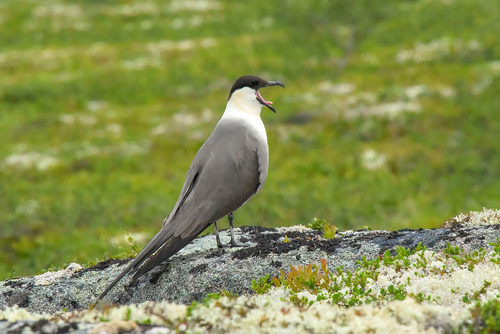 Labbo codalunga
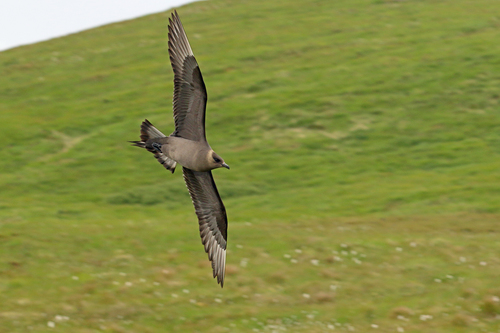 Labbo
In breve
Separare il Labbo codalunga (Stercorarius longicaudus) dal Labbo (Stercorarius parasiticus) è più affidabile negli adulti durante la stagione di nidificazione, quando il Labbo codalunga mostra streamers della coda estremamente lunghi e sottili e manca del flash bianco sulle ali visibile nel Labbo. Gli uccelli immaturi e giovanili sono molto più difficili da distinguere: concentrati sulla struttura e sul tono generale—il Labbo codalunga è più snello, con ali più lunghe e grigio più freddo, mentre il Labbo è più robusto, con ali più corte e più marrone. In volo, controlla il flash bianco sulle ali (presente nel Labbo, assente nel Labbo codalunga) e la proiezione della coda (molto più lunga nell'adulto Labbo codalunga). Entrambe le specie mostrano variazioni confondenti nel piumaggio giovanile, quindi la struttura e il comportamento in volo sono spesso più utili del colore. Aspettati sovrapposizioni e incertezze con gli uccelli giovani, specialmente in mare.
Consigli di identificazione
- Flash bianco sulle ali: Il Labbo di tutte le età e morfologie mostra un audace flash bianco alla base delle primarie in volo; il Labbo codalunga manca completamente di questo segno. Questo è il segno di campo più affidabile, specialmente per gli immaturi.
- Streamers della coda (adulti in piumaggio di nidificazione): Il Labbo codalunga ha streamers della coda estremamente lunghi e sottili (fino a 15 cm), molto superiori alla coda corta e appuntita del Labbo (circa 7 cm). Fuori dalla stagione di nidificazione, entrambi perdono gli streamers, quindi questo è utile solo negli adulti estivi.
- Struttura e comportamento: Il Labbo codalunga è più snello, con ali più lunghe e più simile a una sterna in volo, con uno stile più leggero e più galleggiante. Il Labbo è più robusto, con ali più corte e più simile a un falco, con battiti d'ali più profondi. Questo è particolarmente utile con i giovanili e gli uccelli non in nidificazione.
- Tono di colore generale (giovanili/immaturi): Il Labbo codalunga è solitamente di un grigio più freddo e più uniforme, mentre il Labbo è di un marrone più caldo. Tuttavia, entrambi sono variabili e questo segno non è infallibile.
- Colore della schiena (adulti): L'adulto Labbo codalunga ha una schiena grigia; l'adulto Labbo (morfologia chiara) ha una schiena marrone. Gli adulti Labbo di morfologia scura e intermedia sono generalmente marroni a marrone scuro.
- Schema della testa (adulti): Entrambi hanno una cappelliera nera, ma l'adulto Labbo (morfologia chiara) mostra una testa e un collo giallo-bianco, mentre il Labbo codalunga ha una cappelliera più uniforme e manca del lavaggio giallastro.
- Parte inferiore (adulti): L'adulto Labbo (morfologia chiara) ha principalmente parti inferiori bianche; il Labbo codalunga è meno contrastante.
- Becco e zampe: Non separabili in modo affidabile in campo sulla base delle note disponibili.
- Comportamento in volo: Il Labbo codalunga spesso si libra e appare più simile a una sterna; il Labbo è più diretto e simile a un falco.
- Contesto habitat: Il Labbo codalunga è più probabile che si trovi nell'entroterra durante il passaggio; il Labbo è più comune dalla costa.
- Aggressività: Entrambi possono essere aggressivi vicino ai nidi, ma questo non è un segno di campo affidabile.
- Voce: Il Labbo codalunga emette richiami striduli/rattling; il Labbo emette note nasali. Non è solitamente diagnostico, tranne che nei luoghi di nidificazione.
- Dimensione: Il Labbo codalunga è leggermente più piccolo e leggero, ma la sovrapposizione è estesa e non affidabile in campo.
- Stagione: La lunghezza degli streamers della coda aiuta solo negli adulti in nidificazione (estate); in inverno o con immaturi, fai affidamento sul flash delle ali e sulla struttura.
- Variazione del piumaggio: Entrambe le specie mostrano ampia variazione nel piumaggio giovanile; utilizza sempre più segni e aspettati che alcuni uccelli siano non identificabili senza osservazioni ravvicinate e prolungate.
Taglia
Il Labbo codalunga è il più piccolo skua, con una massa corporea di circa 289 g e una lunghezza di 38–58 cm, ma fino alla metà di questa lunghezza può essere costituita dagli streamers della coda negli adulti. Il Labbo è leggermente più grande e pesante (lunghezza 41–48 cm, 300–650 g), con uno streamer della coda più corto (circa 7 cm negli adulti). In campo, il Labbo codalunga appare più snello e simile a una sterna, mentre il Labbo è più robusto e più massiccio, ma la dimensione da sola non è affidabile a causa della sovrapposizione e dell'effetto degli streamers della coda.
Piumaggio
-
Giovanili/immaturi: Entrambe le specie sono altamente variabili e possono essere molto simili, ma il Labbo codalunga è solitamente di un grigio più freddo e più uniforme, mentre il Labbo è di un marrone più caldo. Il giovanile Labbo codalunga è più snello, con ali più lunghe e più simile a una sterna, con una tonalità più grigia. Il giovanile Labbo è più robusto, con ali più corte e più marrone nel complesso. Entrambi mancano degli streamers della coda degli adulti. Il segno più affidabile è il flash bianco sulle ali: presente in tutte le morfologie del Labbo (inclusi i giovanili), assente nel Labbo codalunga.
-
Adulti (nidificazione): Il Labbo codalunga è inconfondibile con streamers della coda molto lunghi e sottili (fino a 15 cm), una schiena grigia, cappelliera nera e primarie scure senza flash bianco sulle ali. L'adulto Labbo (morfologia chiara) ha una schiena marrone, parti inferiori bianche, testa e collo giallo-bianco con cappelliera nera, e un flash bianco sulle primarie scure; lo streamer della coda è più corto e meno appuntito. Gli adulti Labbo di morfologia scura e intermedia sono generalmente marroni a marrone scuro ma mostrano comunque il flash bianco sulle ali.
-
Adulti (non nidificazione): Entrambe le specie perdono gli streamers della coda e diventano meno distintive, ma le differenze strutturali e il flash delle ali rimangono utili.
Comportamento
Il Labbo codalunga spesso si libra sopra i territori di nidificazione e appare più simile a una sterna in volo, con uno stile di volo più leggero e più galleggiante. Il Labbo è più simile a un falco e diretto, con battiti d'ali più forti e potenti. Entrambe le specie si impegnano nel kleptoparassitismo (inseguire altri uccelli per il cibo), ma il Labbo è più comunemente visto dalla costa ed è generalmente più audace. Nei luoghi di nidificazione, entrambi possono essere aggressivi verso gli intrusi.
Habitat
Entrambe le specie nidificano su tundra secca o colline alte nell'Artico, ma il Labbo codalunga preferisce terreni più alti e secchi ed è più probabile trovarlo nell'entroterra durante il passaggio (a volte anche in campi o campi da golf). Il Labbo è più spesso visto dalla costa ed è il jaeger più comune nella migrazione costiera. Entrambi svernano in mare nell'emisfero australe, ma il Labbo è più probabile che venga visto vicino alle coste durante la migrazione.
Voce
Il Labbo codalunga emette richiami striduli e rattling nei luoghi di nidificazione, e un grido aspro 'kreeah' in mare. Il Labbo è solitamente silenzioso tranne che per un suono nasale e note di allerta più brevi nei luoghi di nidificazione. La voce è raramente diagnostica in campo, tranne forse nel territorio.