

Malagasy Kestrel vs Seychelles Kestrel
Falco newtoni contro Falco araeus
Fai un quiz con Malagasy Kestrel e Seychelles Kestrel
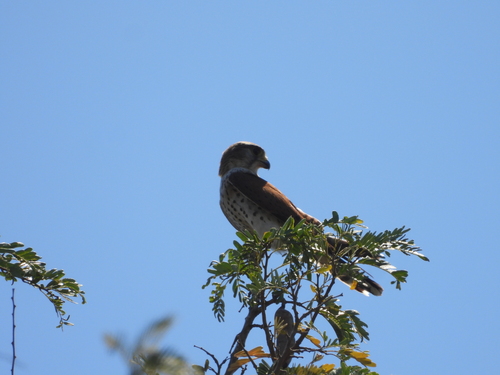 Malagasy Kestrel
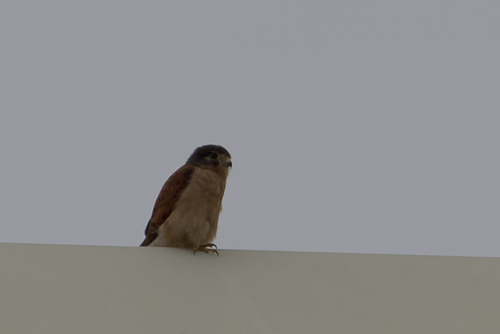 Seychelles Kestrel
In breve
Il segno distintivo più affidabile per separare il Malagasy Kestrel e il Seychelles Kestrel è la maculatura delle parti inferiori: il Malagasy Kestrel di tutte le età mostra distintive macchie nere sulle parti inferiori biancastre, mentre il Seychelles Kestrel adulto ha parti inferiori di un buff uniforme, senza macchie. Il Seychelles Kestrel giovanile può mostrare alcune macchie sul petto, ma la testa è marrone e striata, non ruggine-grigia o castagna come nel Malagasy Kestrel. In volo, entrambi sono piccoli kestrel con code barrate, ma il Seychelles Kestrel è notevolmente più piccolo e più compatto, con ali più corte e rotonde. Anche il colore della testa e del coda aiuta: gli adulti Seychelles Kestrel hanno una testa e una coda blu-grigia scura, mentre i maschi Malagasy Kestrel hanno una testa ruggine-grigia con striature scure. L'habitat è un forte indizio: il Malagasy Kestrel si trova in Madagascar e Aldabra, mentre il Seychelles Kestrel è endemico delle Seychelles.
Consigli di identificazione
- Maculatura delle parti inferiori: Il Malagasy Kestrel di tutte le età mostra macchie nere sulle parti inferiori biancastre; gli adulti Seychelles Kestrel sono di un buff uniforme sotto. Questo è il segno distintivo più affidabile in uccelli posati o in volo.
- Testa e petto giovanili: Il Seychelles Kestrel giovanile ha una testa marrone, striata e alcune macchie sul petto, ma non la testa ruggine/grigia o castagna e le pesanti macchie del giovanile Malagasy Kestrel.
- Colore della testa adulta: Gli adulti Seychelles Kestrel hanno una testa e una coda blu-grigia scura; i maschi Malagasy Kestrel hanno una testa ruggine-grigia, striata, e le femmine una testa castagna più forte.
- Schema della coda: Entrambi hanno code barrate, ma la coda del Malagasy Kestrel è grigia con 6–7 barre nere strette e una larga barra subterminale, tutte le piume con la punta bianca; la coda del Seychelles Kestrel è blu-grigia con barre nere, e gli immaturi hanno una punta buff.
- Parti superiori: Le parti superiori del Malagasy Kestrel sono castagne con macchie nere; le parti superiori del Seychelles Kestrel sono marrone rossiccio con macchie nere, ma la differenza è sottile e non sempre affidabile sul campo.
- Dimensioni e struttura: Il Seychelles Kestrel è notevolmente più piccolo e più compatto, con ali più corte e rotonde e una coda più corta. Il Malagasy Kestrel appare più lungo e snello, specialmente in volo.
- Morfologia ruggine: Solo il Malagasy Kestrel mostra una morfologia ruggine, con una testa quasi nera e un corpo castagna scuro, ancora con striature e macchie nere sotto. Se vedi questa morfologia, non è un Seychelles Kestrel.
- Becco, cere e zampe: Entrambi hanno un becco scuro con cere e zampe gialle, ma il Malagasy Kestrel (morfologia ruggine) può mostrare zampe arancioni brillanti. Questo non è un segno distintivo primario.
- Differenze sessuali: La femmina del Malagasy Kestrel è più pesantemente macchiata sotto e ha una testa castagna più forte rispetto al maschio; la femmina del Seychelles Kestrel è più chiara del maschio ma ancora senza macchie sotto.
- Aspetto in volo: In volo, il Seychelles Kestrel è compatto e con ali corte; il Malagasy Kestrel ha ali più lunghe e un aspetto più galleggiante.
- Habitat e distribuzione: Il Malagasy Kestrel si trova in Madagascar e Aldabra; il Seychelles Kestrel è endemico delle Seychelles. La posizione è un forte indizio.
- Comportamento di poso: Entrambi posano bassi, ma il Malagasy Kestrel può essere visto cacciare insetti all'alba/tramonto, mentre il Seychelles Kestrel è più probabile che venga visto in aree boschive o rocciose.
- Punta della coda immatura: Il Seychelles Kestrel giovanile ha una punta buff sulla coda, che è assente nel Malagasy Kestrel.
- Voce: Entrambi sono chiamati 'katiti' per i loro richiami acuti, ma non sono documentate separazioni affidabili per voce.
- Quando in dubbio: Concentrati sulla maculatura delle parti inferiori (presente nel Malagasy, assente nel Seychelles adulto), sul colore della testa (blu-grigia nel Seychelles, ruggine/castagna nel Malagasy) e sulle dimensioni/struttura complessive.
Taglia
Il Malagasy Kestrel è più grande e più pesante, con maschi che pesano 112–118 g e femmine fino a 128 g [wikidata]. La sua lunghezza corporea raggiunge circa 30 cm e le ali misurano 180–203 mm. Il Seychelles Kestrel è il kestrel più piccolo, lungo solo 18–23 cm con un'apertura alare di 40–45 cm [wikipedia]. Sul campo, il Seychelles Kestrel appare nettamente più piccolo, con un aspetto più compatto, con ali corte e coda corta rispetto al Malagasy Kestrel più lungo e snello.
Piumaggio
- Uccelli giovanili/immaturi: I giovanili del Malagasy Kestrel assomigliano alle femmine, con forti toni castagna sulla testa e pesanti macchie nere sotto. Gli immaturi del Seychelles Kestrel hanno una testa marrone, striata, macchie sul petto (non sull'addome) e una punta buff sulla coda. Le parti inferiori dei giovani Seychelles Kestrel sono meno pesantemente marcate rispetto al Malagasy Kestrel, e la testa non è mai ruggine o castagna.
- Maschi adulti: I maschi del Malagasy Kestrel hanno una testa ruggine-grigia, striata, parti superiori castagne con macchie nere e parti inferiori biancastre con macchie nere. I maschi del Seychelles Kestrel hanno una testa e una coda blu-grigia scura, parti superiori marrone rossiccio con macchie nere e parti inferiori di un buff uniforme.
- Femmine adulte: Le femmine del Malagasy Kestrel hanno una testa castagna più forte, più macchie sotto e una coda marrone con barre nere. Le femmine del Seychelles Kestrel sono simili ai maschi ma più chiare e leggermente più grandi; le parti inferiori rimangono senza macchie e buff.
- Coda: Entrambe le specie hanno code barrate, ma la coda del Malagasy Kestrel è grigia con 6–7 barre nere strette e una larga barra subterminale, tutte le piume con la punta bianca. La coda del Seychelles Kestrel è blu-grigia con barre nere, e gli immaturi hanno una punta buff.
- Morfologia ruggine: Solo il Malagasy Kestrel mostra una morfologia ruggine, con testa quasi nera e corpo castagna scuro, ancora con striature e macchie nere sotto.
Comportamento
Entrambe le specie cacciano da posatoi bassi e possono planare, ma il Malagasy Kestrel è più probabile che venga visto cacciare insetti all'alba o al tramonto, spesso da habitat aperti o semi-aperti. Il Seychelles Kestrel, essendo ristretto all'isola e l'unico rapace nella sua area, può essere più confidente ed è spesso visto in habitat boschivi o rocciosi. Entrambi possono catturare piccoli vertebrati, ma il Malagasy Kestrel è più insettivoro nel complesso.
Habitat
L'habitat è un forte separatore: il Malagasy Kestrel si trova in tutto il Madagascar e Aldabra, spesso in campagna aperta, bordi di foresta e anche vicino a insediamenti umani. Il Seychelles Kestrel è strettamente endemico alle Isole Seychelles, dove è l'unico rapace nidificante, e si trova in foreste, boschi e aree rocciose. Se visto al di fuori delle Seychelles, l'uccello è per default un Malagasy Kestrel.
Voce
Entrambe le specie sono chiamate 'katiti' nel creolo locale per i loro richiami forti e acuti, ma non sono descritte differenze diagnostiche nella voce nelle note disponibili.
Malagasy Kestrel · Seychelles Kestrel · I miei uccelli difficili