

malagasy kestrel vs seychelles kestrel
Falco newtoni versus Falco araeus
Jogue um quiz com malagasy kestrel e seychelles kestrel
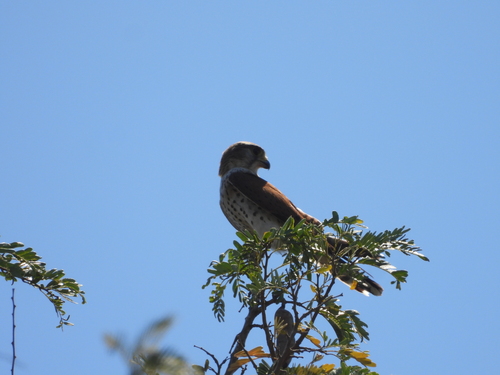 malagasy kestrel
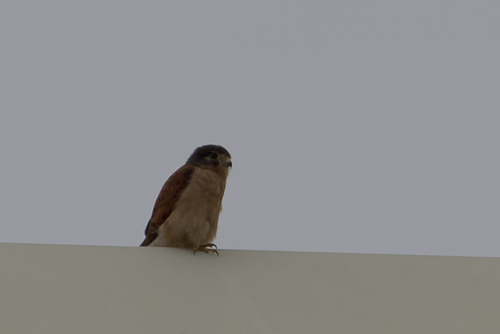 seychelles kestrel
Em resumo
A marca de campo mais confiável para separar o malagasy kestrel e o seychelles kestrel é a mancha nas partes inferiores: o malagasy kestrel de todas as idades apresenta manchas pretas distintas nas partes inferiores esbranquiçadas, enquanto o seychelles kestrel adulto tem partes inferiores de cor buff, sem manchas. O seychelles kestrel juvenil pode mostrar algumas manchas no peito, mas a cabeça é marrom e estriada, não ruiva-cinza ou castanha como no malagasy kestrel. Em voo, ambos são pequenos kestrels com caudas listradas, mas o seychelles kestrel é visivelmente menor e mais compacto, com asas mais curtas e arredondadas. A cor da cabeça e do rabo também ajuda: os adultos do seychelles kestrel têm cabeça e rabo de um azul-cinza escuro, enquanto os machos do malagasy kestrel têm cabeça ruiva-cinza com listras escuras. O habitat é uma pista forte: o malagasy kestrel é encontrado em Madagascar e Aldabra, enquanto o seychelles kestrel é endêmico das Seychelles.
Dicas de identificação
- Mancha nas partes inferiores: O malagasy kestrel de todas as idades apresenta manchas pretas nas partes inferiores esbranquiçadas; os adultos do seychelles kestrel são de cor buff abaixo. Esta é a marca de campo mais confiável em aves empoleiradas ou voando.
- Cabeça e peito juvenil: O seychelles kestrel juvenil tem uma cabeça marrom, estriada e algumas manchas no peito, mas não a cabeça ruiva/cinza ou castanha e as manchas pesadas do juvenil malagasy kestrel.
- Cor da cabeça adulta: Os adultos do seychelles kestrel têm cabeça e rabo de um azul-cinza escuro; os machos do malagasy kestrel têm cabeça ruiva-cinza, estriada, e as fêmeas têm uma cabeça castanha mais forte.
- Padrão da cauda: Ambos têm caudas listradas, mas a cauda do malagasy kestrel é cinza com 6–7 listras pretas estreitas e uma larga barra subterminal, todas as penas com pontas brancas; a cauda do seychelles kestrel é azul-cinza com listras pretas, e os imaturos têm uma ponta buff.
- Partes superiores: As partes superiores do malagasy kestrel são castanhas com manchas pretas; as partes superiores do seychelles kestrel são marrom avermelhado com manchas pretas, mas a diferença é sutil e nem sempre confiável em campo.
- Tamanho e estrutura: O seychelles kestrel é visivelmente menor e mais compacto, com asas mais curtas e arredondadas e uma cauda mais curta. O malagasy kestrel parece mais longo e esguio, especialmente em voo.
- Morfologia ruiva: Apenas o malagasy kestrel apresenta uma morfologia ruiva, com uma cabeça quase preta e corpo castanho escuro, ainda com listras e manchas pretas abaixo. Se você ver essa morfologia, não é um seychelles kestrel.
- Bico, cera e pernas: Ambos têm bico escuro com cera e pernas amarelas, mas o malagasy kestrel (morfologia ruiva) pode mostrar pernas laranja brilhantes. Esta não é uma marca de campo primária.
- Diferenças sexuais: A fêmea do malagasy kestrel é mais manchada abaixo e tem uma cabeça castanha mais forte do que o macho; a fêmea do seychelles kestrel é mais clara do que o macho, mas ainda sem manchas abaixo.
- Voo: Em voo, o seychelles kestrel é compacto e com asas curtas; o malagasy kestrel tem asas mais longas e é mais flutuante.
- Habitat e distribuição: O malagasy kestrel é encontrado em Madagascar e Aldabra; o seychelles kestrel é endêmico das Seychelles. A localização é uma pista forte.
- Comportamento de empoleiramento: Ambos empoleiram-se baixo, mas o malagasy kestrel pode ser visto caçando insetos ao amanhecer/anoitecer, enquanto o seychelles kestrel é mais provável de ser visto em áreas florestais ou rochosas.
- Ponta da cauda imatura: O seychelles kestrel juvenil tem uma ponta buff na cauda, que está ausente no malagasy kestrel.
- Voz: Ambos são chamados de 'katiti' por seus chamados agudos, mas nenhuma separação confiável por voz está documentada.
- Quando em dúvida: Foque na mancha das partes inferiores (presente no malagasy, ausente no seychelles adulto), cor da cabeça (azul-cinza no seychelles, ruiva/castanha no malagasy) e tamanho/estrutura geral.
Tamanho
O malagasy kestrel é maior e mais pesado, com machos pesando 112–118 g e fêmeas até 128 g [wikidata]. Seu comprimento corporal atinge cerca de 30 cm, e as asas medem 180–203 mm. O seychelles kestrel é o menor kestrel, medindo apenas 18–23 cm de comprimento com uma envergadura de 40–45 cm [wikipedia]. Em campo, o seychelles kestrel parece visivelmente menor, com uma aparência mais compacta, de asas curtas e cauda curta em comparação com o malagasy kestrel, que é mais longo e esguio.
Plumagem
- Aves juvenis/imaturas: Os juvenis do malagasy kestrel se assemelham às fêmeas, com tons castanhos fortes na cabeça e manchas pretas pesadas abaixo. Os imaturos do seychelles kestrel têm uma cabeça marrom, estriada, manchas no peito (não na barriga) e uma ponta buff na cauda. As partes inferiores dos jovens seychelles kestrel são menos marcadas do que as do malagasy kestrel, e a cabeça nunca é ruiva ou castanha.
- Machos adultos: Os machos do malagasy kestrel têm cabeça ruiva-cinza, estriada, partes superiores castanhas com manchas pretas e partes inferiores esbranquiçadas com manchas pretas. Os machos do seychelles kestrel têm cabeça e rabo de um azul-cinza escuro, partes superiores marrom avermelhado com manchas pretas e partes inferiores buff sem manchas.
- Fêmeas adultas: As fêmeas do malagasy kestrel têm uma cabeça castanha mais forte, mais manchas abaixo e uma cauda marrom com listras pretas. As fêmeas do seychelles kestrel são semelhantes aos machos, mas mais claras e ligeiramente maiores; as partes inferiores permanecem sem manchas e buff.
- Cauda: Ambas as espécies têm caudas listradas, mas a cauda do malagasy kestrel é cinza com 6–7 listras pretas estreitas e uma larga barra subterminal, todas as penas com pontas brancas. A cauda do seychelles kestrel é azul-cinza com listras pretas, e os imaturos têm uma ponta buff.
- Morfologia ruiva: Apenas o malagasy kestrel apresenta uma morfologia ruiva, com cabeça quase preta e corpo castanho escuro, ainda com listras e manchas pretas abaixo.
Comportamento
Ambas as espécies caçam de poleiros baixos e podem pairar, mas o malagasy kestrel é mais provável de ser visto caçando insetos ao amanhecer ou anoitecer, frequentemente em habitats abertos ou semi-abertos. O seychelles kestrel, sendo restrito a ilhas e o único rapinante em sua área, pode ser mais confiante e é frequentemente visto em habitats florestais ou rochosos. Ambas podem capturar pequenos vertebrados, mas o malagasy kestrel é mais insetívoro no geral.
Habitat
O habitat é um separador forte: o malagasy kestrel é encontrado em toda Madagascar e Aldabra, frequentemente em campos abertos, bordas de florestas e até mesmo perto de habitações humanas. O seychelles kestrel é estritamente endêmico das Ilhas Seychelles, onde é o único rapinante reprodutor, e é encontrado em florestas, matas e áreas rochosas. Se visto fora das Seychelles, a ave é, por padrão, um malagasy kestrel.
Voz
Ambas as espécies são chamadas de 'katiti' no crioulo local por seus chamados altos e agudos, mas nenhuma diferença diagnóstica na voz é descrita nas notas disponíveis.
malagasy kestrel · seychelles kestrel · Minhas aves difíceis