

Palau Fantail vs Palau Flycatcher
Rhipidura lepida contro Myiagra erythrops
Fai un quiz con Palau Fantail e Palau Flycatcher
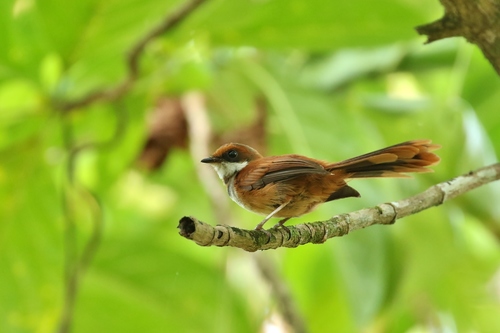 Palau Fantail
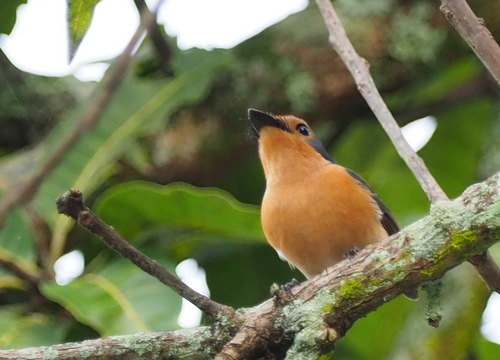 Palau Flycatcher
In breve
Il modo più affidabile per separare il Palau Fantail dal Palau Flycatcher è attraverso la loro struttura e la coda: il Fantail ha una coda distintamente lunga e spesso la apre o la muove, mentre il Flycatcher ha una coda più corta e larga e una postura più robusta e verticale. I Palau Fantails adulti mostrano una combinazione sorprendente di parti superiori color cannella, petto nero e gola e ventre bianchi, mentre il Palau Flycatcher manca di questo contrasto e ha un diverso schema della testa. I Fantails giovanili hanno parti superiori marroni e gole bianche sporche, che possono essere confuse con altri uccelli opachi, ma la loro struttura e il comportamento della coda rimangono distintivi. Entrambe le specie sono endemiche di Palau e possono verificarsi in habitat simili, quindi è essenziale prestare attenzione alla forma e al piumaggio.
Consigli di identificazione
- Forma e comportamento della coda: Il Palau Fantail ha una coda lunga, spesso aperta o mossa, che è un segno costante in tutte le età e piumaggi. Il Palau Flycatcher ha una coda più corta e larga e non la apre o la muove nello stesso modo.
- Struttura generale: Il Fantail è snodato ed allungato, con un corpo corto e una coda lunga, dando un aspetto delicato. Il Flycatcher è più compatto e verticale, con un becco e un corpo più robusti.
- Contrasto del piumaggio adulto: Gli adulti del Fantail mostrano parti superiori color cannella, petto nero, gola e ventre bianchi, e una coda con nero e ruggine. Il Flycatcher manca di questa combinazione, mostrando invece un piumaggio più uniforme o leggermente marcato, possibilmente con un volto ruggine ma non il forte contrasto bianco e nero.
- Piumaggio giovanile: I Fantails giovanili sono marroni sopra con gole bianche sporche, mancando del contrasto adulto ma mostrando ancora la lunga coda e il comportamento attivo della coda. Il piumaggio del Flycatcher giovanile non è descritto, ma la struttura e il comportamento dovrebbero comunque separarli.
- Schema delle ali: Non è descritto alcun schema distintivo delle ali superiori per entrambe le specie che permetterebbe la separazione in volo basata solo sui segni delle ali.
- Forma del becco: Il Fantail ha un becco fine e snodato adatto per raccogliere; il Flycatcher ha un becco più largo e piatto tipico di Myiagra, adattato per la cattura di insetti in volo.
- Postura in perching: Il Fantail appare spesso orizzontale con la coda sollevata o aperta; il Flycatcher si posiziona più verticalmente, con una postura più stabile e meno irrequieta.
- Stile di volo: Il Fantail è irrequieto, con frequenti voli brevi e movimento della coda; il Flycatcher compie voli più diretti, lanciandosi da un posatoio.
- Differenze sessuali: Entrambe le specie sono simili nel piumaggio tra i sessi; le femmine del Fantail sono leggermente più piccole, ma questo non è un segno affidabile sul campo.
- Sovrapposizione degli habitat: Entrambi possono verificarsi negli stessi tipi di foresta, quindi non fare affidamento solo sull'habitat per l'identificazione.
- Vocalizzazioni: Non sono descritte differenze diagnostiche nelle note; non fare affidamento sulla voce a meno che tu non abbia esperienza locale.
- Trappole con gli immaturi: I giovani Fantails possono apparire opachi e possono essere scambiati per altri piccoli uccelli, ma la loro struttura e il comportamento della coda rimangono distintivi.
- Abbondanza locale: Il Fantail è descritto come comune nelle foreste di Palau; lo stato del Flycatcher non è dettagliato, ma entrambi possono essere attesi in habitat adatti.
- Indizi contestuali: Se vedi un uccello che apre attivamente la coda e si muove irrequieto attraverso il sottobosco, è quasi certamente un Fantail. Un uccello che si posiziona verticalmente e si lancia per gli insetti senza aprire la coda è più probabile sia un Flycatcher.
- Quando hai dubbi: Concentrati prima sulla lunghezza e sul comportamento della coda, poi controlla i contrasti unici del piumaggio del Fantail e la forma generale.
Taglia
Il Palau Fantail ha una lunghezza media di circa 18 cm e appare snodato con una lunga coda, dando un aspetto delicato e allungato. Il Palau Flycatcher non è descritto in dettaglio per dimensioni nelle note disponibili, ma come un Myiagra flycatcher, ci si aspetta che abbia una coda più corta e sia più compatto, con un corpo e un becco più robusti. Le femmine del Fantail sono leggermente più piccole dei maschi, ma questo è sottile e non è un segno affidabile sul campo.
Piumaggio
I Palau Fantails adulti sono color cannella sopra (cappello, nuca, schiena, coda superiore), con una gola e un malar bianchi, petto nero e ventre bianco. Le loro ali sono nere bordate di cannella, e la coda è nera con punte ruggine. I giovanili sono marroni sopra e hanno gole bianche sporche, mancando del netto contrasto adulto ma mostrando ancora la lunga coda e il comportamento attivo di apertura della coda. Il Palau Flycatcher non è descritto in dettaglio per piumaggio nelle note, ma come un Myiagra, manca delle tonalità cannella del Fantail e del forte contrasto bianco e nero del petto, e ha invece un piumaggio più uniforme o leggermente marcato con un volto ruggine (come suggerito da nomi alternativi come 'flycatcher dal volto ruggine'). Il Flycatcher non mostra il pattern unico della coda del Fantail o l'estesa colorazione cannella.
Comportamento
I Palau Fantails sono altamente attivi, frequentemente aprendo e muovendo le loro lunghe code, e sono spesso visti muoversi attraverso il sottobosco e il sottobosco, raccogliendo insetti dalla vegetazione o catturandoli in brevi lanci. Questo comportamento irrequieto e nervoso è tipico dei fantails. I Palau Flycatchers, al contrario, sono più propensi a posarsi verticalmente e lanciarsi per gli insetti, con meno movimento della coda e un comportamento più stabile e simile a quello dei flycatcher. L'azione costante della coda del Fantail è un indizio comportamentale chiave.
Habitat
Entrambe le specie sono endemiche di Palau e possono essere trovate nelle foreste, comprese le crescite primarie e secondarie, i frammenti forestali e occasionalmente i cespugli o le mangrovie. Il Fantail è descritto come comune in questi habitat ed è particolarmente attivo nel sottobosco e nel sottobosco. Non ci sono evidenze nelle note di una forte separazione degli habitat tra i due, quindi l'habitat da solo non è diagnostico.