Palm Warbler vs Pine Warbler
Setophaga palmarum contro Setophaga pinus
Fai un quiz con Palm Warbler e Pine Warbler
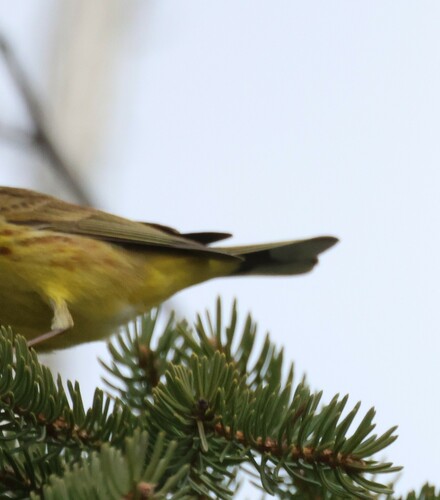 Palm Warbler
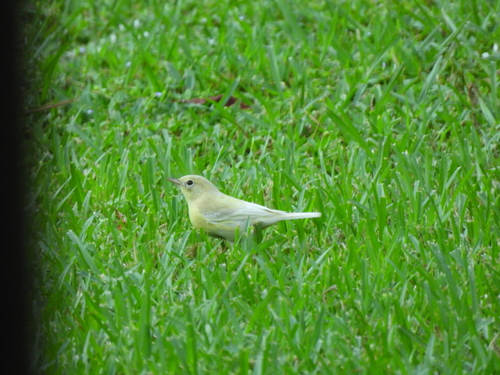 Pine Warbler
In breve
Il segno distintivo più affidabile per separare il Palm Warbler dal Pine Warbler è il continuo movimento della coda del Palm Warbler, che è quasi unico tra i warbler ed è assente nel Pine Warbler. Nel piumaggio, i Palm Warbler (soprattutto la sottospecie 'gialla' orientale) mostrano molto più giallo sotto e spesso hanno striature rugginose sul petto e sui fianchi, mentre i Pine Warbler hanno una pancia bianca, due barre alari bianche ben definite e una gola e un petto gialli più uniformi. Strutturalmente, i Pine Warbler hanno un becco più lungo e appuntito e appaiono spesso più robusti. Entrambe le specie possono essere trovate a cercare cibo a terra, ma i Palm Warbler lo fanno molto più frequentemente e sono spesso visti in aree aperte e infestanti, mentre i Pine Warbler sono strettamente legati agli alberi di pino. Se vedi un warbler in un pino con una pancia bianca e senza movimento della coda, è probabile che sia un Pine Warbler; se è a terra, muovendo la coda e appare giallastro con striature rugginose, è quasi certamente un Palm Warbler.
Consigli di identificazione
- Movimento della coda: Il Palm Warbler muove costantemente la coda su e giù, sia quando è posato che mentre cerca cibo; il Pine Warbler non lo fa mai. Questo è il segno comportamentale più affidabile per tutte le età e stagioni.
- Colore della pancia: Il Pine Warbler ha sempre una pancia bianca pulita, in netto contrasto con la gola e il petto gialli; il Palm Warbler è giallastro sotto in tutto, a volte con striature rugginose, e non mostra mai una chiara pancia bianca.
- Barre alari: Il Pine Warbler mostra due forti barre alari bianche su un'ala scura in tutti i piumaggi; le barre alari del Palm Warbler sono deboli o assenti, specialmente negli uccelli occidentali.
- Striature sul petto e sui fianchi: Il Palm Warbler (soprattutto gli uccelli orientali) mostra forti striature rugginose sul petto e sui fianchi; il Pine Warbler è privo di striature sotto.
- Area oculare: Il Pine Warbler ha 'occhiali' giallastri (un anello o arco spezzato attorno all'occhio); il Palm Warbler manca di questa caratteristica, anche se può mostrare un supercilio pallido.
- Forma del becco: Il Pine Warbler ha un becco più lungo, più sottile e più appuntito rispetto al Palm Warbler, che ha un becco più corto e più tozzo. Questo è sottile ma può aiutare con buone osservazioni.
- Aspetto generale: Il Pine Warbler appare più robusto e massiccio, mentre il Palm Warbler è più snello e più attivo, soprattutto con la coda che si muove.
- Comportamento di foraggiamento: Il Palm Warbler è spesso visto a terra in aree aperte, muovendosi attivamente e muovendo la coda; il Pine Warbler è solitamente sugli alberi di pino, muovendosi lentamente e sondando le pigne, ma può anche scendere a terra, specialmente in inverno.
- Habitat: Il Pine Warbler è quasi sempre in o vicino agli alberi di pino; il Palm Warbler si trova in una varietà più ampia di habitat aperti, inclusi prati, campi infestanti e torbiere, spesso lontano dai pini.
- Variazione delle sottospecie: I Palm Warbler occidentali sono complessivamente più opachi, con meno giallo e meno striature, ma mostrano ancora il movimento della coda e mancano della pancia bianca e delle barre alari del Pine Warbler.
- Voce: Se udito, il canto del Palm Warbler è un trillo monotono e ronzante, mentre quello del Pine Warbler è un trillo più dolce e musicale. Il richiamo del Palm è un 'chek' acuto.
- Contesto stagionale: Il Palm Warbler è un migratore precoce, spesso apparendo prima della maggior parte degli altri warbler in primavera. Il Pine Warbler può essere residente nel sud-est e può apparire prima della maggior parte dei migratori, ma è meno probabile trovarlo in habitat aperti e non pinosi.
- Sesso e età: Le femmine e i giovani Pine Warbler sono più opachi ma mantengono la pancia bianca e le barre alari; il Palm Warbler di tutte le età e sessi mostra il movimento della coda e manca delle forti barre alari e della pancia bianca.
- Trappole: In luce fioca o a distanza, la gola e il petto gialli del Pine Warbler possono apparire più estesi, ma la pancia bianca e l'assenza di movimento della coda sono ancora affidabili. I Palm Warbler occidentali possono apparire opachi, ma il loro comportamento e la mancanza di segni strutturali/piumaggi del Pine sono fondamentali.
- Osservazioni in volo: Non sono descritti segni distintivi per l'ala superiore o modelli di volo per nessuna delle due specie nelle note, quindi fai affidamento sul colore generale, le barre alari e il comportamento.
Taglia
Il Pine Warbler è leggermente più pesante in media (circa 11,9 g) rispetto al Palm Warbler (8,5–14,2 g), ma entrambi sono simili in lunghezza (Palm: 12–14 cm). Sul campo, il Pine Warbler può apparire un po' più massiccio e con un becco più lungo, ma la sovrapposizione delle dimensioni è sostanziale e non è un separatore affidabile da solo.
Piumaggio
I piumaggi giovanili e immaturi non sono descritti in dettaglio per nessuna delle due specie nelle note, e non sono evidenziati modelli specifici per l'ala superiore come diagnostici. Per gli adulti, il Palm Warbler (soprattutto la sottospecie 'gialla' orientale) è di un giallo brillante sotto con forti striature rugginose sul petto e sui fianchi, e parti superiori bruno-olivastre. Gli uccelli occidentali sono più opachi, con parti superiori grigio-marroni e meno giallo sotto. Gli adulti del Pine Warbler (soprattutto i maschi) hanno parti superiori olivastre, gole e petti gialli brillanti, e hanno sempre una pancia bianca e due barre alari bianche. Le femmine e i giovani sono più opachi bruno-olivastri sopra e più chiari sotto, ma mostrano ancora la pancia bianca e le barre alari. Il Pine Warbler ha 'occhiali' giallastri attorno all'occhio, mentre il Palm Warbler manca di questa caratteristica. Il Palm Warbler non mostra mai la chiara pancia bianca o le forti barre alari del Pine Warbler.
Comportamento
Il Palm Warbler è quasi sempre visto muovere la coda, sia quando è posato che mentre cerca cibo, un comportamento condiviso solo con un paio di altri warbler Setophaga e mai mostrato dal Pine Warbler. Il Palm Warbler cerca cibo a terra molto più frequentemente, spesso in aree aperte o infestanti. Il Pine Warbler cerca cibo lentamente sui rami e tronchi di pino, sondando le pigne, ma scenderà anche a terra, specialmente in inverno. Entrambi possono mangiare bacche, ma il Pine Warbler è unico tra i warbler nel mangiare regolarmente semi.
Habitat
Il Palm Warbler nidifica in torbiere e margini coniferi aperti, e sverna in una vasta gamma di habitat aperti, inclusi campi infestanti, cespugli costieri e persino prati erbosi, spesso lontano dagli alberi. Il Pine Warbler è fortemente associato alle foreste di pino tutto l'anno, raramente allontanandosi dai pini anche durante la migrazione o l'inverno. Se trovi un warbler in un habitat dominato da pini, soprattutto in alto nella chioma, è molto più probabile che sia un Pine Warbler; un warbler in terreno aperto, non forestale o in aree infestanti è probabilmente un Palm Warbler.
Voce
Il Palm Warbler emette un trillo monotono e ronzante per il suo canto e un richiamo acuto 'chek'. La voce del Pine Warbler non è descritta nelle note, ma è generalmente un trillo musicale, meno ronzante rispetto al Palm Warbler. Sul campo, il richiamo del Palm Warbler è più acuto e brusco, mentre il canto del Pine Warbler è più dolce e musicale.