
Roadside Hawk vs Gray Hawk
Rupornis magnirostris contro Buteo plagiatus
Fai un quiz con Roadside Hawk e Gray Hawk
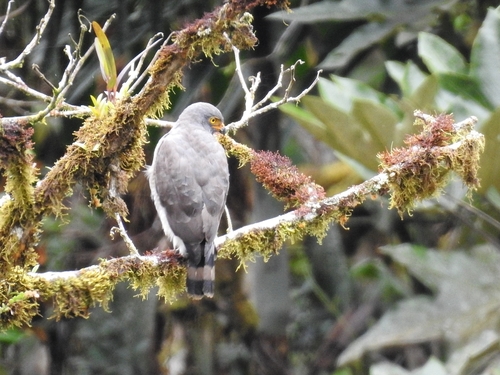 Roadside Hawk
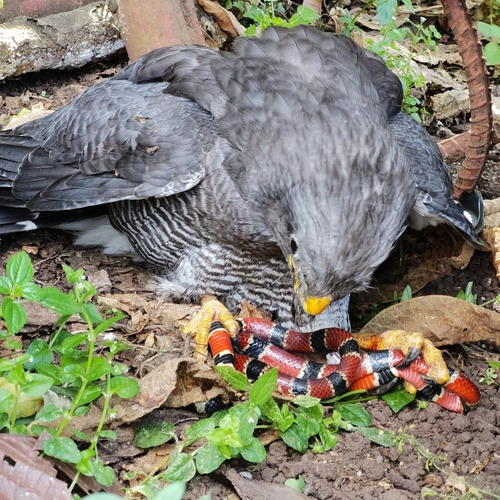 Gray Hawk
In breve
Il segno di campo più affidabile per separare il Roadside Hawk dal Gray Hawk è il motivo delle parti inferiori: i Roadside Hawks adulti mostrano barre marroni e bianche sotto, mentre i Gray Hawks adulti sono lisci, di un grigio pallido con poche o nessuna barra. Tuttavia, i Gray Hawks juvenili sono striati o maculati nelle parti inferiori e hanno strisce facciali audaci e copritrici superiori della coda bianche, a differenza di qualsiasi Roadside Hawk. In volo, i Roadside Hawks mostrano una coda relativamente lunga e ali corte e arrotondate, spesso con una sfumatura ruggine sulle ali, mentre i Gray Hawks sono più grandi, con code più lunghe, e gli adulti appaiono più uniformemente grigi pallidi sopra e sotto. Entrambe le specie hanno code a bande, ma il motivo e il numero di bande differiscono. Anche la struttura e la dimensione aiutano: il Gray Hawk è nettamente più grande e robusto, con gambe arancioni e un lato superiore grigio solido da adulto.
Consigli di identificazione
- Juvenile separation: I Gray Hawks juvenili hanno strisce facciali audaci e copritrici superiori della coda bianche—caratteristiche mai mostrate dal Roadside Hawk a qualsiasi età. Le loro parti inferiori sono striate o maculate, non barrate. I Roadside Hawks juvenili mancano di queste strisce facciali e copritrici bianche della coda, e mostrano barre marroni e bianche sotto.
- Adult underparts: I Roadside Hawks adulti mostrano sempre barre marroni e bianche sul petto inferiore e sull'addome, mentre i Gray Hawks adulti sono lisci, di un grigio pallido sotto con poche o nessuna barra.
- Tail pattern: La coda del Roadside Hawk ha quattro o cinque barre grigie, mentre la coda del Gray Hawk è nera con tre bande bianche (una più larga dell'altra) e punte bianche. I Gray Hawks juvenili hanno bande scure più numerose sulla coda.
- Upperparts: I Gray Hawks adulti sono grigi solidi e senza motivo sopra; i Roadside Hawks sono marroni o grigi sopra, a volte con una sfumatura ruggine sulle ali (soprattutto in volo). I Gray Hawks juvenili sono di un marrone scuro sopra, a differenza di qualsiasi Roadside Hawk.
- Wing and tail structure: Il Roadside Hawk ha una coda relativamente lunga e ali corte e arrotondate, conferendogli un aspetto compatto e con ali tozze in volo. Il Gray Hawk è più grande, con una coda più lunga, ed è anche con ali corte per un Buteo, ma appare più robusto e sostanziale.
- Rufous on wings: Una sfumatura di ruggine sulle ali, soprattutto visibile in volo, è tipica del Roadside Hawk e non mostrata dal Gray Hawk.
- Leg color: Entrambe le specie hanno gambe gialle da adulte, ma quelle del Gray Hawk possono apparire più arancioni.
- Beak size: Il Roadside Hawk ha un becco relativamente grande per le sue dimensioni, che può essere evidente da vicino.
- Eye color: I Roadside Hawks adulti hanno occhi biancastri o gialli; il colore degli occhi non è specificato per il Gray Hawk, quindi non è un segno di campo primario.
- Size: Il Gray Hawk è molto più grande e pesante del Roadside Hawk. Se vedi entrambi insieme, la differenza è ovvia; altrimenti, usa la struttura e la robustezza come indizi di supporto.
- Vocalizations: Il Roadside Hawk emette un richiamo acuto e stridulo; il Gray Hawk emette un 'kleee-ooo' acuto e fischiato. Ascolta questi suoni se l'uccello sta chiamando.
- Habitat and abundance: Il Roadside Hawk è spesso il rapace piccolo predefinito in gran parte del suo areale, soprattutto vicino a strade e aree aperte. Il Gray Hawk è più ristretto e meno probabile da vedere in ambienti urbani o suburbani.
- Flight style: Il Roadside Hawk vola frequentemente ma non sospende; il Gray Hawk è noto per il volo veloce e agile e spesso si posiziona in alto prima di tuffarsi sulla preda.
- Pitfalls: Fai attenzione alla vasta variazione del piumaggio nelle sottospecie di Roadside Hawk, che a volte possono avvicinarsi alle tonalità grigie del Gray Hawk, ma le barre delle parti inferiori e la mancanza di un lato superiore grigio solido rimangono affidabili. I Gray Hawks juvenili sono i più probabili da confondere con il Roadside Hawk, ma le strisce facciali e le copritrici superiori della coda bianche sono indizi forti.
- Sex and season: I sessi sono simili in entrambe le specie; le differenze nel piumaggio sono principalmente legate all'età, non stagionali o sessuali.
Taglia
Il Gray Hawk è significativamente più grande del Roadside Hawk: i Gray Hawks adulti misurano 46–61 cm di lunghezza e pesano circa 475 g, mentre i Roadside Hawks sono 31–41 cm e 250–300 g. Questa differenza di dimensione è solitamente ovvia sul campo, con il Gray Hawk che appare più robusto e con una coda più lunga. Entrambe le specie hanno ali corte per i Buteos, ma il Roadside Hawk è notevolmente più piccolo e compatto, con un becco relativamente grande per le sue dimensioni. I sessi sono simili in entrambi, anche se le femmine di Roadside Hawk sono circa il 20% più grandi dei maschi.
Piumaggio
I Gray Hawks juvenili sono i più facili da separare dai Roadside Hawks: i giovani Gray Hawks hanno un lato superiore marrone scuro, parti inferiori audacemente striate o maculate, strisce facciali evidenti e copritrici superiori della coda bianche. Le loro code mostrano bande scure multiple. I Roadside Hawks juvenili, al contrario, non hanno strisce facciali così audaci o copritrici superiori della coda bianche, e le loro parti inferiori sono barrate piuttosto che striate o maculate. I Roadside Hawks adulti sono variabili (marroni o grigi sopra a seconda della sottospecie), ma mostrano sempre barre marroni e bianche sul petto inferiore e sulle parti inferiori, e una coda con quattro o cinque barre grigie. I Gray Hawks adulti sono lisci, di un grigio pallido sopra e sotto, con una coda nera che presenta tre bande bianche (una più larga dell'altra), e punte bianche sulle penne della coda. I Roadside Hawks mostrano spesso una sfumatura di ruggine sulle ali, soprattutto in volo, che è assente nel Gray Hawk. Entrambe le specie hanno gambe gialle da adulte, ma quelle del Gray Hawk possono apparire arancioni. Il colore degli occhi è biancastro o giallo nel Roadside Hawk adulto; non specificato per il Gray Hawk. Il becco del Roadside Hawk è relativamente grande per le sue dimensioni.
Comportamento
Il Roadside Hawk è spesso il rapace più comune nel suo areale ed è frequentemente visto volare o posato in modo evidente, soprattutto vicino a strade e aree aperte. Vola spesso ma non sospende. Il Gray Hawk si posiziona tipicamente in alto sugli alberi ai margini delle foreste o in campagna aperta, scrutando la preda, ed è noto per il suo volo veloce e agile. Entrambe le specie cacciano principalmente piccoli vertebrati, ma il Roadside Hawk è meno probabile che catturi uccelli e più probabile che catturi insetti e piccoli mammiferi. Il Gray Hawk spesso si tuffa da un posatoio o plana basso per catturare la preda, specialmente lucertole e serpenti.
Habitat
Entrambe le specie si trovano in campagna aperta e ai margini delle foreste, ma il Roadside Hawk è spesso più abbondante e diffuso nel suo areale, frequentemente visto vicino a insediamenti umani e lungo le strade. Il Gray Hawk si trova dalla Costa Rica a nord fino nel sud-ovest degli Stati Uniti, preferendo la campagna aperta e i margini delle foreste, ma è generalmente meno comune e più localizzato rispetto al Roadside Hawk. Il Roadside Hawk è spesso il rapace piccolo predefinito in gran parte del suo areale, mentre il Gray Hawk è più ristretto nella distribuzione.
Voce
Il Roadside Hawk emette un fischio molto acuto e penetrante, mentre il richiamo del Gray Hawk è un 'kleee-ooo' acuto e fischiato. Entrambi sono vocali, ma il tono e la struttura dei richiami sono abbastanza diversi; quello del Roadside Hawk è più stridulo e acuto, mentre quello del Gray Hawk è più simile a un fischio.