

Scaly-naped Pigeon vs Common Ground Dove
Patagioenas squamosa contro Columbina passerina
Fai un quiz con Scaly-naped Pigeon e Common Ground Dove
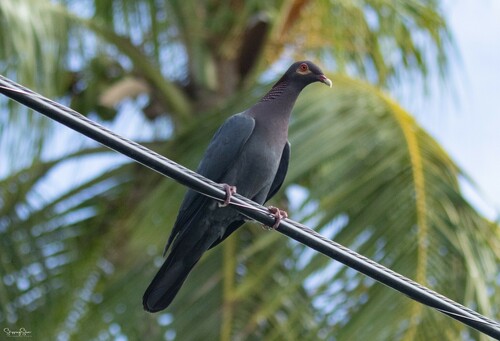 Scaly-naped Pigeon
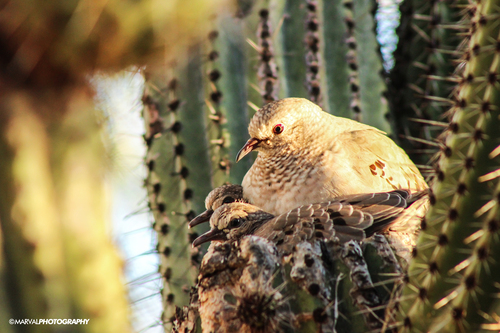 Common Ground Dove
In breve
Il segno di campo più affidabile tra Scaly-naped Pigeon e Common Ground Dove è la dimensione e la struttura complessiva: Scaly-naped Pigeon è un piccione massiccio e pesante con un collo grigio ardesia e marrone, mentre Common Ground Dove è piccolo, con una coda corta e di colore bruno, con castano visibile nelle ali in volo. Se vedi una colomba con un nape squamoso e pelle nuda rossa attorno all'occhio, è Scaly-naped; se vedi un piccolo uccello che cerca cibo a terra con una testa squamosa e riflessi castani nelle ali in volo, è Common Ground Dove. Le Common Ground Doves immature e adulte mostrano entrambe primarie castane in volo, cosa che Scaly-naped non mostra mai. Il colore del becco, la lunghezza della coda e il comportamento (arboreo vs terrestre) sono anche indizi forti.
Consigli di identificazione
- La dimensione è il separatore più veloce: Scaly-naped Pigeon è enorme (dimensione piccione), Common Ground Dove è piccola (dimensione passero). Se non sei sicuro, confronta con colombe o uccelli comuni nelle vicinanze per avere un'idea della scala.
- Schema di volo e colore delle ali: In volo, Common Ground Dove di tutte le età mostra primarie castane e bordi delle ali—cerca un lampo di ruggine nelle ali. Scaly-naped Pigeon non mostra mai castano nell'ala.
- Forma e lunghezza della coda: Scaly-naped Pigeon ha una coda lunga, mentre la coda di Common Ground Dove è molto corta e si estende appena oltre il corpo.
- Colore del becco: Scaly-naped Pigeon ha una base rossa nel becco con una punta chiara; Common Ground Dove ha un becco giallo con una punta nera.
- Pelle attorno all'occhio: Scaly-naped Pigeon ha una macchia nuda di pelle attorno all'occhio (rossa nei maschi, giallastra nelle femmine); Common Ground Dove non ha questa caratteristica.
- Schema di testa e collo: Scaly-naped Pigeon ha un nape dall'aspetto squamoso e un collo marrone; Common Ground Dove ha un motivo squamoso sulla testa e sul petto superiore, ma non sul nape.
- Colore delle gambe: Scaly-naped Pigeon ha gambe rosse; il colore delle gambe di Common Ground Dove non è distintivo nelle note.
- Postura in perching: Scaly-naped Pigeon si posiziona eretto sugli alberi, spesso in alto; Common Ground Dove è quasi sempre a terra, accovacciata e camminando.
- Colore del piumaggio: Scaly-naped Pigeon è grigio ardesia con marrone; Common Ground Dove è marrone sopra, con un viso rosato e una testa squamosa.
- Dimorfismo sessuale: I maschi di Common Ground Dove hanno una corona grigio ardesia e un ventre rosa-grigio; le femmine sono più grigie e più uniformi. Scaly-naped Pigeon mostra sottili differenze sessuali solo nel colore della pelle nuda attorno all'occhio.
- Contesto dell'habitat: Se visto nella chioma della foresta o a nutrirsi sugli alberi, è quasi certamente Scaly-naped; se a terra aperta, probabilmente è Common Ground Dove.
- Vocalizzazione: Se senti un richiamo morbido e crescente 'whoop', è Common Ground Dove; il richiamo di Scaly-naped Pigeon non è descritto qui.
- Dimensione del gruppo: Scaly-naped Pigeon è di solito solo o in piccoli gruppi; Common Ground Dove può essere in coppie o piccoli stormi a terra.
- Comportamento quando spaventato: Scaly-naped Pigeon si alza potentemente sugli alberi; Common Ground Dove vola basso e torna rapidamente a terra.
- Trappole: Le Common Ground Doves immature potrebbero sembrare opache e con testa squamosa, ma mostreranno sempre castano nell'ala in volo. Scaly-naped Pigeon non mostra mai questo, indipendentemente dall'età.
Taglia
La dimensione è il separatore più immediato: Scaly-naped Pigeon è un grande piccione, che pesa circa 312 g e misura 14–16 pollici di lunghezza, rendendolo diverse volte più grande di Common Ground Dove. Common Ground Dove è la più piccola colomba negli Stati Uniti, lunga solo 15–18 cm (5.9–7.1 in) e pesante 26–40 g. Sul campo, Scaly-naped Pigeon appare ingombrante e con coda lunga, mentre Common Ground Dove è piccola, compatta e con coda corta, spesso descritta come 'dimensione passero.' Anche a distanza, il divario di dimensione è inconfondibile.
Piumaggio
-
Giovanile/immaturo/marcature di volo: Common Ground Dove di tutte le età mostra primarie castane e bordi delle ali in volo, una caratteristica unica non trovata in Scaly-naped Pigeon. Scaly-naped Pigeon in tutte le età manca di castano nell'ala e invece è uniformemente grigio ardesia con collo marrone.
-
Piumaggio adulto: Scaly-naped Pigeon è grigio ardesia nel complesso con un collo marrone e un distintivo motivo squamoso sul nape. Ha una macchia nuda rossa attorno all'occhio (più rossastra nei maschi, più gialla nelle femmine), e gambe rosse e base del becco rossa. Common Ground Dove è marrone sopra, con un aspetto squamoso sulla testa e sul petto superiore, e una coda molto corta. Il suo becco è giallo con una punta nera, e il viso è rosato. I maschi hanno una corona grigio ardesia e un ventre rosa-grigio, mentre le femmine sono più grigie e di colore più uniforme. Le ali sono marroni con macchie nere quando sono posate, ma in volo, le primarie castane sono diagnostiche.
Comportamento
Scaly-naped Pigeon è tipicamente visto posato sugli alberi o a nutrirsi di frutta nella chioma, spesso solo o in piccoli gruppi, ed è diffidente—pronto a volare via se disturbato. Common Ground Dove è quasi sempre vista a terra, camminando o nutrendosi in aree aperte, e vola solo quando si avvicina troppo. Il suo volo è basso e diretto, tornando rapidamente a terra. Se vedi un uccello delle dimensioni di un piccione su un albero, è quasi certamente Scaly-naped; una piccola colomba che cammina su terreno aperto è Common Ground Dove.
Habitat
Entrambe le specie si trovano nei Caraibi, ma i loro habitat preferiti differiscono. Scaly-naped Pigeon si trova più spesso in foreste pluviali e aree boschive, a volte vicino a insediamenti umani, ed è generalmente associato agli alberi. Common Ground Dove preferisce aree aperte e secche, campi, bordi stradali e cespugli, ed è raramente trovata in foreste dense. Nelle zone di sovrapposizione, il contesto dell'habitat può aiutare: un grande piccione nella chioma è Scaly-naped, una piccola colomba a terra aperta è Common Ground Dove.
Voce
Common Ground Dove emette un richiamo morbido e ripetitivo 'whoop' che aumenta di tono ed è abbastanza distintivo. Le vocalizzazioni di Scaly-naped Pigeon non sono descritte nelle note fornite, quindi la voce è solo diagnostica per Common Ground Dove: se senti il richiamo 'whoop', non è Scaly-naped.
Scaly-naped Pigeon · Common Ground Dove · I miei uccelli difficili