

Watercock vs White-breasted Waterhen
Gallicrex cinerea contro Amaurornis phoenicurus
Fai un quiz con Watercock e White-breasted Waterhen
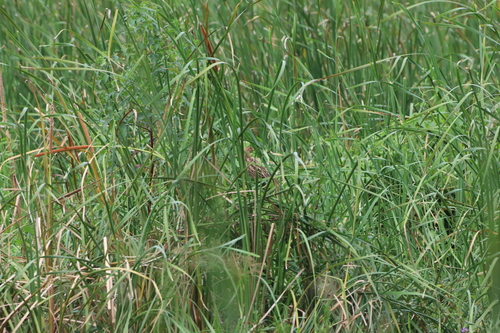 Watercock
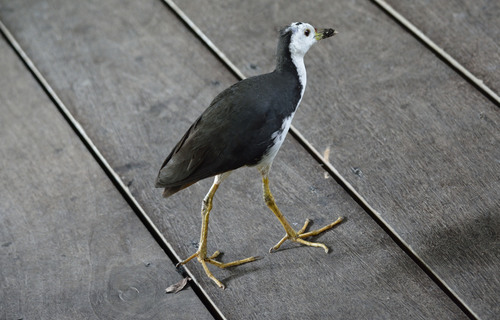 White-breasted Waterhen
In breve
Il segno distintivo più affidabile tra Watercock e White-breasted Waterhen è la presenza di un volto, collo e petto bianchi e puliti nell'adulto White-breasted Waterhen, che non è mai mostrato da Watercock a nessuna età. I maschi di Watercock sono più grandi, più scuri e hanno un becco rosso distintivo e uno scudo frontale in abito nuziale, mentre le femmine e gli immaturi sono striati di marrone e mancano di bianco sotto. Entrambe le specie sono rall con corpi compressi lateralmente e lunghe dita, ma Watercock è più massiccio e più riservato, mentre White-breasted Waterhen è più audace e spesso visto in aperto con la coda sollevata. Gli uccelli giovanili e immaturi di entrambe le specie sono più opachi, ma il Waterhen mostra sempre del bianco sul volto e sulle parti inferiori, cosa che Watercock non fa mai.
Consigli di identificazione
- Volto, collo e petto bianchi: Solo il White-breasted Waterhen mostra un volto e parti inferiori bianchi e puliti a tutte le età; Watercock non lo fa mai. Questo è il segno distintivo più affidabile.
- Colore del becco e dello scudo (maschi adulti): Il maschio di Watercock in riproduzione ha un becco rosso brillante, uno scudo frontale e un corno, che non si vedono mai nel Waterhen. La femmina di Watercock e tutti i Waterhens hanno becchi gialli.
- Colore delle gambe: I maschi di Watercock hanno gambe rosse; le femmine e gli immaturi hanno gambe verdi. Il White-breasted Waterhen ha gambe gialle negli adulti.
- Forma e dimensione del corpo: Watercock è più grande, più massiccio e più compresso lateralmente, specialmente nei maschi. Waterhen è più piccolo, più snello e più compatto.
- Piumaggio (femmina/immaturo Watercock): La femmina e l'immaturo di Watercock sono marroni scure sopra, più chiare e striate sotto, senza bianco sul volto o sul petto. Questo può essere confuso con gli immaturi di Waterhen più opachi, ma questi ultimi mostrano sempre del bianco sul volto e sulle parti inferiori.
- Piumaggio (Waterhen adulto): Mostra sempre un forte contrasto tra le parti superiori scure e le parti inferiori bianche; la pancia inferiore e il sottocoda possono essere cannella o bianchi.
- Postura della coda: Il White-breasted Waterhen spesso cammina con la coda sollevata e la muove mentre si sposta; Watercock non mostra questo comportamento in modo così evidente.
- Apertura dell'habitat: Waterhen è più probabile che venga visto in zone umide aperte, disturbate o urbane, anche vicino a strade. Watercock è più riservato e preferisce canneti densi.
- Comportamento: Waterhen è più audace, spesso visto cercare cibo in aperto o arrampicarsi su vegetazione bassa. Watercock è timido e di solito rimane nascosto.
- Vocalizzazioni: Il richiamo di Watercock è un forte suono di inghiottimento, principalmente all'alba e al tramonto. Il richiamo di Waterhen è aspro, a volte ruggente, e spesso ripetuto, a volte descritto come 'ruak-ruak.'
- Dimorfismo sessuale: Watercock mostra un forte dimorfismo sessuale (maschi più grandi, più scuri, con becco/scudo rosso), mentre i sessi di Waterhen sono simili.
- Confusione giovanile: Entrambe le specie hanno pulcini neri, ma con l'età, i pulcini di Waterhen sviluppano sempre del bianco sul volto e sul petto, mentre i pulcini di Watercock rimangono color paglia o marrone e non mostrano mai bianco sotto.
- In volo: Non si nota un modello distintivo delle ali superiori per nessuna delle due specie, ma Waterhen può mostrare contrasto tra le parti superiori scure e le parti inferiori bianche in volo, mentre Watercock appare uniformemente scuro o marrone a seconda dell'età/sesso.
- Contesto: Se visto con pulcini, nota il colore dei pulcini (entrambi neri) ma cerca l'associazione con gli adulti; gli adulti di Waterhen mostreranno sempre bianco sotto, gli adulti di Watercock no.
- Stagione e sesso: Il maschio di Watercock in riproduzione è inconfondibile con il suo becco/scudo rosso e il piumaggio scuro. Watercock non in riproduzione, femminile e immaturo sono più facilmente confusi con Waterhen, ma la mancanza di bianco sul volto/petto rimane diagnostica.
Taglia
Watercock è la specie più grande e pesante, con i maschi adulti che raggiungono fino a 43 cm di lunghezza e pesano 476–650 g, e le femmine 36 cm e 298–434 g. La massa corporea media è di circa 403 g. Al contrario, il White-breasted Waterhen è più piccolo e più leggero in generale (massa precisa non fornita, ma costantemente descritto come più piccolo di Watercock). Watercock appare più massiccio e robusto, specialmente nei maschi, mentre Waterhen è più snello e compatto.
Piumaggio
- Giovanili e immaturi: Entrambe le specie hanno pulcini neri, ma con l'età, gli immaturi di Watercock sono color paglia, scurendosi con l'età, e mancano di qualsiasi bianco sul volto o sulle parti inferiori. Gli immaturi di White-breasted Waterhen sono più opachi degli adulti ma mostrano sempre un volto, collo e petto bianchi, anche se meno nitidi rispetto agli adulti.
- Maschi adulti Watercock: Striking black-grey overall with a vivid red bill, frontal shield, and horn; no white on face or underparts. Legs are red.
- Femmine adulte Watercock: Più piccole, marroni scure sopra, più chiare sotto, con piumaggio striato e barrato; becco giallo e gambe verdi. Nessun volto o petto bianchi.
- Adulto White-breasted Waterhen: Parti superiori e fianchi grigio scuro, con un volto, collo e petto bianchi e puliti. La pancia inferiore e il sottocoda sono cannella o bianchi. Becco e gambe sono gialli. I sessi sono simili.
- Contrasto chiave: Solo il White-breasted Waterhen, a tutte le età, mostra un volto e un petto bianchi. Watercock non mostra mai bianco in queste aree.
Comportamento
Il White-breasted Waterhen è notevolmente più audace e più probabile da vedere in aperto, spesso camminando lentamente con la coda sollevata e cercando cibo lungo il bordo dei corpi idrici, a volte anche vicino all'abitazione umana. Watercock è molto più riservato, di solito rimane nascosto in canneti densi o sottobosco, ma può occasionalmente avventurarsi in aperto. Entrambe le specie cercano cibo sondando il fango o l'acqua poco profonda, ma Waterhen è più propenso ad arrampicarsi su vegetazione bassa e mostrare la sua coda. Il corpo di Watercock è più compresso lateralmente, facilitando il movimento attraverso la copertura densa.
Habitat
Entrambe le specie si trovano in paludi e habitat umidi in tutta l'Asia meridionale e sudorientale. Il White-breasted Waterhen è più adattabile e frequentemente visto in paludi aperte, drenaggi e anche vicino a strade, a volte a elevazioni più alte. Watercock preferisce canneti densi ed è meno probabile da vedere in aree aperte o disturbate. Se l'uccello è visto in una zona umida molto aperta, disturbata o urbana, è più probabile che sia Waterhen.
Voce
Watercock ha un forte richiamo di inghiottimento, specialmente all'alba e al tramonto, che può essere piuttosto distintivo ma è raramente udito a meno che l'uccello non sia vicino. Anche il White-breasted Waterhen è rumoroso, con un richiamo aspro, a volte ruggente, seguito da note chiare ripetute, spesso descritte come onomatopeiche (ruak-ruak, ecc.). Entrambi possono essere piuttosto vocali, ma il richiamo di Waterhen è più probabile da sentire in aree aperte ed è spesso descritto con nomi locali.
Watercock · White-breasted Waterhen · I miei uccelli difficili