

White-throated Blue Swallow vs European/African/Eastern Red-rumped Swallow
Hirundo nigrita contro Cecropis daurica
Fai un quiz con White-throated Blue Swallow e European/African/Eastern Red-rumped Swallow
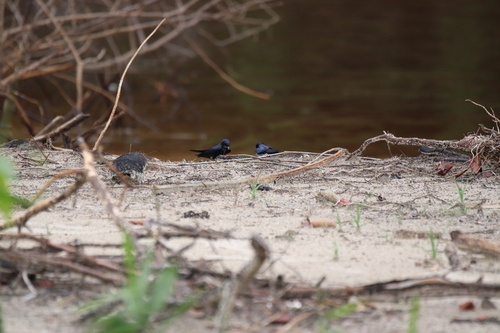 White-throated Blue Swallow
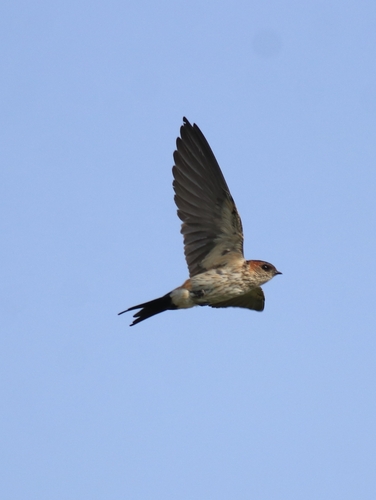 European/African/Eastern Red-rumped Swallow
In breve
Il segno distintivo più affidabile per separare queste due rondini è la presenza di un ricco groppone castano o rossastro (e spesso di un collare) sulla European/African/Eastern European/African/Eastern European/African/Eastern Red-rumped Swallow, che è completamente assente nella White-throated Blue Swallow. Le juvenile European/African/Eastern Red-rumped Swallows sono più opache e marroni, ma mostrano comunque un groppone chiaro o castano, mentre la White-throated Blue Swallow è sempre di un blu scuro lucido sopra (a volte appare nera da lontano) con una gola bianca netta e senza ruggine ovunque. In volo, la coda profondamente biforcuta della European/African/Eastern European/African/Eastern European/African/Eastern Red-rumped Swallow e il groppone chiaro sono distintivi, mentre la White-throated Blue Swallow è più uniformemente scura con un bavaglino bianco. L'habitat aiuta anche: la White-throated Blue Swallow è legata ai fiumi e ai torrenti delle foreste pluviali in Africa, mentre la European/African/Eastern European/African/Eastern European/African/Eastern Red-rumped Swallow preferisce aree aperte, collinari o coltivate in Asia. Entrambe sono simili in dimensioni e struttura, quindi concentrati sul colore del groppone e sul motivo della gola per la separazione più rapida.
Consigli di identificazione
- Rump color is key: La European/African/Eastern European/African/Eastern European/African/Eastern Red-rumped Swallow mostra sempre un groppone castano o rossastro (a volte striato o più chiaro in alcune sottospecie/età), visibile sia in perching che in volo. La White-throated Blue Swallow non mostra mai ruggine o castano sul groppone—sempre blu scuro lucido o nerastro.
- Throat and bib: La White-throated Blue Swallow ha una gola e un bavaglino bianchi netti e puliti, in netto contrasto con le parti superiori blu scuro. La European/African/Eastern European/African/Eastern European/African/Eastern Red-rumped Swallow ha un volto e parti inferiori bianchi, ma questi sono pesantemente striati con linee scure e mancano di un bavaglino bianco ben definito.
- Tail shape: La European/African/Eastern European/African/Eastern European/African/Eastern Red-rumped Swallow ha una coda profondamente biforcuta con lunghe piume esterne (più corte nei giovani), mentre la coda della White-throated Blue Swallow è anch'essa biforcuta ma non così profondamente, e manca delle stesse lunghe streamers.
- Underpart streaking: La European/African/Eastern European/African/Eastern European/African/Eastern Red-rumped Swallow mostra pesanti striature scure sulle parti inferiori bianche, specialmente sul petto e sui fianchi. Le parti inferiori della White-throated Blue Swallow sono bianche pulite (almeno sulla gola e sul bavaglino), senza striature.
- Upperpart gloss: La White-throated Blue Swallow è blu scuro lucido sopra, a volte appare nera da lontano. La European/African/Eastern European/African/Eastern European/African/Eastern Red-rumped Swallow è blu sopra ma con un groppone rugginoso contrastante e a volte un collare rugginoso.
- Juvenile confusion: Le juvenile European/African/Eastern Red-rumped Swallows sono più opache e marroni, con un groppone più chiaro e una coda più corta, ma mostrano comunque un po' di chiaro o castano sul groppone. La juvenile White-throated Blue Swallow non è descritta in dettaglio, ma tutte le età mancano di ruggine sul groppone.
- Flight views: In volo, cerca il groppone chiaro o castano della European/African/Eastern European/African/Eastern European/African/Eastern Red-rumped Swallow e la lunga coda biforcuta. La White-throated Blue Swallow appare più uniformemente scura sopra, con una macchia bianca sulla gola visibile da sotto.
- Habitat context: Se sei vicino a torrenti o fiumi delle foreste pluviali in Africa, la White-throated Blue Swallow è possibile. In paesaggi asiatici aperti, collinari o coltivati, la European/African/Eastern European/African/Eastern European/African/Eastern Red-rumped Swallow è molto più probabile.
- Geographic range: La European/African/Eastern European/African/Eastern European/African/Eastern Red-rumped Swallow si trova in Asia (dall'India a Taiwan), mentre la White-throated Blue Swallow è ristretta alla zona della foresta pluviale tropicale africana.
- Perched posture: Entrambe le specie possono posarsi su fili o rami, ma la European/African/Eastern European/African/Eastern European/African/Eastern Red-rumped Swallow mostra spesso il suo groppone rugginoso e le parti inferiori striate quando è posata, mentre la White-throated Blue Swallow mostra una gola bianca pulita e parti superiori blu lucido.
- No rufous anywhere: Se vedi ruggine o castano sul groppone o sul collare, escludi la White-throated Blue Swallow.
- No heavy streaking: Se le parti inferiori sono pesantemente striate, è una European/African/Eastern European/African/Eastern European/African/Eastern Red-rumped Swallow; la White-throated Blue Swallow è pulita sotto (almeno sulla gola e sul bavaglino).
- No voice cues provided: Le vocalizzazioni non sono descritte nelle note, quindi non fare affidamento su richiami o canti per la separazione.
- Sexes similar: Entrambe le specie hanno piumaggio simile in entrambi i sessi, quindi il sesso non è un segno utile sul campo.
- Seasonal movement: La White-throated Blue Swallow è generalmente residente; la European/African/Eastern European/African/Eastern European/African/Eastern Red-rumped Swallow può essere migratoria o migrante locale, ma questo non è un segno primario sul campo.
Taglia
Entrambe le specie sono simili in dimensioni e struttura complessiva, tipiche delle rondini di dimensioni medie. La European/African/Eastern European/African/Eastern European/African/Eastern Red-rumped Swallow è lunga circa 19 cm con una coda profondamente biforcuta, mentre la White-throated Blue Swallow è anch'essa di dimensioni medie, ma le misure precise non sono fornite nelle note. Non si notano differenze significative in dimensioni o massa che sarebbero utili per la separazione sul campo.
Piumaggio
- Juvenile/immature birds: Le juvenile European/African/Eastern Red-rumped Swallows sono più opache e marroni rispetto agli adulti, con un groppone più chiaro o castano e piume esterne della coda più corte, ma mantengono sempre un po' di chiaro o rugginoso sul groppone. Le juvenile White-throated Blue Swallows non sono descritte in dettaglio, ma tutte le età sono principalmente di un blu scuro lucido (a volte apparendo nere), con una gola bianca e senza toni rugginosi o castani ovunque.
- Adults: Le adulti European/African/Eastern Red-rumped Swallows hanno parti superiori blu con un distintivo groppone rossastro (castano) e a volte un collare rossastro, parti inferiori bianche pesantemente striate di scuro, e una coda profondamente biforcuta. La White-throated Blue Swallow è blu scuro lucido sopra, con una gola e un bavaglino bianchi netti, e senza ruggine o castano sul groppone o sul collare. Le sue parti inferiori non sono striate. In volo, il groppone chiaro della European/African/Eastern European/African/Eastern European/African/Eastern Red-rumped Swallow e la coda biforcuta sono prominenti, mentre la White-throated Blue Swallow appare più uniformemente scura con una macchia bianca sulla gola.
Comportamento
Entrambe le specie sono insettivori aerei con un volo tipico delle rondini, ma la White-throated Blue Swallow è generalmente residente e legata ai corsi d'acqua nella foresta pluviale, mentre la European/African/Eastern European/African/Eastern European/African/Eastern Red-rumped Swallow è più migratoria e spesso vista in campagna aperta, a volte posata su fili o rami esposti. La European/African/Eastern European/African/Eastern European/African/Eastern Red-rumped Swallow può essere vista in piccoli gruppi, specialmente al di fuori della stagione riproduttiva. Non sono descritte differenze comportamentali significative che sarebbero diagnostiche sul campo oltre al contesto dell'habitat.
Habitat
L'habitat è un forte indizio di supporto: la White-throated Blue Swallow si trova tutto l'anno vicino a fiumi tropicali, laghi e torrenti delle foreste pluviali nella foresta pluviale tropicale africana (incluso il Dahomey Gap), ed è generalmente poco comune. La European/African/Eastern European/African/Eastern European/African/Eastern Red-rumped Swallow si trova in aree aperte, spesso collinari, con radure e coltivazioni in tutta l'Asia orientale e sudorientale fino all'India nordorientale e a Taiwan. Se sei in una densa foresta pluviale africana vicino all'acqua, la White-throated Blue Swallow è possibile; in campagna asiatica aperta, la European/African/Eastern European/African/Eastern European/African/Eastern Red-rumped Swallow è molto più probabile.
White-throated Blue Swallow · European/African/Eastern Red-rumped Swallow · I miei uccelli difficili