
Motmot

ズグロアメリカムシクイ 対 ヤシアメリカムシクイ

Setophaga striata 対 Setophaga palmarum

ズグロアメリカムシクイとヤシアメリカムシクイのクイズ
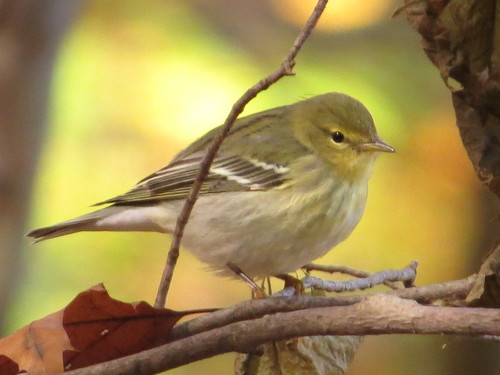
ズグロアメリカムシクイ (Setophaga striata) ズグロアメリカムシクイ
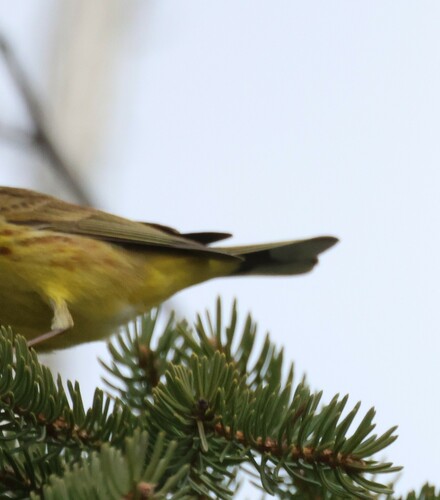
ヤシアメリカムシクイ (Setophaga palmarum) ヤシアメリカムシクイ

メディア

読み込み中…

要点

ブラックポールアメリカムシクイとヤシアメリカムシクイを区別する最も信頼できるフィールドマークは、繁殖期のオスのブラックポールアメリカムシクイに見られる大胆な黒い帽子と鮮明な白い頬の存在です。一方、ヤシアメリカムシクイは常に尾を上下に動かし、下半身は黄色がかっています。非繁殖期や未成熟の羽毛では、両者ともオリーブ色や黄色がかったトーンと翼帯を示すことがあり、特に秋には区別が難しくなります。しかし、ヤシアメリカムシクイの持続的な尾の動きと強い頭のパターンがないこと、脚の色や下半身の縞模様の違いが重要です。構造とサイズは非常に似ているため、最も信頼できる区別のためには行動と頭/顔のパターンに注目してください。

識別のコツ

  1. Tail bobbing: ヤシアメリカムシクイは常に尾を上下に動かし、止まっている時や地面で餌を探している時でもそうです。ブラックポールアメリカムシクイはこれを決してしません。これはすべての季節と年齢において最も信頼できる行動マークです。
  2. Head pattern (breeding males): ブラックポールアメリカムシクイは大胆な黒い帽子と鮮明な白い頬を示します。ヤシアメリカムシクイは強い頭のパターンがなく、代わりに淡い顔と微かな眉斑を示します。これは春/夏の成鳥オスの診断的特徴です。
  3. Leg color: ブラックポールアメリカムシクイは明るいオレンジがかったピンクの脚を持ち、鈍い羽毛でも見えます。ヤシアメリカムシクイの脚は常に暗いです。このマークは脚が見える場合、すべての年齢と季節で機能します。
  4. Underpart color (fall/winter/immature): ヤシアメリカムシクイは常に黄色の尾羽覆いを示し、通常は下半身に黄色の洗いがかかります。特に東部亜種ではそうです。ブラックポールアメリカムシクイは非繁殖羽毛で黄色がかったトーンを示すことがありますが、ヤシアメリカムシクイほど明るく広範囲にはなりませんし、尾羽はそれほど強い黄色ではありません。
  5. Underpart streaking: ブラックポールアメリカムシクイ(すべての年齢)は繁殖羽毛で白い下半身に細かい黒い縞模様を示し、鈍い羽毛でも通常は縞模様が見られます。ヤシアメリカムシクイは縞模様のある側面を持っていますが、その縞模様は赤褐色(特に東部の個体)で、背景は黄色であり、白ではありません。
  6. Wing bars: 両種はすべての羽毛で2本の白い翼帯を示すため、これでは区別には役立ちません。
  7. Face pattern (non-breeding/immature): ブラックポールアメリカムシクイはヤシアメリカムシクイの強い眉斑がなく、より対照的な顔を示すことがありますが、鈍い羽毛ではこれが微妙になることがあります。ヤシアメリカムシクイは微かながら通常は見える淡い眉があります。
  8. Foraging behavior: ヤシアメリカムシクイは地面で歩きながら尾を上下に動かしているのがよく見られます。ブラックポールアメリカムシクイはより樹上性で、特に移動中は木の高いところで餌を探します。
  9. Habitat in winter: 冬に南東部アメリカで見られた場合、ほぼ確実にヤシアメリカムシクイです。ブラックポールアメリカムシクイは南アメリカで冬を越し、その時期に北アメリカには存在しません。
  10. Migration timing: ヤシアメリカムシクイは早春の渡り鳥で、他のほとんどのムシクイよりも早く現れることがよくあります。ブラックポールアメリカムシクイは春の後半に渡り、到着する最後のムシクイの一つです。
  11. Bill and structure: 両種は似たような細長いくちばしと全体的な比率を持っています。構造は信頼できるフィールドマークではありません。
  12. Flight views (immature/fall): これらの種の間で特有の上翼や飛行パターンの違いは記載されていないため、飛行中に見られた場合は尾の上下動と下半身の色に注目してください。
  13. Vocalizations: もしバズ音のトリルが聞こえた場合、それはヤシアメリカムシクイを示します。ブラックポールアメリカムシクイの歌はこれらのメモには含まれていません。
  14. Subspecies confusion: 西部のヤシアメリカムシクイは鈍く茶色がかっており、秋のブラックポールアメリカムシクイに似ることがありますが、尾の上下動と黄色の尾羽覆いを示します。
  15. Quiz pitfalls: ほとんどの混同は鈍い秋や未成熟の鳥で発生します。最初のチェックとして、常に尾の上下動、脚の色、下羽の色を探してください。

大きさ

両種はサイズが似ており、Setophagaムシクイの典型的な範囲内に収まっています。ブラックポールアメリカムシクイは平均してやや重く(体重約12.3 g [wikidata])、長さは最大15 cm、翼幅は最大25 cm [wikipedia]に達することがあります。一方、ヤシアメリカムシクイはやや軽く(8.5–14.2 g)やや短い(長さ12–14 cm、翼幅20–21 cm)です [wikipedia]。これらの違いは微妙で、フィールドで診断的であることは稀なので、サイズだけに頼って区別するべきではありません。

羽色

繁殖羽毛では、成鳥のオスのブラックポールアメリカムシクイは非常に黒と白が際立っています。固体の黒い帽子、白い頬、2本の白い翼帯を持っています。メスは鈍いですが、淡い顔と翼帯を示し、強い黒い帽子は欠けています。秋と冬には、ブラックポールアメリカムシクイははるかに鈍くなり、緑がかった頭、オリーブ色の上半身に縞模様、黄色がかった下半身を持ち、しばしばヤシアメリカムシクイに似ます。幼鳥や初冬のブラックポールアメリカムシクイはさらに控えめですが、常に明白な翼帯を保持し、ヤシアメリカムシクイに典型的な明るい黄色の尾羽や持続的な黄色の洗いは決して示しません。ヤシアメリカムシクイは、両亜種ともに年間を通じて黄色の尾羽覆いを示し、特に「東部」型(hypochrysea)は下部が特に明るい黄色で、赤褐色の縞模様のある側面を持ち、「西部」型(palmarum)は鈍く茶色がかっています。両方の型は強い頭のパターンがなく、代わりに微かな眉斑と平坦な顔を示します。ヤシアメリカムシクイは常に尾を上下に動かし、これは独特の行動的手がかりです。脚の色も役立ちます:ブラックポールアメリカムシクイは明るいオレンジがかったピンクの脚を持ち、ヤシアメリカムシクイの脚は暗いです。

行動

ヤシアメリカムシクイはSetophagaムシクイの中で、地面でも木の中でも常に尾を上下に動かすことで独特です。これは非常に信頼できる行動的手がかりです。また、ブラックポールアメリカムシクイよりも地面で餌を探すことが多く、ブラックポールアメリカムシクイは移動中や繁殖中は樹冠の高いところに留まる傾向があります。ブラックポールアメリカムシクイは持続的な尾の動きを示しません。両種は移動中に見られることがありますが、ヤシアメリカムシクイの地面での餌探しと尾の上下動は特異です。

生息環境

移動中、両種は森林、エッジ、茂みのある地域など、さまざまな生息地で見られます。繁殖地では、ブラックポールアメリカムシクイは北部の針葉樹林を好み、ヤシアメリカムシクイは開放的な湿地や茂みのある地域で繁殖し、しばしば地面の近くにいます。冬には、ヤシアメリカムシクイは南東部アメリカの開放的な雑草の生えた野原、エッジ、さらには都市公園で見られる可能性が高く、ブラックポールアメリカムシクイは南アメリカで冬を越し、その時期に北アメリカには存在しません。

声

ヤシアメリカムシクイの歌は単調なバズ音のトリルで、呼び声は鋭い「チク」です。ブラックポールアメリカムシクイの声は提供されたメモには記載されていないため、声はヤシアメリカムシクイにのみ役立ちます。特にバズ音のトリルが聞こえた場合。しかし、両者は一般的に移動中は静かで、歌は繁殖期以外では主要なフィールドマークになることは稀です。

より良い説明を送る

比較と同じ項目を使ってください。文章はすぐに公開されます。

The most reliable field mark to separate Blackpoll Warbler from Palm Warbler is the presence of a bold black cap and crisp white cheeks on breeding male Blackpolls, versus the constant tail-bobbing behavior and yellowish underparts of Palm Warbler. In non-breeding and immature plumages, both can show olive or yellowish tones and wing bars, making them tricky to distinguish—especially in fall. However, Palm Warbler’s persistent tail wagging and lack of strong head pattern, along with differences in leg color and underpart streaking, are key. Structure and size are very similar, so focus on behavior and head/face pattern for the most reliable separation.

  1. Tail bobbing: Palm Warbler constantly bobs its tail, even when perched or foraging on the ground; Blackpoll Warbler never does this. This is the single most reliable behavioral mark in all seasons and ages.
  2. Head pattern (breeding males): Blackpoll Warbler shows a bold black cap and crisp white cheeks; Palm Warbler lacks any strong head pattern, instead showing a plain face with a faint supercilium. This is diagnostic for adult males in spring/summer.
  3. Leg color: Blackpoll Warbler has bright orangish-pink legs, visible even in duller plumages; Palm Warbler’s legs are always dark. This mark works in all ages and seasons if legs are visible.
  4. Underpart color (fall/winter/immature): Palm Warbler always shows yellow undertail coverts and usually a yellow wash to the underparts, especially in the eastern subspecies; Blackpoll Warbler in non-breeding plumage may show yellowish tones but never as bright or extensive as Palm Warbler, and the undertail is not as strongly yellow.
  5. Underpart streaking: Blackpoll Warbler (all ages) shows fine black streaks on white underparts in breeding plumage, and streaking is usually present even in duller plumages; Palm Warbler has streaked flanks but the streaks are rufous (especially in eastern birds) and the background is yellow, not white.
  6. Wing bars: Both species show two white wing bars in all plumages, so this is not helpful for separation.
  7. Face pattern (non-breeding/immature): Blackpoll Warbler lacks the strong supercilium of Palm Warbler and may show a more contrasting face, but in dull plumages this can be subtle. Palm Warbler has a faint but usually visible pale eyebrow.
  8. Foraging behavior: Palm Warbler is often seen on the ground, walking and tail-bobbing; Blackpoll Warbler is more arboreal, foraging higher in trees, especially during migration.
  9. Habitat in winter: If seen in the southeastern US in winter, it is almost certainly Palm Warbler; Blackpoll Warbler winters in South America and is absent from North America at that time.
  10. Migration timing: Palm Warbler is an early spring migrant, often appearing before most other warblers; Blackpoll Warbler migrates later in spring and is one of the last warblers to arrive.
  11. Bill and structure: Both species have similar slender bills and overall proportions; structure is not a reliable field mark.
  12. Flight views (immature/fall): No distinctive upperwing or flight pattern differences are described between these species, so focus on tail bobbing and underpart color if seen in flight.
  13. Vocalizations: If a buzzy trill is heard, it points to Palm Warbler; Blackpoll’s song is not covered in these notes.
  14. Subspecies confusion: Western Palm Warblers are duller and browner, which can resemble fall Blackpolls, but still show tail bobbing and yellow undertail coverts.
  15. Quiz pitfalls: Most mix-ups occur with dull fall or immature birds; always look for tail bobbing, leg color, and undertail color as your first checks.

Both species are similar in size, falling within the typical range for Setophaga warblers. Blackpoll Warbler averages slightly heavier (body mass ~12.3 g [wikidata]) and can reach up to 15 cm in length with a wingspan up to 25 cm [wikipedia], while Palm Warbler is a bit lighter (8.5–14.2 g) and slightly shorter (12–14 cm length, 20–21 cm wingspan) [wikipedia]. These differences are subtle and rarely diagnostic in the field, so size alone should not be relied upon to separate them.

In breeding plumage, adult male Blackpoll Warblers are strikingly black and white, with a solid black cap, white cheeks, and two white wing bars. Females are duller but still show a pale face and wing bars, lacking the strong black cap. In fall and winter, Blackpolls become much duller, with greenish heads, streaked olive upperparts, and yellowish-tinged underparts—often resembling Palm Warbler. Juvenile and first-winter Blackpolls are even more subdued, but always retain obvious wing bars and never show the bright yellow undertail or persistent yellow wash below typical of Palm Warbler. Palm Warbler, in both subspecies, shows yellow undertail coverts year-round, with the 'eastern' form (hypochrysea) especially bright yellow below and rufous-streaked flanks, while the 'western' form (palmarum) is duller and browner. Both forms lack a strong head pattern, instead showing a faint supercilium and a plain face. Palm Warbler always bobs its tail, a unique behavioral clue. Leg color is also helpful: Blackpoll Warbler has bright orangish-pink legs, while Palm Warbler’s legs are dark.

Palm Warbler is unique among Setophaga warblers for its constant tail bobbing, both on the ground and in trees, which is a highly reliable behavioral cue. It also forages on the ground more frequently than Blackpoll Warbler, which tends to stay higher in the canopy during migration and breeding. Blackpoll Warbler does not show persistent tail wagging. Both species may be seen during migration, but Palm Warbler’s ground-foraging and tail-wagging are distinctive.

During migration, both species can be found in a variety of habitats, including woodlands, edges, and shrubby areas. On breeding grounds, Blackpoll Warbler prefers northern coniferous forests, while Palm Warbler breeds in open bogs and shrubby areas, often near the ground. In winter, Palm Warbler is much more likely to be found in open, weedy fields, edges, and even urban parks in the southeastern US, while Blackpoll Warbler winters in South America and is not present in North America at that time.

Palm Warbler’s song is a monotonous buzzy trill, and its call is a sharp 'chek.' Blackpoll Warbler’s vocalizations are not described in the provided notes, so voice is only helpful for Palm Warbler, especially if the buzzy trill is heard. However, both are generally quiet during migration, and song is rarely a primary field mark outside the breeding season.

変更を破棄しますか?

保存していない編集があります。今離れると失われます。

ズグロアメリカムシクイ · ヤシアメリカムシクイ · 苦手な鳥