
Motmot

ニワムシクイ 対 シマムシクイ

Sylvia borin 対 Curruca nisoria

ニワムシクイとシマムシクイのクイズ
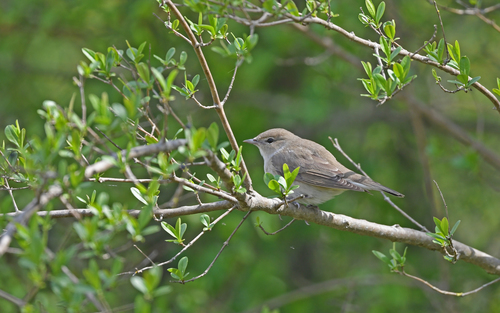
ニワムシクイ (Sylvia borin) ニワムシクイ
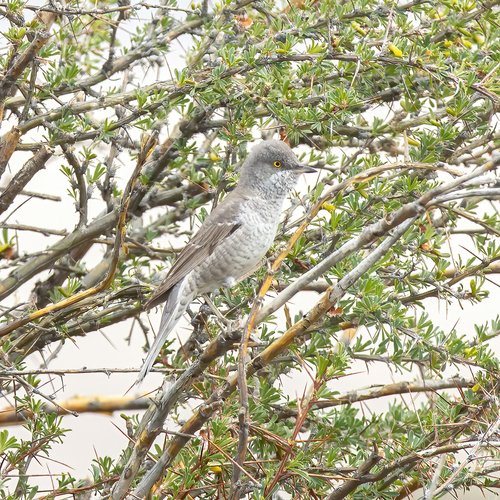
シマムシクイ (Curruca nisoria) シマムシクイ

メディア

読み込み中…

要点

幼鳥のシマムシクイとニワムシクイは特に秋に混同されやすいですが、シマムシクイの幼鳥は明らかに大きく、がっしりとした体型で、翼の羽毛に微妙な淡い縁取りがあり、尾羽の覆羽にかすかな縞模様が見られることが多いです—これらの特徴は、より地味で小型のニワムシクイには見られません。成鳥のシマムシクイは、下部に重い縞模様があり、黄色い虹彩を持つため、間違えることはありませんが、年齢に関係なくニワムシクイは常に地味で、翼や尾の模様がありません。フィールドでは、サイズと構造(シマムシクイははるかに大きくて頑丈です)が、特に羽毛が曖昧なときに最も信頼できる手がかりとなります。両種は全体的にかなり地味ですが、幼鳥の微妙な翼や尾のパターン、成鳥の全体的な印象や虹彩の色に注意を払うことで、通常は識別が可能です。

識別のコツ

  1. サイズと構造: シマムシクイはニワムシクイよりもはるかに大きく、がっしりとした体型を持ち、より重いくちばしと頑丈な体つきをしています。特にスケール感がある場合は、これを最初のチェックとして使用してください。
  2. 幼鳥の翼と尾のパターン: 幼鳥のシマムシクイは尾羽の覆羽にかすかな縞模様と翼の羽毛に淡い縁取りを示すことがありますが、ニワムシクイの幼鳥は完全に地味で、これらの特徴がありません。秋の鳥でこれらの微妙なマークを探してください。
  3. 成鳥の縞模様: 成鳥のシマムシクイ(特にオス)は下部に重い縞模様があり、翼の覆羽と尾羽の先端に白い部分があります。年齢に関係なくニワムシクイは常に下部が地味で、縞模様がありません。
  4. 虹彩の色: 成鳥のシマムシクイは黄色い虹彩を持ち、ニワムシクイ(すべての年齢)は暗い目を持っています。未成熟のシマムシクイも暗い虹彩を持っているため、これは成鳥にのみ診断的です。
  5. くちばしと脚: シマムシクイはより太く、黒っぽいくちばしを持ち、基部は淡い色で、頑丈な灰褐色の脚を持っています。ニワムシクイのくちばしは強いですが、より細く、上顎は灰色で下顎は淡い色、脚は青灰色です。これは微妙ですが、良い視界で役立つことがあります。
  6. 顔のパターン: 両種はかなり地味な顔をしていますが、ニワムシクイは淡いスーパーシリウムと白っぽいアイリングを示すことがありますが、シマムシクイは幼鳥や未成熟個体ではさらに地味です。
  7. 上面の色: ニワムシクイは上面がオリーブブラウンですが、シマムシクイはより灰色(成鳥)または淡い灰褐色(幼鳥)です。光が悪いと、これを判断するのは難しい場合があります。
  8. 下面: ニワムシクイは下部が鈍い白で、喉と側面に淡い洗いがあり、決して縞模様がありません。シマムシクイは下部が白っぽく、成鳥には縞模様があり、幼鳥には淡い洗いがあります。
  9. 尾: シマムシクイは尾羽の先端に白い部分(成鳥)や尾羽の覆羽にかすかな縞模様(幼鳥)を示すことがありますが、ニワムシクイの尾は地味です。
  10. 行動と印象: シマムシクイはより重く、遅く見え、時にはよりオープンに止まることがあります。特にベリーを食べているときにそうです。ニワムシクイはより活発で、密なカバーを好みます。
  11. 生息地: 西ヨーロッパでは、シマムシクイは稀な秋の渡り鳥で、主に東海岸に生息し、ニワムシクイは適した森林や低木に広く分布しています。
  12. 歌: 歌っている場合、ニワムシクイの歌はより豊かでメロディックですが、シマムシクイの歌はより厳しく、話し好きで、高音です。
  13. 季節性: 西ヨーロッパで見られるシマムシクイのほとんどは秋の幼鳥で、成鳥は非常に稀です。ニワムシクイは繁殖シーズンと渡りの間中見られます。
  14. 落とし穴: 幼鳥のシマムシクイはニワムシクイと混同される可能性が最も高いです—常にサイズ、微妙な縞模様、淡い翼/尾の縁取りを確認してください。鳥が地味で小さく、縞模様や淡い縁取りがない場合、ニワムシクイの可能性が高いです。
  15. 亜種: ニワムシクイの亜種は色合いやサイズがわずかに異なりますが、これらの違いは非常に微妙で、シマムシクイとの識別にはフィールドでは役立ちません。

大きさ

シマムシクイはニワムシクイよりも明らかに大きく、重いです: シマムシクイは長さ15.5–17 cm、体重22–36 gで、ニワムシクイは長さ14 cm、体重16–22 g(渡り前の鳥では時折35.5 gまでですが、これは稀です)[wikipedia][avonet]。シマムシクイはまた、よりがっしりとしており、太いくちばしと重い体つきを持っています。直接比較すると、ニワムシクイは明らかに小さく、細く、より繊細です。

羽色

幼鳥: 幼鳥のシマムシクイは上面が淡い灰褐色で、下面が淡い洗いで、非常に少ない縞模様がありますが、尾羽の覆羽にかすかな縞模様と翼の羽毛に淡い縁取りを示すことがあります。未成熟個体の虹彩は暗いです。幼鳥のニワムシクイはより地味で、上面が淡く灰色がかっており、下面に淡い洗いがありますが、決して縞模様や淡い翼の縁取りを示しません。両者は強い顔のマーキングがありませんが、シマムシクイの大きなサイズと微妙な翼/尾の特徴が重要です。

成鳥: 成鳥のシマムシクイのオスは上面が暗い灰色で、下部に重い縞模様があり、翼の覆羽と尾羽の先端に白い部分があり、黄色い虹彩を持っています。メスはより淡く、軽い縞模様があります。成鳥のニワムシクイは常に上面が地味な茶色オリーブで、下面が鈍い白で、淡いスーパーシリウムと白っぽいアイリングがありますが、縞模様や翼/尾のマーキングはありません。虹彩は常に暗いです。

すべての年齢において、ニワムシクイは縞模様、翼のパネル、または淡い尾の先端がなく、全体的に特徴が少ないです。シマムシクイは、たとえ重い縞模様がなくても、微妙にパターン化されており、より大きいです。

行動

両種は一般的に隠れがちで、密なカバーを好みますが、シマムシクイはその大きなサイズと重い体つきのため、より鈍く、動きが遅いように見えることがあります。特にベリーを食べているときに、シマムシクイはよりオープンに止まっていることがありますが、ニワムシクイは葉の中に隠れていることが多いです。飛行中、シマムシクイのサイズと広い翼が明らかで、ニワムシクイはよりコンパクトで頑丈さが少ないように見えます。

生息環境

両種は渡り中や繁殖地で似たような生息地を使用し、開けた森林、低木、密な低いカバーのある地域を好みます。シマムシクイは、しばしばノドジロムシクイと一緒に、茂みやいばらのある開けた国に関連していますが、ニワムシクイは森林の端や密な下草を好み、名前にもかかわらず庭にはめったに現れません。西ヨーロッパでは、シマムシクイは稀な渡り鳥で、主に秋に東海岸で見られ、ニワムシクイは一般的で広く分布しています。

声

両種は互いに似た歌を持っています: シマムシクイの歌は、ニワムシクイの豊かでメロディックなさえずりの厳しい、チャッターのようなバージョンですが、メロディーは少なく、やや高音で、ノドジロムシクイに似た部分もあります。ニワムシクイの歌はより流れるようで音楽的です。呼び声は詳細に記述されていないため、歌はよく聞こえない限り、あまり役立ちません。

より良い説明を送る

比較と同じ項目を使ってください。文章はすぐに公開されます。

Juvenile Barred Warbler and Garden Warbler are easily confused, especially in autumn, but the Barred Warbler juvenile is distinctly larger, with a bulkier build and subtle pale fringes on the wing feathers, and often shows faint barring on the tail coverts—features absent in the plainer, smaller Garden Warbler. Adult Barred Warbler is unmistakable with heavy barring below and a yellow iris, while Garden Warbler of any age is always plain and lacks wing or tail markings. In the field, size and structure (Barred Warbler is much bigger and more robust) are often the most reliable clues, especially when plumage is ambiguous. Both species are rather plain overall, but careful attention to subtle wing and tail patterns in juveniles, as well as overall jizz and iris color in adults, will usually clinch the ID.

  1. Size and Structure: Barred Warbler is much larger and bulkier than Garden Warbler, with a heavier bill and more robust build. Use this as your first check, especially if you have a sense of scale.
  2. Juvenile Wing and Tail Pattern: Juvenile Barred Warbler may show faint barring on the tail coverts and pale fringes on the wing feathers; Garden Warbler juveniles are completely plain and lack these features. Look for these subtle marks in autumn birds.
  3. Adult Barring: Adult Barred Warbler (especially males) is heavily barred below and has white tips on the wing coverts and tail feathers. Garden Warbler of any age is always plain below with no barring.
  4. Iris Color: Adult Barred Warbler has a yellow iris, while Garden Warbler (all ages) has a dark eye. Immature Barred Warbler also has a dark iris, so this is only diagnostic for adults.
  5. Bill and Legs: Barred Warbler has a stouter, blackish bill with a paler base and stout grey-brown legs; Garden Warbler's bill is strong but slimmer, with a grey upper and paler lower mandible, and bluish-grey legs. This is subtle but can help in good views.
  6. Face Pattern: Both species are rather plain-faced, but Garden Warbler can show a faint pale supercilium and whitish eyering, while Barred Warbler is even plainer in juveniles and immatures.
  7. Upperparts Color: Garden Warbler is olive-brown above; Barred Warbler is more grey (adults) or buffy grey-brown (juveniles). In poor light, this can be hard to judge.
  8. Underparts: Garden Warbler is dull white below with a buff wash to the throat and flanks, never barred. Barred Warbler is whitish below, with barring in adults and a pale buff tone in juveniles.
  9. Tail: Barred Warbler may show white tips to tail feathers (adults) or faint barring on tail coverts (juveniles); Garden Warbler's tail is plain.
  10. Behavior and Jizz: Barred Warbler appears heavier and slower, sometimes perching more openly, especially when feeding on berries. Garden Warbler is more active and prefers dense cover.
  11. Habitat: In western Europe, Barred Warbler is a scarce autumn migrant, mostly on the east coast, while Garden Warbler is common and widespread in suitable woodland and scrub.
  12. Song: If singing, Garden Warbler's song is richer and more melodious; Barred Warbler's is harsher, chattier, and higher-pitched.
  13. Seasonality: Most Barred Warblers seen in western Europe are juveniles in autumn; adults are very rare. Garden Warbler can be seen throughout the breeding season and migration.
  14. Pitfalls: Juvenile Barred Warbler is the most likely to be confused with Garden Warbler—always check for size, subtle barring, and pale wing/tail fringes. If the bird is plain, small, and lacks any barring or pale fringes, Garden Warbler is more likely.
  15. Subspecies: Garden Warbler subspecies differ slightly in tone and size, but these differences are very subtle and not useful in the field for separation from Barred Warbler.

Barred Warbler is significantly larger and heavier than Garden Warbler: Barred Warbler measures 15.5–17 cm in length and weighs 22–36 g, while Garden Warbler is 14 cm long and weighs 16–22 g (occasionally up to 35.5 g in pre-migratory birds, but this is rare) [wikipedia][avonet]. Barred Warbler also appears bulkier, with a stouter bill and heavier build. In direct comparison, Garden Warbler is noticeably smaller, slimmer, and more delicate.

Juveniles: Juvenile Barred Warbler is buffy grey-brown above and pale buff below, with very little barring, but can show faint barring on the tail coverts and pale fringes on the wing feathers. The iris is dark in immatures. Juvenile Garden Warbler is plainer, with paler and greyer upperparts and a buff tone to the underparts, but never shows barring or pale wing fringes. Both lack strong face markings, but Barred Warbler's larger size and subtle wing/tail features are key.

Adults: Adult Barred Warbler males are dark grey above, heavily barred below, with white tips on wing coverts and tail feathers, and a yellow iris. Females are paler with lighter barring. Garden Warbler adults are always plain brownish-olive above and dull white below, with a faint pale supercilium and whitish eyering, but no barring or wing/tail markings. The iris is always dark.

In all ages, Garden Warbler lacks any barring, wing panels, or pale tail tips, and is overall more featureless. Barred Warbler, even when not heavily barred, is subtly patterned and larger.

Both species are generally skulking and prefer dense cover, but Barred Warbler, due to its larger size and heavier build, may appear more sluggish and deliberate in movement compared to the more agile and active Garden Warbler. Barred Warbler is sometimes seen perched more openly, especially when feeding on berries in late summer and autumn, while Garden Warbler tends to remain hidden in foliage. In flight, Barred Warbler's size and broad wings are apparent, while Garden Warbler appears more compact and less robust.

Both species use similar habitats during migration and in breeding areas, favoring open woodland, scrub, and areas with dense low cover. Barred Warbler is more associated with open country with bushes and brambles, often in the company of Red-backed Shrike, while Garden Warbler prefers woodland edges and dense undergrowth but rarely gardens despite its name. In western Europe, Barred Warbler is a scarce migrant, mostly encountered in autumn on the east coast, while Garden Warbler is common and widespread.

Both species have songs that can be reminiscent of each other: Barred Warbler's song is a chattering, harsh version of the Garden Warbler's rich, melodic warble, but is less melodious and slightly higher-pitched, with some resemblance to Common Whitethroat. Garden Warbler's song is more fluid and musical. Calls are not described in detail in the sources, so song is only a minor aid unless heard well.

変更を破棄しますか?

保存していない編集があります。今離れると失われます。

ニワムシクイ · シマムシクイ · 苦手な鳥