

toutinegra-das-figueiras vs toutinegra-barrada
Sylvia borin versus Curruca nisoria
Jogue um quiz com toutinegra-das-figueiras e toutinegra-barrada
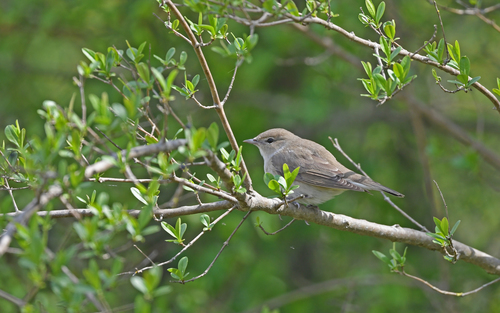 toutinegra-das-figueiras
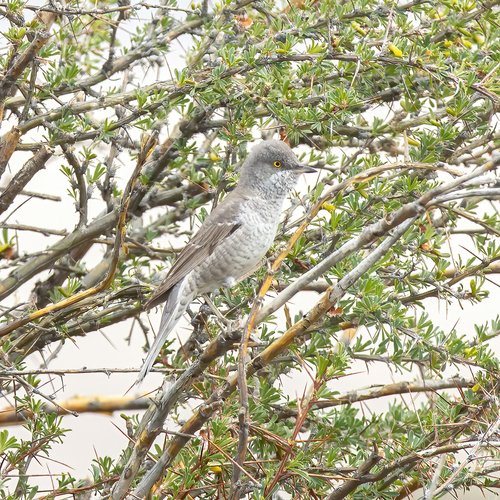 toutinegra-barrada
Em resumo
O juvenil toutinegra-barrada e a toutinegra-das-figueiras são facilmente confundidos, especialmente no outono, mas o juvenil toutinegra-barrada é distintamente maior, com uma construção mais robusta e sutis bordas pálidas nas penas das asas, e frequentemente apresenta listras fracas nas coberturas da cauda—características ausentes na toutinegra-das-figueiras, que é mais simples e menor. O adulto toutinegra-barrada é inconfundível, com listras pesadas na parte inferior e uma íris amarela, enquanto a toutinegra-das-figueiras de qualquer idade é sempre simples e não possui marcas nas asas ou na cauda. No campo, o tamanho e a estrutura (a toutinegra-barrada é muito maior e mais robusta) são frequentemente as pistas mais confiáveis, especialmente quando a plumagem é ambígua. Ambas as espécies são bastante simples no geral, mas a atenção cuidadosa a padrões sutis nas asas e na cauda em juvenis, bem como a aparência geral e a cor da íris em adultos, geralmente confirmará a identificação.
Dicas de identificação
- Tamanho e Estrutura: A toutinegra-barrada é muito maior e mais robusta do que a toutinegra-das-figueiras, com um bico mais pesado e uma construção mais robusta. Use isso como seu primeiro verificador, especialmente se você tiver uma noção de escala.
- Padrão de Asa e Cauda Juvenil: O juvenil toutinegra-barrada pode mostrar listras fracas nas coberturas da cauda e bordas pálidas nas penas das asas; os juvenis da toutinegra-das-figueiras são completamente simples e carecem dessas características. Procure por essas marcas sutis em aves do outono.
- Listras em Adultos: O adulto toutinegra-barrada (especialmente os machos) é fortemente listrado na parte inferior e tem pontas brancas nas coberturas das asas e penas da cauda. A toutinegra-das-figueiras de qualquer idade é sempre simples na parte inferior, sem listras.
- Cor da Íris: O adulto toutinegra-barrada tem uma íris amarela, enquanto a toutinegra-das-figueiras (todas as idades) tem um olho escuro. O juvenil toutinegra-barrada também tem uma íris escura, então isso é apenas diagnóstico para adultos.
- Bico e Pernas: A toutinegra-barrada tem um bico mais robusto, escuro, com uma base mais clara e pernas cinza-marrom robustas; o bico da toutinegra-das-figueiras é forte, mas mais fino, com uma mandíbula superior cinza e inferior mais clara, e pernas azuladas. Isso é sutil, mas pode ajudar em boas vistas.
- Padrão Facial: Ambas as espécies têm rostos bastante simples, mas a toutinegra-das-figueiras pode mostrar um supercílio pálido e um anel ocular esbranquiçado, enquanto a toutinegra-barrada é ainda mais simples em juvenis e imaturos.
- Cor das Partes Superiores: A toutinegra-das-figueiras é oliva-marrom acima; a toutinegra-barrada é mais cinza (adultos) ou cinza-buff (juvenis). Em luz fraca, isso pode ser difícil de julgar.
- Partes Inferiores: A toutinegra-das-figueiras é branca opaca na parte inferior, com um tom buff na garganta e flancos, nunca listrada. A toutinegra-barrada é esbranquiçada na parte inferior, com listras em adultos e um tom buff pálido em juvenis.
- Cauda: A toutinegra-barrada pode mostrar pontas brancas nas penas da cauda (adultos) ou listras fracas nas coberturas da cauda (juvenis); a cauda da toutinegra-das-figueiras é simples.
- Comportamento e Jizz: A toutinegra-barrada parece mais pesada e lenta, às vezes pousando de forma mais aberta, especialmente quando se alimenta de frutas. A toutinegra-das-figueiras é mais ativa e prefere coberturas densas.
- Habitat: Na Europa Ocidental, a toutinegra-barrada é um migrante escasso no outono, principalmente na costa leste, enquanto a toutinegra-das-figueiras é comum e amplamente distribuída em florestas e arbustos adequados.
- Canto: Se cantando, o canto da toutinegra-das-figueiras é mais rico e melodioso; o da toutinegra-barrada é mais áspero, tagarela e de tom mais agudo.
- Sazonalidade: A maioria das toutinegras-barradas vistas na Europa Ocidental são juvenis no outono; adultos são muito raros. A toutinegra-das-figueiras pode ser vista durante toda a temporada de reprodução e migração.
- Armadilhas: O juvenil toutinegra-barrada é o mais propenso a ser confundido com a toutinegra-das-figueiras—sempre verifique o tamanho, listras sutis e bordas pálidas nas asas/cauda. Se a ave for simples, pequena e carecer de qualquer listra ou bordas pálidas, a toutinegra-das-figueiras é mais provável.
- Subespécies: As subespécies da toutinegra-das-figueiras diferem ligeiramente em tom e tamanho, mas essas diferenças são muito sutis e não úteis no campo para separação da toutinegra-barrada.
Tamanho
A toutinegra-barrada é significativamente maior e mais pesada do que a toutinegra-das-figueiras: a toutinegra-barrada mede 15,5–17 cm de comprimento e pesa 22–36 g, enquanto a toutinegra-das-figueiras tem 14 cm de comprimento e pesa 16–22 g (ocasionalmente até 35,5 g em aves pré-migratórias, mas isso é raro) [wikipedia][avonet]. A toutinegra-barrada também parece mais robusta, com um bico mais grosso e uma construção mais pesada. Em comparação direta, a toutinegra-das-figueiras é visivelmente menor, mais fina e mais delicada.
Plumagem
Juvenis: O juvenil toutinegra-barrada é cinza-buff acima e buff pálido abaixo, com muito poucas listras, mas pode mostrar listras fracas nas coberturas da cauda e bordas pálidas nas penas das asas. A íris é escura em imaturos. O juvenil da toutinegra-das-figueiras é mais simples, com partes superiores mais claras e cinzentas e um tom buff nas partes inferiores, mas nunca mostra listras ou bordas pálidas nas asas. Ambas carecem de marcas faciais fortes, mas o tamanho maior da toutinegra-barrada e as sutis características das asas/cauda são fundamentais.
Adultos: Os machos adultos da toutinegra-barrada são cinza-escuro acima, fortemente listrados abaixo, com pontas brancas nas coberturas das asas e penas da cauda, e uma íris amarela. As fêmeas são mais claras com listras mais leves. Os adultos da toutinegra-das-figueiras são sempre marrons-oliva simples acima e brancos opacos abaixo, com um supercílio pálido e um anel ocular esbranquiçado, mas sem listras ou marcas nas asas/cauda. A íris é sempre escura.
Em todas as idades, a toutinegra-das-figueiras não possui listras, painéis nas asas ou pontas de cauda pálidas, e é no geral mais sem características. A toutinegra-barrada, mesmo quando não é fortemente listrada, é sutilmente padronizada e maior.
Comportamento
Ambas as espécies são geralmente discretas e preferem coberturas densas, mas a toutinegra-barrada, devido ao seu tamanho maior e construção mais pesada, pode parecer mais lenta e deliberada em movimento em comparação com a toutinegra-das-figueiras, que é mais ágil e ativa. A toutinegra-barrada é às vezes vista pousando de forma mais aberta, especialmente quando se alimenta de frutas no final do verão e outono, enquanto a toutinegra-das-figueiras tende a permanecer escondida na folhagem. Em voo, o tamanho e as asas largas da toutinegra-barrada são aparentes, enquanto a toutinegra-das-figueiras parece mais compacta e menos robusta.
Habitat
Ambas as espécies utilizam habitats semelhantes durante a migração e nas áreas de reprodução, favorecendo florestas abertas, arbustos e áreas com cobertura baixa densa. A toutinegra-barrada está mais associada a campos abertos com arbustos e silvas, frequentemente na companhia do tira-teima-de-costas-vermelhas, enquanto a toutinegra-das-figueiras prefere bordas de florestas e sub-bosques densos, mas raramente jardins, apesar do seu nome. Na Europa Ocidental, a toutinegra-barrada é um migrante escasso, encontrado principalmente no outono na costa leste, enquanto a toutinegra-das-figueiras é comum e amplamente distribuída.
Voz
Ambas as espécies têm cantos que podem ser semelhantes: o canto da toutinegra-barrada é uma versão tagarela e áspera do rico e melódico trinado da toutinegra-das-figueiras, mas é menos melodioso e ligeiramente mais agudo, com alguma semelhança com o papa-amoras-comum. O canto da toutinegra-das-figueiras é mais fluido e musical. Chamadas não são descritas em detalhes nas fontes, então o canto é apenas uma ajuda menor, a menos que seja bem ouvido.
toutinegra-das-figueiras · toutinegra-barrada · Minhas aves difíceis