
Motmot

ブロンズトキ 対 アフリカヘラサギ

Plegadis falcinellus 対 Platalea alba

ブロンズトキとアフリカヘラサギのクイズ
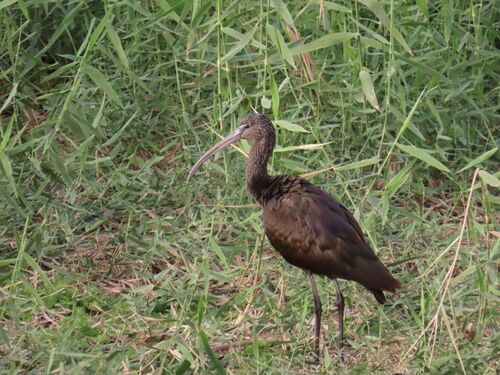
ブロンズトキ (Plegadis falcinellus) ブロンズトキ
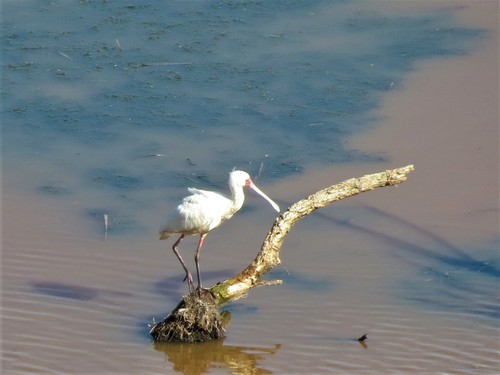
アフリカヘラサギ (Platalea alba) アフリカヘラサギ

メディア

読み込み中…

要点

ブロンズトキとアフリカヘラサギを区別する最も信頼できる方法は、くちばしの形です:ブロンズトキは長くて細い鎌形のくちばしを持ち、アフリカヘラサギは長くて平らでスプーンのような先端のくちばしを持ち、近距離では間違いなく識別できます。成鳥の羽毛も診断的です:ブロンズトキは暗い赤褐色と虹色の緑または紫の色合いを示し、アフリカヘラサギは成鳥では全体が白で赤い脚と顔を持っています。両種の幼鳥は鈍い色合いですが、くちばしの形はすべての年齢で明確な区別を保ちます。両種は首を伸ばして飛びますが、全体的な印象や採餌行動は異なります。遠くの鳥や未成熟な鳥との混同が最も起こりやすいですが、くちばしと羽毛に注意を払えばほとんどのケースを解決できます。

識別のコツ

  1. くちばしの形は最も信頼できるフィールドマークです: ブロンズトキは常に長くて細い下向きの(鎌形の)くちばしを持ち、アフリカヘラサギは常に長くて平らで広い先端の(スプーン形の)くちばしを持っています。これは、くちばしが見えるすべての年齢と距離で診断的です。
  2. 成鳥の羽毛: ブロンズトキの成鳥は暗い赤褐色で、翼には強い金属的な緑、銅、または紫の虹色が見られます。アフリカヘラサギの成鳥は純白で虹色はなく、赤い脚と赤い顔の斑点があります。
  3. 幼鳥/未成熟の羽毛: 幼鳥のブロンズトキは暗い茶色で、頭と首に細い白い筋があり、虹色はありません。幼鳥のアフリカヘラサギは淡い(主に白)で、顔に赤がなく、黄色がかったくちばしを持っています。鈍い光の中でも、スプーン形のくちばしは際立っています。
  4. 顔の皮膚: ブロンズトキは狭い白い顔の帯を持ち(微妙で、繁殖期の成鳥では近距離で最もよく見えます)、季節によって青灰色からコバルトブルーの顔の皮膚を持っています。アフリカヘラサギは成鳥では裸の赤い顔を持っています(幼鳥にはありません)。
  5. 脚の色: ブロンズトキの脚は赤褐色です;アフリカヘラサギの脚は成鳥では明るい赤で、未成熟では鈍い色です。
  6. 飛行のシルエット: 両者は首を伸ばして飛びますが、アフリカヘラサギは首が長く、脚が長く、より角ばった細長い外観を持っています。ブロンズトキはよりコンパクトです。
  7. 採餌行動: ブロンズトキは泥や浅い水を探り、しばしば計画的に歩きます。アフリカヘラサギはくちばしを左右に振りながら採餌し、これはトキには見られない独特の動作です。
  8. 群れの構造: ブロンズトキはしばしば小さな群れから大きな群れで採餌し、時には他の種と共に共同で休むことがあります。アフリカヘラサギはより頻繁に単独または小さな群れで見られ、通常はコウノトリやサギと一緒に巣を作りません。
  9. 生息地の好み: ブロンズトキは、乱されたり人工的な生息地を含む、より広範な湿地タイプで見られる可能性が高いです。アフリカヘラサギは開水のある湿地を好み、人間の干渉にはあまり耐性がありません。
  10. 季節的変化: ブロンズトキはより顕著な季節的移動を示し、移動や分散中に予期しない場所に現れることがあります。アフリカヘラサギはその範囲内でより定住的です。
  11. 声: 区別には診断的ではありません;両者は一般的に静かで、動揺したときには厳しい鳴き声を上げます。
  12. 落とし穴: 遠くから見たり、光が悪い場合、白い鳥はほぼ確実にアフリカヘラサギです;暗くて虹色の鳥はブロンズトキです。幼鳥のヘラサギはあまり目立たないかもしれませんが、くちばしの形は依然として診断的です。泥で汚れたヘラサギに注意してくださいが、それでもくちばしの形はユニークです。
  13. 性差: フィールドでの区別には役立ちません;両種は羽毛においてあまり性的二形性を示しません。
  14. 文脈: 混合群れでは、くちばしの形と全体の色が最も迅速なチェックです。シルエットしか見えない場合は、ヘラサギのより大きく平らなくちばしと長い脚を探してください。

大きさ

ブロンズトキは中型のトキで、体重は平均約633g、長さは48〜66cmです。アフリカヘラサギは全体の長さは似ていますが、一般的にがっしりしていて脚が長いですが、正確な体重データは不足しています。フィールドでは、アフリカヘラサギは長い脚と首のためにしばしば背が高く、より細長く見えます。両種はコウノトリやサギよりも明らかに小さいですが、アフリカヘラサギは立っているときにより威圧的に見えることがあります。

羽色

行動

ブロンズトキは浅い水や泥を探りながら採餌し、しばしば小さな群れで見られ、安定した意図的な歩き方で歩くことが多いです。アフリカヘラサギは浅い水でくちばしを左右に振りながら採餌し、非常に特徴的な動作です。ヘラサギは長い脚のために深い水で足を浸していることがよくあります。両種は首を伸ばして飛びますが、ヘラサギの長い首と脚は飛行中に細長い外観を与えます。ブロンズトキは飛ぶときにしばしばV字型の群れを形成しますが、ヘラサギは単独または緩い群れで見られることが多いです。

生息環境

両種は湿地、沼地、浅い水を好みますが、ブロンズトキはより柔軟で、湿った草地、稲作田、さらには下水池を含むさまざまな淡水および塩水の生息地を利用します。アフリカヘラサギは開水のある湿地に制限され、高度に乱されたり都市化された場所では見られにくいです。ブロンズトキは時には水から遠く離れた木に休むことがありますが、アフリカヘラサギは水上の木や葦原に巣を作り、休みます。

より良い説明を送る

比較と同じ項目を使ってください。文章はすぐに公開されます。

The most reliable way to separate Glossy Ibis from African Spoonbill is by bill shape: Glossy Ibis has a long, slender, sickle-shaped bill, while African Spoonbill has a long, flat, spatula-tipped bill that is unmistakable at close range. Adult plumage is also diagnostic: Glossy Ibis shows dark, reddish-brown and iridescent green or purple tones, while African Spoonbill is all white with red legs and face in adults. Juveniles of both species are duller, but the bill shape remains a clear distinction at all ages. Both species fly with necks outstretched, but their overall jizz and feeding behavior differ. Confusion is most likely with distant or immature birds, but careful attention to bill and plumage will resolve most cases.

  1. Bill shape is the single most reliable field mark: Glossy Ibis always has a long, slender, decurved (sickle-shaped) bill; African Spoonbill always has a long, flat, wide-tipped (spoon-shaped) bill. This is diagnostic at all ages and distances where the bill is visible.
  2. Adult plumage: Glossy Ibis adults are dark reddish-brown with strong metallic green, bronze, or purple iridescence on the wings. African Spoonbill adults are pure white with no iridescence, and have red legs and a red face patch.
  3. Juvenile/immature plumage: Juvenile Glossy Ibis is dark brown with fine white streaks on the head and neck, lacking iridescence. Juvenile African Spoonbill is pale (mostly white), lacks red on the face, and has a yellowish bill. Even in dull light, the spoon-shaped bill stands out.
  4. Facial skin: Glossy Ibis has a narrow white facial band (subtle, best seen at close range in breeding adults), with blue-grey to cobalt blue facial skin depending on season. African Spoonbill has a bare red face in adults (not present in juveniles).
  5. Leg color: Glossy Ibis legs are red-brown; African Spoonbill legs are bright red in adults, duller in immatures.
  6. Flight silhouette: Both fly with necks outstretched, but African Spoonbill appears longer-necked and longer-legged, with a more angular, lanky look. Glossy Ibis is more compact.
  7. Feeding behavior: Glossy Ibis probes in mud or shallow water, often methodically walking. African Spoonbill sweeps its bill side-to-side, a unique feeding motion not seen in ibis.
  8. Group structure: Glossy Ibis often forages in small to large flocks and may roost communally, sometimes with other species. African Spoonbill is more often seen singly or in small groups, and does not usually nest with storks or herons.
  9. Habitat preference: Glossy Ibis is more likely to be found in a wider range of wetland types, including disturbed or artificial habitats. African Spoonbill prefers marshy wetlands with open water and is less tolerant of human disturbance.
  10. Seasonal changes: Glossy Ibis shows more pronounced seasonal movements and may appear in unexpected places during migration or dispersal. African Spoonbill is more sedentary within its range.
  11. Voice: Not diagnostic for separation; both are generally silent or give harsh croaks when disturbed.
  12. Pitfalls: At great distance or in poor light, a white bird is almost certainly African Spoonbill; a dark, iridescent bird is Glossy Ibis. Juvenile spoonbills may appear less striking, but the bill shape remains diagnostic. Beware of mud-stained spoonbills, but even then, the bill shape is unique.
  13. Sex differences: Not useful for field separation; both species show little sexual dimorphism in plumage.
  14. Context: In mixed flocks, bill shape and overall color are the quickest checks. If only a silhouette is visible, look for the spoonbill's larger, flatter bill and longer legs.

Glossy Ibis is a medium-sized ibis, averaging about 633 g in body mass and 48–66 cm in length. African Spoonbill is similar in overall length but is generally bulkier and longer-legged, though precise mass data are lacking. In the field, African Spoonbill often appears taller and more elongated due to its long legs and neck. Both species are noticeably smaller than storks or herons, but African Spoonbill may look more imposing when standing.

  • Juveniles/Immatures: Both species are duller than adults, but Glossy Ibis juveniles have dark brown bodies with fine white streaking on the head and neck and lack strong iridescence. African Spoonbill juveniles are pale, mostly white, but lack the red face and have a yellowish bill. The bill shape is still diagnostic: sickle-shaped in ibis, spatulate in spoonbill.
  • Adults (breeding): Glossy Ibis shows rich reddish-brown body plumage with strong green, bronze, or purple iridescence on the wings, and a narrow white facial band (much less obvious than in White-faced Ibis). African Spoonbill adults are pure white except for red legs and face and a long, grey, spoon-shaped bill. No iridescence or dark coloration is present in spoonbill.
  • Adults (non-breeding): Glossy Ibis is duller overall but still dark with some iridescence; facial skin is blue-grey. African Spoonbill remains white but with less intense red on the face and legs.

Glossy Ibis feeds by probing in shallow water or mud, often in small flocks, and is more likely to be seen walking with a steady, deliberate gait. African Spoonbill feeds by sweeping its bill side-to-side in shallow water, a very distinctive motion. Spoonbills are often seen wading in deeper water due to their longer legs. Both species fly with necks outstretched, but the spoonbill's longer neck and legs give it a lankier appearance in flight. Glossy Ibis often forms V-shaped flocks when flying, while spoonbills are more likely to be seen singly or in loose groups.

Both species favor wetlands, marshes, and shallow water, but Glossy Ibis is more flexible, using a range of freshwater and brackish habitats, including wet meadows, rice paddies, and even sewage ponds. African Spoonbill is more restricted to marshy wetlands with open shallow water and is less likely to be found in highly disturbed or urbanized sites. Glossy Ibis may roost in trees, sometimes far from water, while African Spoonbill nests and roosts in trees or reedbeds over water.

変更を破棄しますか?

保存していない編集があります。今離れると失われます。

ブロンズトキ · アフリカヘラサギ · 苦手な鳥