
Motmot

オオジュウイチ 対 インドシナジュウイチ

Hierococcyx sparverioides 対 Hierococcyx nisicolor

オオジュウイチとインドシナジュウイチのクイズ
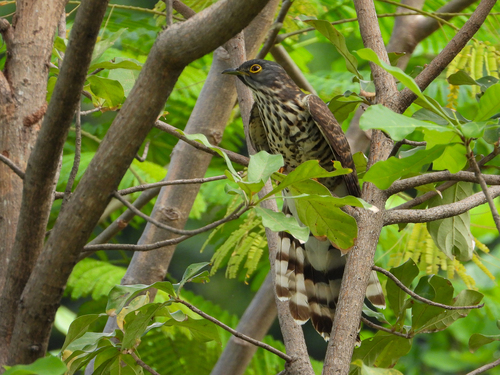
オオジュウイチ (Hierococcyx sparverioides) オオジュウイチ
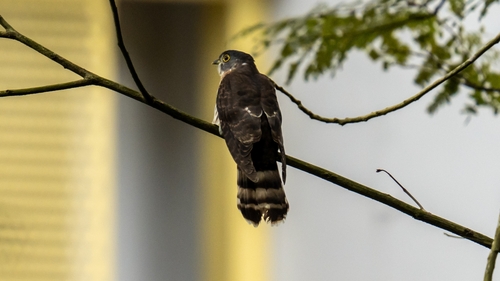
インドシナジュウイチ (Hierococcyx nisicolor) インドシナジュウイチ

メディア

読み込み中…

要点

オオジュウイチとインドシナジュウイチを区別する最も信頼できるフィールドマークは、オオジュウイチの成鳥のあごにある黒い斑点であり、インドシナジュウイチにはありません。両種は全体的な形状と行動が似ていますが、オオジュウイチはやや大きくてがっしりとしています。幼鳥や未成熟の羽毛については情報が詳細に記載されていないため、成鳥のあごのパターンが鍵となります。鳴き声は似ていますが、オオジュウイチの鳴き声はクレッシェンドにはなりません。フィールドでの最良の区別にはサイズとあごのパターンを使用してください。

識別のコツ

  1. Chin Patch (Adults): あごに黒い斑点があるか探してください—オオジュウイチの成鳥には存在し、インドシナジュウイチにはありません。これは、よく見えるときに最も信頼できるフィールドマークです。
  2. Overall Size: オオジュウイチはインドシナジュウイチよりも明らかに大きくてがっしりしていますが、サイズは直接比較や経験がないと判断が難しいことがあります。
  3. Plumage Similarity: 両種は似たようなタカのような縞模様と色合いを持っているため、一般的な羽毛に頼って区別しないでください。
  4. Juvenile/Immature Birds: 特徴的な幼鳥や上翼のパターンの違いは記載されていないため、可能であればサイズとあごのパターンを使用してください。未成熟の鳥はフィールドで区別するのが非常に難しい場合があります。
  5. Perched vs. Flight Views: あごの斑点は止まっている鳥で最もよく見えます;飛んでいるときはサイズと構造に頼ってください。
  6. Voice: オオジュウイチの鳴き声は繰り返しですが、クレッシェンドにはなりません。鳴き声を知っていれば、これが役立つかもしれませんが、両種は全体的に声が似ています。
  7. Range and Context: ヒマラヤの北部や東部にいる場合、オオジュウイチの方が可能性が高いですが、両種はインド北東部や隣接地域で重なっています。
  8. Brood Parasitism Behavior: フィールド識別には役立ちません。両種は抱卵寄生者であり、行動は似ています。
  9. Habitat: 両種は重なる地域で似たような生息地を使用します;生息地だけで区別しないでください。
  10. Sex and Season: フィールドIDに関連する性的二形や季節的羽毛の違いは記載されていません。
  11. Pitfalls: オオジュウイチの黒いあごの斑点を影や汚れと混同しないでください—良い光と角度を確保してください。
  12. When Marks Fail: あごがはっきり見えず、サイズがあいまいな場合、二つを自信を持って区別することはできないかもしれません。
  13. Community Experience: 地元のバーダーは微妙な行動や声の違いに基づいた追加のヒントを持っているかもしれませんが、これらは情報源には記載されていません。
  14. Summary: あごの斑点(成鳥)を優先し、次にサイズを考慮してください。他のすべての特徴は補助的ですが、診断的ではありません。

大きさ

オオジュウイチはインドシナジュウイチよりも明らかに大きくてがっしりしています。オオジュウイチの正確な測定値は提供されていませんが、インドシナジュウイチは体重が平均81グラムです [wikidata]。直接比較では、オオジュウイチはより頑丈に見え、並べて見たり経験があれば役立ちます。しかし、サイズだけでは基準がないと誤解を招くことがあるため、常に羽毛のマークで確認してください。

羽色

直接記載された羽毛の違いは、オオジュウイチの成鳥のあごに黒い斑点があることだけであり、インドシナジュウイチにはありません。どちらの種についても年齢特有の違いや上翼のパターンの違いは情報源に記載されていないため、幼鳥や飛んでいる鳥の区別は全体的なサイズと構造に依存します。両種はそれ以外は似たようなタカのような縞模様と色合いを持っており、成鳥においてあごの斑点が最も信頼できる視覚的手がかりとなります。

行動

両種は抱卵寄生者であり、他の鳥の巣に卵を産むなどの似たような行動を示します。インドシナジュウイチの雛は、給餌を促すために翼の下に開口部の色の斑点を示すことで知られていますが、これはフィールドでの識別目的には観察できません。一般的に、両種はタカのように止まったり飛んだりし、その動きは似ています。

生息環境

両種はその範囲の一部で重なり合っています。特にヒマラヤとインド北東部で。オオジュウイチは繁殖分布が広く、北と東にさらに広がっていますが、インド北東部、ミャンマー、南部中国、東南アジアに制限されています。しかし、重なり合う地域では生息地の好みは診断的ではありません。

声

両種は大きく、繰り返しの鳴き声を持っています。オオジュウイチの鳴き声は一般的なハイタカジュウイチの鳴き声に似ていますが、クレッシェンドにはなりません。これにより、鳴き声に慣れていればインドシナジュウイチと区別するのに役立つかもしれません。しかし、情報源はインドシナジュウイチの鳴き声の直接的な比較を提供していないため、声はあくまで補助的な手がかりです。

より良い説明を送る

比較と同じ項目を使ってください。文章はすぐに公開されます。

The most reliable field mark to separate Large Hawk-Cuckoo from Hodgson's Hawk-Cuckoo is the black patch on the chin of adult Large Hawk-Cuckoo, which Hodgson's lacks. Both species are similar in overall shape and behavior, but Large Hawk-Cuckoo is somewhat larger and bulkier. Juvenile and immature plumages are not detailed in the sources, so adult chin pattern is the key. Calls are similar, but Large Hawk-Cuckoo's does not rise in crescendo. Use size and chin pattern for best separation in the field.

  1. Chin Patch (Adults): Look for a black patch on the chin—present in adult Large Hawk-Cuckoo, absent in Hodgson's Hawk-Cuckoo. This is the single most reliable field mark when seen well.
  2. Overall Size: Large Hawk-Cuckoo is noticeably larger and bulkier than Hodgson's, but size can be hard to judge unless you have direct comparison or experience.
  3. Plumage Similarity: Both species have similar hawk-like barring and coloration, so do not rely on general plumage for separation.
  4. Juvenile/Immature Birds: No distinctive juvenile or upperwing pattern differences are described, so use size and chin pattern if possible. Immature birds may be very difficult to separate in the field.
  5. Perched vs. Flight Views: Chin patch is best seen on perched birds; in flight, rely on size and structure.
  6. Voice: Large Hawk-Cuckoo's call is repetitive but does not rise in crescendo. If you know the calls, this may help, but both species are vocally similar overall.
  7. Range and Context: If you are in the far north or east of the Himalayas, Large Hawk-Cuckoo is more likely, but both species overlap in northeast India and adjacent regions.
  8. Brood Parasitism Behavior: Not useful for field identification, as both species are brood parasites and behave similarly.
  9. Habitat: Both species use similar habitats where they overlap; do not use habitat alone for separation.
  10. Sex and Season: No described sexual dimorphism or seasonal plumage differences relevant to field ID.
  11. Pitfalls: Do not confuse the black chin patch of Large Hawk-Cuckoo with shadow or dirt—ensure good light and angle.
  12. When Marks Fail: If you cannot see the chin clearly and size is ambiguous, it may not be possible to separate the two with confidence.
  13. Community Experience: Local birders may have additional tips based on subtle behavioral or vocal differences, but these are not documented in the sources.
  14. Summary: Prioritize chin patch (adults), then size; treat all other features as supportive but not diagnostic.

Large Hawk-Cuckoo is distinctly larger and bulkier than Hodgson's Hawk-Cuckoo. While precise measurements for Large Hawk-Cuckoo are not provided, Hodgson's Hawk-Cuckoo averages 81 grams in body mass [wikidata]. In direct comparison, Large Hawk-Cuckoo appears more robust, which can be useful when seen side by side or with experience. However, size alone can be misleading without a reference, so always confirm with plumage marks.

The only directly described plumage difference is the presence of a black patch on the chin of adult Large Hawk-Cuckoo, which is absent in Hodgson's. No age-specific or upperwing pattern differences are detailed in the sources for either species, so separation of juveniles or birds in flight relies on overall size and structure. Both species otherwise have similar hawk-like barring and coloration, making the chin patch the most reliable visual cue in adults.

Both species are brood parasites and exhibit similar behaviors, such as laying eggs in the nests of other birds. Hodgson's Hawk-Cuckoo chicks are noted for displaying gape-colored patches under the wing to stimulate feeding, but this is not observable in the field for identification purposes. In general, both species perch and fly in a hawk-like manner, and their jizz is similar.

Both species overlap in parts of their range, particularly in the Himalayas and northeastern India. Large Hawk-Cuckoo has a broader breeding distribution, extending further north and east, while Hodgson's is more restricted to northeast India, Myanmar, southern China, and southeast Asia. However, habitat preference is not diagnostic in areas of overlap.

Both species have loud, repetitive calls. Large Hawk-Cuckoo's call is similar to that of the common hawk-cuckoo but does not rise in crescendo, which may help distinguish it from Hodgson's if you are familiar with the vocalizations. However, the sources do not provide a direct comparison of Hodgson's call, so voice is only a supporting clue.

変更を破棄しますか?

保存していない編集があります。今離れると失われます。

オオジュウイチ · インドシナジュウイチ · 苦手な鳥