
Motmot

ウタイムシクイ 対 キイロウタムシクイ

Hippolais polyglotta 対 Hippolais icterina

ウタイムシクイとキイロウタムシクイのクイズ
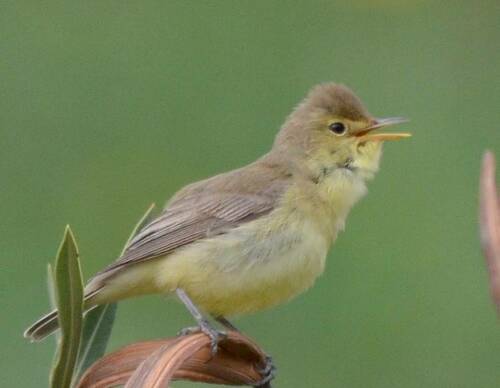
ウタイムシクイ (Hippolais polyglotta) ウタイムシクイ
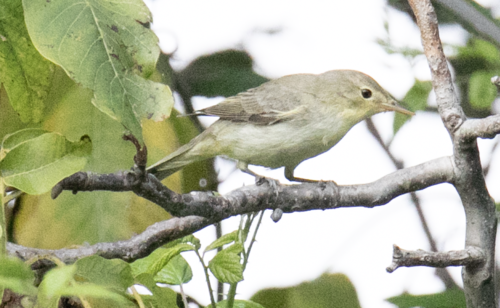
キイロウタムシクイ (Hippolais icterina) キイロウタムシクイ

メディア

読み込み中…

要点

メロディウスウタムシクイとキイロウタムシクイの最も信頼できるフィールドマークは、上面と脚の色です:メロディウスウタムシクイは、より地味で茶色の背中と茶色の脚を示し、キイロウタムシクイは、上面が明確に灰緑色で、脚は灰色から青みがかった色です。フィールドでは、キイロウタムシクイはしばしば淡い翼のパネル(淡いエッジのある二次羽と三次羽から)とわずかな黄色がかった眉斑を示し、メロディウスでは両方とも欠けているか、はるかに目立たないです。メロディウスの下側はより黄色がかっており、キイロウタムシクイはより淡く、より均一です。構造も微妙に異なります:キイロウタムシクイは、翼が長く、尾が四角く、頭が大きいです。これらの違いは幼鳥では微妙ですが、依然として存在します。声の違いもありますが、補助的な証拠として使用するのが最適です。

識別のコツ

  1. Upperparts color: メロディウスウタムシクイは上面が地味な茶色です;キイロウタムシクイは灰緑色です。これはすべての年齢で見られ、良い光の中で最初に確認すべきマークです。
  2. Leg color: メロディウスは茶色の脚を示し、キイロウタムシクイは灰色から青みがかった脚を持っています。これはしばしば止まっている鳥で見られ、信頼できる区別点です。
  3. Wing panel: キイロウタムシクイはしばしば閉じた翼に淡いパネルを示します(淡いエッジのある二次羽と三次羽から)、これはメロディウスでは欠けているか、はるかに目立たないです。特に止まっている鳥や写真でこれを探してください。
  4. Supercilium and lores: キイロウタムシクイはわずかな黄色がかった眉斑と淡いロアを持ち、やや「開いた顔」のように見えます。メロディウスはこれを欠いているか、はるかに目立たず、より地味な顔に見えます。
  5. Underparts: メロディウスは下側がより黄色がかっており、特に胸と腹で、キイロウタムシクイはより淡く、より均一な明るい黄色です。幼鳥のメロディウスはより淡いですが、キイロウタムシクイよりも依然として黄色がかっています。
  6. Tail and wing structure: キイロウタムシクイは翼が長く、尾が四角く短く、より細長く、大きな頭の外観を与えます。メロディウスはよりコンパクトで丸みを帯びています。
  7. Bill: 両方とも強く尖ったくちばしを持っていますが、キイロウタムシクイのくちばしは基部が広く、横から見るとやや重そうに見えることがあります。
  8. Song: メロディウスは模倣なしで流暢で繰り返しのあるおしゃべりを歌います;キイロウタムシクイの歌はより多様で、模倣を含みます。歌の識別に自信がある場合のみこれを使用してください。
  9. Call: メロディウスはガラガラとした「トゥルル」(ハウススズメのよう)を出し、静かな「トク」とおしゃべりの「クレッケッ」を出します;キイロウタムシクイの呼び声はここではあまり詳しく説明されていないので、注意して使用してください。
  10. Habitat and range: 南西ヨーロッパではメロディウスが期待され、中央/北ヨーロッパではキイロウタムシクイがより可能性があります。渡りの際、両方が一緒に出現することがあります。
  11. Jizz in flight: キイロウタムシクイは飛行中に翼が長く、頭が重そうに見えることがありますが、これは微妙で、補助的なマークとして使用するのが最適です。
  12. Sex and age: 両種は性別が同形であり、上記のすべてのフィールドマークは両方の性に適用されます。幼鳥のメロディウスは下側がより淡いですが、上面はキイロウタムシクイよりも依然として茶色です。
  13. Pitfalls: 照明が悪いとキイロウタムシクイが茶色に見えたり、メロディウスが緑色に見えたりすることがあります;常に複数の特徴を確認してください。未熟な鳥は特に難しい場合があるので、脚の色と翼のパネルを優先してください。
  14. Not diagnostic: 行動とサイズは、直接比較がない限り、フィールドでは信頼できません。
  15. Photos: 可能であれば、翼のパネルと脚の色を確認するために写真を使用してください。これらは短時間の双眼鏡の視界で見逃されることがよくあります。

大きさ

両種は中型のウタムシクイで、メロディウスウタムシクイは体重が約13.2gです。キイロウタムシクイはウタムシクイとしてはかなり大きいとされ、大きな頭と長い翼を持っていますが、直接的な質量データは利用できません。実際には、サイズだけではフィールドでの強力な区別点にはなりませんが、キイロウタムシクイは特に止まっているときにわずかに翼が長く、頭が重そうに見えることがあります。

羽色

幼鳥と成鳥のメロディウスウタムシクイは、地味な茶色の背中と翼を持ち、キイロウタムシクイよりも飽和した黄色がかった下側を持っています。若いメロディウスは下側がより淡いですが、上面はキイロウタムシクイよりも依然として茶色です。すべての年齢のキイロウタムシクイは灰緑色の上面、淡い黄色がかった眉斑(あいまいですが)、および淡いエッジのある二次羽と三次羽から形成された淡い翼のパネルを示します。キイロウタムシクイの脚は灰色から青みがかっており、メロディウスの茶色の脚と対照的です。キイロウタムシクイの下側はより均一な明るい黄色で、メロディウスはより黄色がかっており、より対照的です。両種とも強く尖ったくちばしを持っています。性別は両方とも同じであるため、これらのマークはすべての年齢と性別に適用されます。

行動

両種は葉の間で餌を探し、飛び捕りをすることがありますが、キイロウタムシクイは小型のフィロスコプスウタムシクイよりも不器用であるとされています。メロディウスとキイロウタムシクイの間に直接的な行動の違いは、情報源には記載されていないため、行動は信頼できる区別点ではありません。

生息環境

メロディウスウタムシクイは南西ヨーロッパと北西アフリカで繁殖し、キイロウタムシクイは南西を除くほとんどの本土ヨーロッパで繁殖します。重複する渡りのゾーンでは、両方が一緒に出現することがありますが、繁殖範囲は強力な手がかりです:南西ヨーロッパはメロディウスを好み、中央および北ヨーロッパはキイロウタムシクイを好みます。

声

メロディウスウタムシクイの歌は心地よく、流暢で持続的なおしゃべりで、キイロウタムシクイよりも多様性が少なく、模倣がありません。呼び声にはガラガラとした「トゥルル」、静かな「トク」、おしゃべりの「クレッケッ」が含まれます。キイロウタムシクイの歌はより多様で、他の鳥の模倣を含みます。実際には、メロディウスはキイロウタムシクイよりも繰り返しが多く、創造性が少ないように聞こえます。歌を補助的なマークとして使用してください、特に両方に精通している場合は。

より良い説明を送る

比較と同じ項目を使ってください。文章はすぐに公開されます。

The most reliable field mark between Melodious Warbler and Icterine Warbler is the color of the upperparts and legs: Melodious Warbler shows a plainer, browner back and brown legs, while Icterine Warbler is distinctly greyish-green above with grey to bluish legs. In the field, Icterine often shows a pale wing panel (from pale-edged secondaries and tertials) and a faint yellowish supercilium, both lacking or much less marked in Melodious. Underparts are yellower in Melodious, paler and more uniform in Icterine. Structure is also subtly different: Icterine is longer-winged with a squarer tail and a larger head. These differences are subtle in juveniles but still present. Vocalizations differ, but are best used as supporting evidence.

  1. Upperparts color: Melodious Warbler is plain brown above; Icterine Warbler is greyish-green. This is visible in all ages and is the first mark to check in good light.
  2. Leg color: Melodious shows brown legs, while Icterine has grey to bluish legs. This is often visible in perched birds and is a reliable separator.
  3. Wing panel: Icterine Warbler often shows a pale panel on the closed wing (from pale-edged secondaries and tertials), which is absent or much less marked in Melodious. Look for this especially on perched birds or in photos.
  4. Supercilium and lores: Icterine has a faint yellowish supercilium and pale lores, giving a slightly 'open-faced' look. Melodious lacks this or is much less marked, appearing plainer-faced.
  5. Underparts: Melodious is yellower below, especially on the breast and belly, while Icterine is paler, more uniform light yellow. Juvenile Melodious are paler but still yellower than Icterine.
  6. Tail and wing structure: Icterine has longer wings and a squarer, shorter tail, giving a more elongated, big-headed appearance. Melodious is more compact and rounded.
  7. Bill: Both have a strong, pointed bill, but Icterine's is broad-based and may appear slightly heavier in profile.
  8. Song: Melodious sings a fluent, repetitive babbling without mimicry; Icterine's song is more varied and includes mimicry. Use this only if you are confident in song ID.
  9. Call: Melodious gives a rattling 'trrrr' (like a House Sparrow), a quiet 'tuk', and a chattering 'chret-chet'; Icterine's calls are less well described here, so use with caution.
  10. Habitat and range: In southwest Europe, Melodious is expected; in central/northern Europe, Icterine is more likely. During migration, both may occur together.
  11. Jizz in flight: Icterine may look longer-winged and heavier-headed in flight, but this is subtle and best used as a supporting mark.
  12. Sex and age: Both species are sexually monomorphic; all field marks above apply to both sexes. Juvenile Melodious are paler below but still browner above than Icterine.
  13. Pitfalls: Poor light can make Icterine look browner or Melodious look greener; always check multiple features. Immature birds can be especially tricky, so prioritize leg color and wing panel.
  14. Not diagnostic: Behavior and size are not reliable in the field unless you have direct comparison.
  15. Photos: If possible, use photos to check wing panel and leg color, as these are often missed in brief binocular views.

Both species are medium-sized warblers, with Melodious Warbler averaging about 13.2 g in body mass. Icterine Warbler is described as fairly big for a warbler, with a large head and long wings, but no direct mass data is available. In practice, size alone is not a strong separator in the field, but Icterine may appear slightly longer-winged and heavier-headed, especially when perched.

Juvenile and adult Melodious Warblers have a plain brown back and wings, with yellowish underparts that are more saturated than Icterine. Young Melodious are paler below but still browner above than Icterine. Icterine Warbler of all ages shows greyish-green upperparts, a pale yellowish supercilium (though vague), and a pale wing panel formed by the pale edges of the secondaries and tertials. The legs of Icterine are grey to bluish, contrasting with the brown legs of Melodious. The underparts of Icterine are a more uniform, light yellow, while Melodious is yellower and more contrasting. Both species have a strong, pointed bill. Sexes are alike in both, so these marks work for all ages and sexes.

Both species forage among foliage and may flycatch, but Icterine Warbler is described as clumsier than smaller Phylloscopus warblers. No direct behavioral differences between Melodious and Icterine are noted in the sources, so behavior is not a reliable separator.

Melodious Warbler breeds in southwest Europe and northwest Africa, while Icterine Warbler breeds across most of mainland Europe except the southwest, where Melodious replaces it. In overlapping migration zones, both can occur together, but breeding range is a strong clue: southwest Europe favors Melodious, central and northern Europe favors Icterine.

Melodious Warbler's song is a pleasant, fluent, and sustained babbling, less varied than Icterine's and lacking mimicry. Its calls include a rattling 'trrrr', a quiet 'tuk', and a chattering 'chret-chet'. Icterine Warbler's song is more varied and includes mimicry of other birds. In practice, Melodious sounds more repetitive and less inventive than Icterine. Use song as a supporting mark, especially if you are familiar with both.

変更を破棄しますか?

保存していない編集があります。今離れると失われます。

ウタイムシクイ · キイロウタムシクイ · 苦手な鳥