
Motmot

オビハシカイツブリ 対 アメリカバン

Podilymbus podiceps 対 Gallinula galeata

オビハシカイツブリとアメリカバンのクイズ
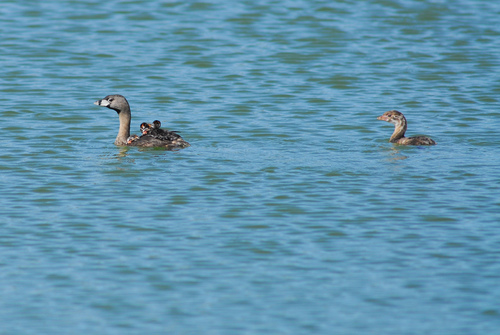
オビハシカイツブリ (Podilymbus podiceps) オビハシカイツブリ
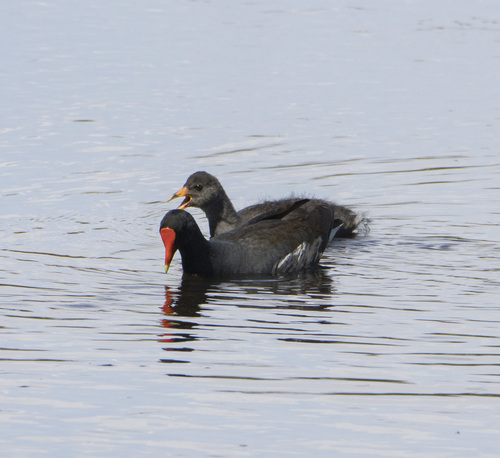
アメリカバン (Gallinula galeata) アメリカバン

メディア

読み込み中…

要点

アメリカバンとオビハシカイツブリを区別する最も信頼できるフィールドマークは、くちばしの形状と色彩です:オビハシカイツブリは、夏に淡い基部と太い黒い帯を持つ短くて太い鶏のようなくちばしを持ち、アメリカバンは明るい赤いくちばしに黄色い先端と目立つ赤い前面のシールド(成鳥)を示します。飛行中、オビハシカイツブリは上翼に白色がなく、アメリカバンは白い尾羽の覆いと脇腹や下翼に白色のフラッシュを示します。構造も特徴的です:オビハシカイツブリはコンパクトで短い首を持ち、水面に低く浮かび、アメリカバンはより細長く、脚が長く、頭を上下させながら歩いたり泳いだりする姿がよく見られます。幼鳥も異なります:若いカイツブリは縞模様がありますが、若いバンは茶色がかっていて赤いシールドがありません。両種は似た湿地の生息地で見られることがありますが、行動や形はかなり異なります。

識別のコツ

  1. Bill shape and color (all ages): オビハシカイツブリは、夏に淡い色で黒い帯を持つ短くて太い鶏のようなくちばしを持ち、アメリカバンは、成鳥において明るい赤い先端と赤い前面のシールドを持つ細長い尖ったくちばしを持っています。
  2. Upperwing pattern in flight (all ages): オビハシカイツブリは上翼に白色がなく、均一に茶色に見えます;アメリカバンは脇腹や下翼に白色をフラッシュし、飛行中や泳いでいるときに白い尾羽の覆いが見えます。
  3. Juvenile plumage: 幼いカイツブリは顔と首に大胆な黒と白の縞模様があります;幼いバンは地味な茶色で、赤いシールドとくちばしがありません。
  4. Body structure: カイツブリはコンパクトで短い首を持ち、水面に低く座ります;バンは細長く、脚が長く、より直立した姿勢を持ち、しばしば植物の上を歩いたり立ったりする姿が見られます。
  5. Feet and walking: カイツブリは切れ込みのある足を持ち、陸上を歩くことができません;バンは長い未発達の足を持ち、陸上や浮遊植物の上を歩いたり、跳ねたり、走ったりする姿がよく見られます。
  6. Swimming posture: カイツブリは低く浮かび、特に驚いたときには頭と首だけが見えることが多い;バンはより高く座り、浮力があります。
  7. Throat and face (breeding adults): カイツブリは夏に黒い喉の斑点を示します;バンは地味な暗い喉を持ちますが、くちばしの上に明るい赤いシールドがあります。
  8. Undertail: 両種は白い尾羽の覆いを持っていますが、バンのものはより目立ち、特に尾を振るときにふくらむことがよくあります。
  9. Leg color: バンは黄色い脚を持っています;カイツブリの脚は通常見えません。
  10. Flight behavior: カイツブリはめったに飛ばず、ぎこちなく見え、足が後ろに引きずられます;バンはより容易に飛び立ち、足を垂らし、強い羽ばたきをします。
  11. Head pattern: カイツブリは暗い冠と地味な顔を持っています;バンは成鳥において地味な暗い顔を持ちますが、シールドは診断的です。
  12. Behavior when disturbed: カイツブリは潜水し、危険から遠く離れて浮上することがあります;バンはしばしば短い距離を走ったり飛んだりし、時には幼鳥が成鳥にしがみつくことがあります。
  13. Habitat use: 陸上や浮遊植物の上を歩いているのが見られた場合、ほぼ確実にバンであり、カイツブリではありません。
  14. Seasonal changes: カイツブリは冬に黒い喉を失い、くちばしの帯はあまり目立たなくなりますが、地味なままです;バンのくちばしとシールドは鈍くなりますが、構造と白い脇腹は残ります。
  15. Potential confusion: 経験の浅い観察者は、習性のためにカイツブリをカモと間違えることがありますが、くちばしの形状と歩行行動の欠如が重要な区別点です。

大きさ

オビハシカイツブリとアメリカバンは長さが似ています(カイツブリ:31–38 cm;バン:32–35 cm)が、バンは平均してやや重いです(カイツブリの質量:440 g;バン:310–456 g)。バンは翼幅が長く(54–62 cm対カイツブリの45–62 cm)、細長く脚が長く見えますが、カイツブリはよりコンパクトで水面に低く浮かびます。カイツブリの体はがっしりしていて短い首を持ち、足は後方に位置しているため、陸上ではぎこちなく見えますが、バンはより直立していて陸上や浮遊植物の上で敏捷です。

羽色

行動

オビハシカイツブリはほぼ常に泳いでいるか潜水している姿が見られ、めったに陸上に出てこず、驚かされると水中に低く沈むか潜ります。足は後方に位置しているため、陸上を歩くことができません。アメリカバンは泳いでいる姿がよく見られますが、浮遊植物や泥の上を歩いたり採餌したりすることもあり、長い足を使ってバランスを取ります。バンは歩いたり、スイレンの葉の上を跳ねたり、さらには開けた地面を走ったりする姿が見られることが多いです。飛行中、カイツブリはぎこちなく見え、めったに飛ばず、通常は驚かされたときだけに飛びます;バンはより容易に飛び立ち、足を垂らし、急速な羽ばたきを見せることがあります。

生息環境

両種は淡水湿地、池、そして出現する植生のある湿原に生息しています。オビハシカイツブリは静水を好み、より厳密に水生で、めったに陸上や密な植生に出てこない。アメリカバンは似たような生息地を利用しますが、水辺を歩いたり、浮遊植物の上や運河や溝の中にいる姿が見られることが多いです。両種は一緒に見られることがありますが、バンの陸上での習性が手がかりになることがあります。

より良い説明を送る

比較と同じ項目を使ってください。文章はすぐに公開されます。

The most reliable field mark to separate Pied-billed Grebe from American Moorhen is bill shape and coloration: Pied-billed Grebe has a short, thick, chicken-like bill with a pale base and a bold black band in summer, while American Moorhen shows a bright red bill with a yellow tip and a prominent red frontal shield (adults). In flight, Pied-billed Grebe lacks any white on the upperwing, whereas American Moorhen shows white undertail coverts and flashes white along the flanks and underwing. Structure is also distinctive: Pied-billed Grebe is compact, short-necked, and rides low in the water, while American Moorhen is lankier, longer-legged, and often seen walking or swimming with head bobbing. Juveniles differ as well: young grebes are striped, while young moorhens are browner and lack the red shield. Both species may be found in similar wetland habitats, but their behavior and shape are quite different.

  1. Bill shape and color (all ages): Pied-billed Grebe has a short, thick, chicken-like bill that is pale with a black band in summer; American Moorhen has a slender, pointed bill that is bright red with a yellow tip and a red frontal shield (adults).
  2. Upperwing pattern in flight (all ages): Pied-billed Grebe shows no white on the upperwing, appearing uniformly brown; American Moorhen flashes white along the flanks and underwing, with white undertail coverts visible in flight and when swimming.
  3. Juvenile plumage: Juvenile grebes are boldly striped black-and-white on the face and neck; juvenile moorhens are plain brownish and lack the red shield and bill.
  4. Body structure: Grebe is compact, short-necked, and sits low in the water; moorhen is lankier, longer-legged, with a more upright posture and often seen walking or standing on vegetation.
  5. Feet and walking: Grebe has lobed toes and cannot walk on land; moorhen has long, unwebbed toes and is often seen walking, hopping, or running on land or floating plants.
  6. Swimming posture: Grebe rides low, often with only the head and neck visible, especially when alarmed; moorhen sits higher and is more buoyant.
  7. Throat and face (breeding adults): Grebe shows a black throat patch in summer; moorhen has a plain dark throat but a bright red shield above the bill.
  8. Undertail: Both species have white undertail coverts, but moorhen's are more prominent and often fluffed, especially when flicking the tail.
  9. Leg color: Moorhen has yellow legs; grebe's legs are not usually visible.
  10. Flight behavior: Grebe rarely flies and appears awkward, with feet trailing behind; moorhen takes off more readily, with legs dangling and strong wingbeats.
  11. Head pattern: Grebe has a dark crown and plain face; moorhen has a plain dark face in adults, but the shield is diagnostic.
  12. Behavior when disturbed: Grebe dives and may surface far from danger; moorhen often runs or flies short distances, sometimes with young clinging to the adult.
  13. Habitat use: If seen walking on land or on floating plants, it's almost certainly a moorhen, not a grebe.
  14. Seasonal changes: Grebe loses the black throat and bill band in winter but remains plain; moorhen's bill and shield become duller but structure and white flanks remain.
  15. Potential confusion: Inexperienced observers may mistake grebes for ducks due to their habits, but bill shape and lack of walking behavior are key distinctions.

Pied-billed Grebe and American Moorhen are similar in length (Grebe: 31–38 cm; Moorhen: 32–35 cm), but the Moorhen is slightly heavier on average (Grebe mass: 440 g; Moorhen: 310–456 g). Moorhen has a longer wingspan (54–62 cm vs. Grebe's 45–62 cm) and appears lankier and longer-legged, while the grebe is more compact and sits lower in the water. The grebe's body is stockier and shorter-necked, with feet set far back, making it awkward on land, while the moorhen is more upright and agile on both land and floating vegetation.

  • Juvenile/immature birds: Pied-billed Grebe juveniles are boldly striped black-and-white on the face and neck, resembling a smaller, paler version of the adult but with clear striping. American Moorhen juveniles are browner overall, lack the red shield and bill, and do not show striping.
  • Adults in flight: Pied-billed Grebe lacks any white on the upperwing, appearing uniformly brown above; American Moorhen shows white undertail coverts and flashes white along the flanks and underwing when flying or flapping.
  • Adult breeding plumage: Pied-billed Grebe is plain brown with a black throat patch and a thick, pale bill with a black band. American Moorhen is dark overall but with a bright red bill, yellow tip, and red shield, plus yellow legs and white undertail.
  • Nonbreeding/winter: Grebe loses the black throat and bill band becomes less distinct, but remains plain brown. Moorhen retains the white undertail and flanks, but the bill and shield are duller.

Pied-billed Grebe is almost always seen swimming or diving, rarely coming onto land, and often sinks low in the water or dives when disturbed. Its feet are set far back, making it unable to walk on land. American Moorhen is often seen swimming, but also walks and forages on floating vegetation or mud, using its long toes to balance. Moorhen is more likely to be seen walking, hopping on lily pads, or even running across open ground. In flight, grebes appear awkward and rarely fly, usually only when flushed; moorhens fly more readily and can show bursts of rapid flapping with dangling legs.

Both species occur in freshwater wetlands, ponds, and marshes with emergent vegetation. Pied-billed Grebe prefers still water and is more strictly aquatic, rarely venturing onto land or dense vegetation. American Moorhen uses similar habitats but is more likely to be seen walking along the water's edge, on floating plants, or even in canals and ditches. Both may be found together, but the moorhen's terrestrial habits can be a clue.

変更を破棄しますか?

保存していない編集があります。今離れると失われます。

オビハシカイツブリ · アメリカバン · 苦手な鳥