
Motmot

シラガホオジロ 対 ノドアカホオジロ

Emberiza leucocephalos 対 Emberiza caesia

シラガホオジロとノドアカホオジロのクイズ
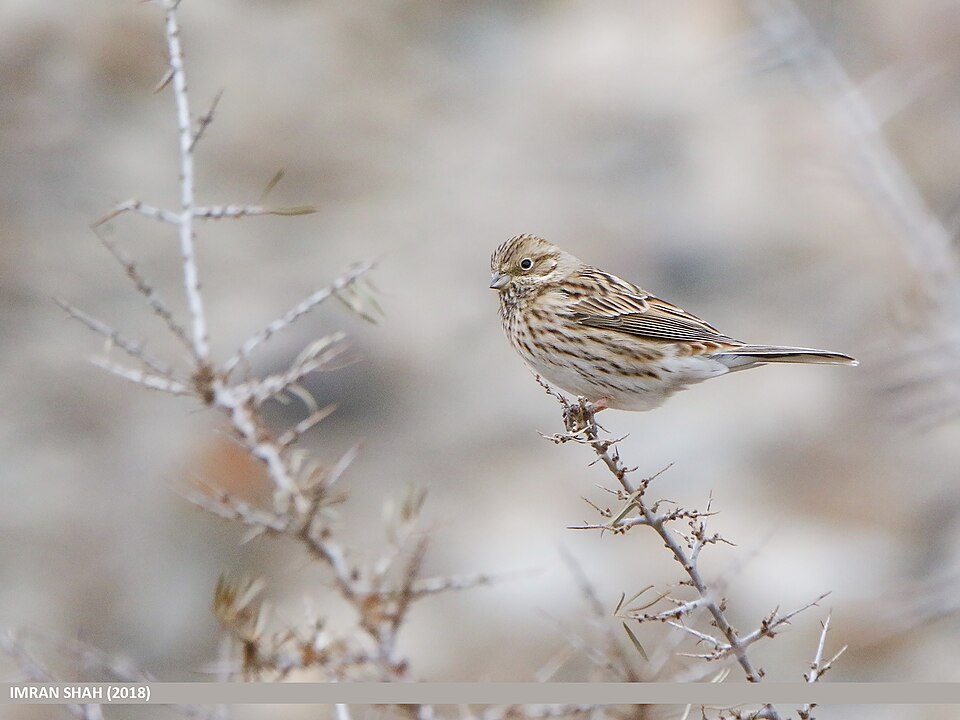
シラガホオジロ (Emberiza leucocephalos) シラガホオジロ
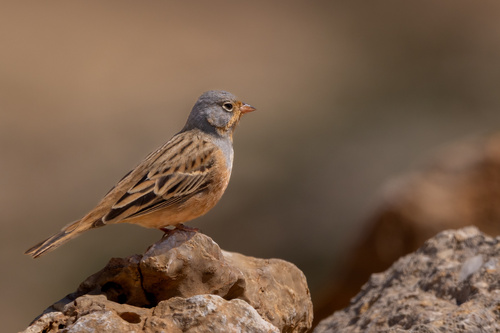
ノドアカホオジロ (Emberiza caesia) ノドアカホオジロ

メディア

読み込み中…

要点

ノドアカホオジロとシラガホオジロの最も信頼できるフィールドマークは、成鳥のオスにおける頭部と腹部の色彩です:シラガホオジロのオスは白い冠と頬、栗色の喉を示し、ノドアカホオジロのオスはオレンジ色の口ひげと錆びたオレンジ色の腹部を持つ灰色の頭を持っています。両種の雌と幼鳥はずっと地味で混乱を招くことがありますが、ノドアカホオジロは通常、温かみのある茶色の尾と白いアイリングを示し、シラガホオジロの雌は腹部がより強く縞模様があり、温かみのある色調が欠けています。飛行中や遠くから見る場合は、頭部のパターンと尾の色に注目することで、最も良い区別ができます。両種は頑丈なホオジロで、太いくちばしを持っていますが、特に繁殖期以外では、構造と羽毛の微妙な違いが重要です。

識別のコツ

  1. Adult male head pattern: シラガホオジロのオスは白い冠と頬、栗色の喉と額を持ち、ノドアカホオジロのオスはオレンジ色の口ひげを持つ灰色の頭を持っています。これは春と初夏の最も良いマークです。
  2. Underparts color (male): シラガホオジロのオスは色が薄く、あまりカラフルでない腹部を持ち、ノドアカホオジロのオスは豊かな錆びたオレンジ色の腹部を示します。
  3. Rump color (all ages): ノドアカホオジロは温かみのある茶色の尾を示し、特に飛行中や羽繕いの際に明らかです;シラガホオジロの尾は明確な色がなく、背中と混ざります。
  4. Eye-ring (female/immature): 雌と幼鳥のノドアカホオジロには目立つ白いアイリングがあり、シラガホオジロにはありません。
  5. Streaking below (female/immature): シラガホオジロの雌と幼鳥は、ノドアカホオジロよりも腹部に強い縞模様があり、温かみがあり、縞模様が少ないように見えます。
  6. Bill color: ノドアカホオジロは繁殖羽毛の際に特にピンクのくちばしを持ち、シラガホオジロのくちばしは特にピンクとは記述されていませんが、太くて種食者の形をしています。
  7. Cheek and throat color (female/immature): シラガホオジロの雌は淡い縞模様の頬と喉を持ち、ノドアカホオジロの温かみのある色調が欠けています。
  8. Non-breeding confusion: 非繁殖羽毛のシラガホオジロは、すべての黄色が白に置き換わったキアオジに似ています;ノドアカホオジロは温かみがあり、特に尾の部分が茶色です。
  9. Hybrid caution: 一部のシラガホオジロは、キアオジとの交雑により初列風切羽に黄色の縁取りを示すことがあります;これはノドアカホオジロには当てはまりませんが、シラガホオジロに純粋な白を期待している場合、識別を混乱させることがあります。
  10. Size and structure: シラガホオジロはやや大きくて頑丈ですが、ノドアカホオジロは小さくて繊細ですが、サイズは両方が一緒に見られない限り微妙な手がかりです。
  11. Habitat context: ユーロシベリアにいる場合、シラガホオジロが期待されます;南東ヨーロッパや地中海の岩だらけの低木地では、ノドアカホオジロがより可能性が高いです。
  12. Flight views: 飛行中は、ノドアカホオジロの温かみのある茶色の尾と白いアイリングを探してください;シラガホオジロは両方の特徴が欠けており、全体的に色が薄く見えます。
  13. Song: 歌っているのが聞こえ、歌がキアオジのようであれば、シラガホオジロの可能性が高いですが、これは現在の情報では強い区別にはなりません。
  14. Back streaking: 両種は濃い茶色の背中に強い縞模様があるため、これは区別に役立つマークではありません。
  15. Pitfall: 両種の雌と幼鳥は非常に似ていることがあるため、これらの年齢での最も安全な区別には尾の色とアイリングに注目してください。

大きさ

両種は中型のホオジロですが、シラガホオジロはノドアカホオジロよりもやや大きくて頑丈です(16–17.5 cm)。ノドアカホオジロはズアオホオジロよりも小さいです(正確な測定は提供されていませんが、一般的に小さくて繊細な外観です)。両方とも太くて種食者の形をしたくちばしを持っていますが、ノドアカホオジロのくちばしはピンクでがっしりしていると記述されています。フィールドでは、サイズの違いは微妙で、並べて見ない限り最も信頼できるマークではありません。

羽色

行動

両種は行動において典型的なホオジロであり、しばしば露出した枝に止まっているか、地面で餌を探しているのが見られます。フィールドでの区別のための情報源には特に行動の違いは記載されていません。両方とも似たような餌の取り方や飛行習慣を示すことがあります。

生息環境

シラガホオジロはウラル山脈の東側のユーロシベリアに生息し、通常は散在する木々のある開けた森林やエッジの生息地に見られます。ノドアカホオジロの生息地はここでは詳しく説明されていませんが、一般的には南東ヨーロッパや東地中海に見られ、しばしば岩だらけの丘や低木地に生息しています。ユーロシベリアにいる場合、シラガホオジロがはるかに可能性が高いです;南東ヨーロッパや地中海では、ノドアカホオジロが期待されます。

声

シラガホオジロの歌と鳴き声はキアオジに似ており、ノドアカホオジロとの区別のための独自の声の違いはここでは記載されていません。これらのメモにはノドアカホオジロの声の説明は提供されていないため、現在の情報に基づいて声は信頼できる区別要因ではありません。

より良い説明を送る

比較と同じ項目を使ってください。文章はすぐに公開されます。

The most reliable field mark between Pine Bunting and Cretzschmar's Bunting is the head and underpart coloration in adult males: Pine Bunting males show a white crown and cheeks with a chestnut throat, while Cretzschmar's Bunting males have a grey head with orange moustaches and rusty orange underparts. Females and immatures of both species are much duller and can be confusing, but Cretzschmar's Bunting typically shows a warm brown rump and a white eye-ring, while Pine Bunting females are more heavily streaked below and lack the warm tones. In flight or at a distance, focus on the head pattern and rump color for the best separation. Both species are robust buntings with thick bills, but subtle differences in structure and plumage are key, especially outside the breeding season.

  1. Adult male head pattern: Pine Bunting males have a white crown and cheeks with a chestnut throat and forehead; Cretzschmar's Bunting males have a grey head with orange moustaches. This is the single best mark in spring and early summer.
  2. Underparts color (male): Pine Bunting males have paler, less colorful underparts, while Cretzschmar's Bunting males show rich rusty orange below.
  3. Rump color (all ages): Cretzschmar's Bunting shows a warm brown rump, especially obvious in flight or when preening; Pine Bunting's rump is not distinctly colored and blends with the back.
  4. Eye-ring (female/immature): Female and immature Cretzschmar's Buntings have a noticeable white eye-ring, lacking in Pine Bunting.
  5. Streaking below (female/immature): Pine Bunting females and immatures are more heavily streaked on the underparts than Cretzschmar's, which appear warmer and less streaked.
  6. Bill color: Cretzschmar's Bunting has a pink bill, especially in breeding plumage, while Pine Bunting's bill is not specifically described as pink but is thick and seed-eater shaped.
  7. Cheek and throat color (female/immature): Pine Bunting females have pale, streaked cheeks and throat, lacking the warm tones of Cretzschmar's.
  8. Non-breeding confusion: In non-breeding plumage, Pine Bunting resembles a Yellowhammer with all yellow replaced by white; Cretzschmar's remains warmer and browner, especially on the rump.
  9. Hybrid caution: Some Pine Buntings may show yellow fringes on the primaries due to hybridization with Yellowhammer; this does not apply to Cretzschmar's Bunting, but can confuse identification if expecting pure white in Pine Bunting.
  10. Size and structure: Pine Bunting is slightly larger and more robust; Cretzschmar's is smaller and more delicate, but size is a subtle clue unless both are seen together.
  11. Habitat context: If in Eurosiberia, Pine Bunting is expected; in southeast Europe or Mediterranean rocky scrub, Cretzschmar's is more likely.
  12. Flight views: In flight, look for the warm brown rump and white eye-ring of Cretzschmar's; Pine Bunting lacks both features and appears paler overall.
  13. Song: If heard singing and the song is Yellowhammer-like, Pine Bunting is more likely, but this is not a strong separator with current information.
  14. Back streaking: Both species have heavily streaked brown backs, so this is not a useful mark for separation.
  15. Pitfall: Females and immatures of both species can be very similar; focus on rump color and eye-ring for the safest separation in these ages.

Both species are medium-sized buntings, but Pine Bunting is slightly larger and more robust (16–17.5 cm) compared to Cretzschmar's Bunting, which is smaller than Ortolan Bunting (exact measurement not provided, but generally smaller and more delicate in appearance). Both have thick, seed-eater bills, though Cretzschmar's Bunting's bill is described as pink and stout. In the field, size difference is subtle and not the most reliable mark unless seen side by side.

  • Juvenile/First-winter/Immature: No detailed wing pattern or upperwing marks are described for either species at these ages, so separation relies on general coloration and streaking. Cretzschmar's Bunting immatures and females show a weaker head pattern but are distinguished by a warm brown rump and a white eye-ring. Pine Bunting females and immatures are more heavily streaked below and lack the warm brown rump, appearing overall paler and colder.

  • Adult male breeding: Pine Bunting males have a striking white crown and cheeks, chestnut forehead and throat, and a heavily streaked brown back. Cretzschmar's Bunting males have a grey head with orange moustaches, brown streaked upperparts except for the rump, and rusty orange underparts. The rump is a key difference: brown and warm in Cretzschmar's, not distinctive in Pine Bunting.

  • Non-breeding: Pine Bunting in non-breeding plumage resembles Yellowhammer but with all yellow replaced by white. Cretzschmar's Bunting females and non-breeding birds remain warmer overall, especially on the rump, and retain the white eye-ring.

Both species are typical buntings in behavior, often seen perched on exposed branches or foraging on the ground. No distinctive behavioral differences are noted in the sources for field separation. Both may show similar feeding and flight habits.

Pine Bunting is found in Eurosiberia east of the Urals, typically in open woodland or edge habitats with scattered trees. Cretzschmar's Bunting's habitat is not detailed here, but it is generally found in southeast Europe and the eastern Mediterranean, often in rocky hillsides and scrub. If you are in Eurosiberia, Pine Bunting is far more likely; in southeast Europe or the Mediterranean, expect Cretzschmar's Bunting.

Pine Bunting's song and calls are similar to Yellowhammer, with no unique vocal differences described here for separation from Cretzschmar's Bunting. No vocal description is provided for Cretzschmar's Bunting in these notes, so voice is not a reliable separator based on current information.

変更を破棄しますか?

保存していない編集があります。今離れると失われます。

シラガホオジロ · ノドアカホオジロ · 苦手な鳥