

Musduif vs Antilliaanse treurduif
Columbina passerina versus Zenaida aurita
Speel een quiz met Musduif en Antilliaanse treurduif
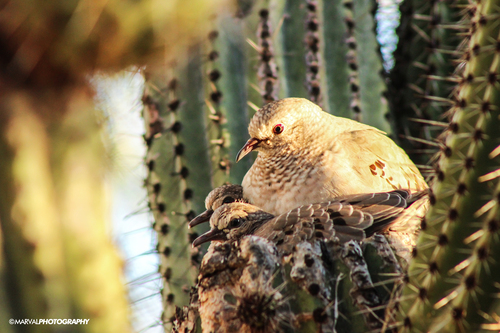 Musduif
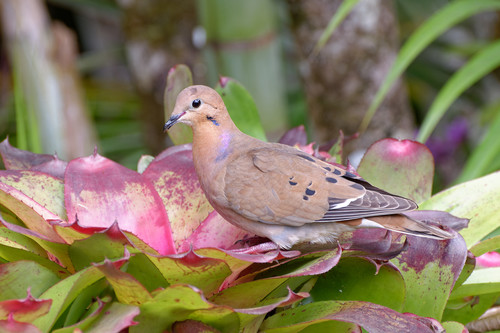 Antilliaanse treurduif
Kort gezegd
De meest betrouwbare manier om Musduif van Antilliaanse treurduif te onderscheiden, is op basis van grootte en structuur: Musduif is uitzonderlijk klein, nauwelijks de helft van de lengte en een fractie van de massa van Antilliaanse treurduif. In de vlucht flitst Musduif met kastanjebruine vleugelpanelen en randen, terwijl Antilliaanse treurduif een witte achterrand van de vleugel toont - deze kenmerken zijn zichtbaar bij volwassen en onvolwassen vogels. Zittend is Musduif compact met een korte staart en schubachtige kop/borst, terwijl Antilliaanse treurduif veel robuuster, met een langere staart is en het schubachtige patroon mist. Stem, habitat en gedrag verschillen ook, maar grootte en vluchtkenmerken zijn meestal doorslaggevend.
Herkenningstips
- Grootte is het meest beslissende kenmerk: Musduif is klein - minder dan de helft van de lengte en een kwart van de massa van Antilliaanse treurduif. Als de vogel eruitziet als een mus, is het een Musduif; als het eruitziet als een duif, is het Antilliaanse treurduif. Dit geldt voor alle leeftijden en geslachten.
- Vluchtkenmerken: Let op kastanjebruine primaire veren en vleugelranden bij Musduif wanneer deze opvliegt; Antilliaanse treurduif toont nooit kastanjebruin, maar flitst in plaats daarvan met een witte achterrand van de vleugel. Deze kenmerken zijn zichtbaar bij zowel volwassen als onvolwassen vogels en zijn het beste te zien in fel licht of wanneer vogels worden geschrokken.
- Staartvorm en -lengte: Musduif heeft een zeer korte staart, die nauwelijks uitsteekt voorbij de vleugels wanneer deze zit. Antilliaanse treurduif's staart is veel langer en ronder, vaak duidelijk zichtbaar in de vlucht en wanneer deze zit.
- Kop- en borstpatroon: Alleen Musduif heeft een schubachtige uitstraling op de kop en bovenborst, door de bleke veerranden. Antilliaanse treurduif's kop en borst zijn glad en uniform.
- Snavelkleur: Musduif heeft een gele snavel met een zwarte punt (de meeste ondersoorten), terwijl Antilliaanse treurduif's snavel donker is zonder geel.
- Algemene kleur: Antilliaanse treurduif is over het algemeen donkerder en meer uniform bruinachtig, terwijl Musduif bleker is, vooral bij mannetjes. Ondersoortenvariatie kan dit beïnvloeden, maar het verschil is meestal duidelijk.
- Seksueel dimorfisme: Mannelijke Musduiven hebben een leigrijze kroon en roze onderdelen; vrouwtjes zijn grijsder. Antilliaanse treurduif vertoont weinig seksueel verschil in het veld.
- Jizz en houding: Musduif is compact, met een korte nek, en vaak laag bij de grond. Antilliaanse treurduif staat hoger, is robuuster, en lijkt meer rechtop.
- Gedrag: Musduif is bijna altijd op de grond, beweegt met een snelle, schuifelende loop. Antilliaanse treurduif foerageert op de grond maar zit vaker in bomen en struiken en is waarschijnlijker om naar een hoge zitplaats te vliegen.
- Habitatcontext: Als je je in een droge, open of onkruidige omgeving in het zuiden van de VS of het Caribisch gebied bevindt, is de kans groot dat je een Musduif ziet. In nattere, meer begroeide of stedelijke gebieden, vooral nabij water, is de kans groter dat je een Antilliaanse treurduif ziet.
- Vocalisaties: Luister naar de zachte, oplopende 'whoop'-geluiden van Musduif versus Antilliaanse treurduif's snellere, treurige gekoer. Als je een duivenroep hoort die hoger en repetitief is, vermoed dan Musduif.
- Groepsgrootte: Musduif is meestal alleen of in paren; Antilliaanse treurduif kan in grotere groepen voorkomen, vooral nabij water of voedselbronnen.
- Verwarring met Treurduif: Als je vermoedt dat het een Treurduif is, onthoud dan dat Antilliaanse treurduif kleiner en donkerder is, maar nog steeds veel groter dan Musduif.
- Ondersoortenvariatie: Wees je ervan bewust dat sommige ondersoorten van Musduif donkerder kunnen zijn of meer wit op de buik kunnen hebben, maar de structurele en vluchtkenmerken blijven betrouwbaar.
- Wanneer kenmerken falen: In slecht licht of op grote afstand, vertrouw eerst op grootte en jizz, dan op habitat en gedrag. Als de vogel opvliegt, geef prioriteit aan het vleugel- en staartpatroon.
Grootte
Musduif is een van de kleinste duiven ter wereld, met een lengte van slechts 15–18 cm en een gewicht van 26–40 g [wikipedia]. In tegenstelling tot Antilliaanse treurduif, die veel groter is - bijna twee keer zo lang met 28–30 cm, en een lichaamsgewicht van 159 g [wikidata]. In het veld is dit formaatverschil opvallend: Antilliaanse treurduif is duifgroot, terwijl Musduif musgroot is. Zelfs op afstand of in gemengde groepen lijkt de Musduif klein en compact, terwijl Antilliaanse treurduif robuust en lang van lichaam is.
Verenkleed
-
In vlucht (alle leeftijden): Musduif toont kastanjebruine primaire veren en vleugelranden, niet zichtbaar wanneer deze zit, maar duidelijk wanneer de vogel opvliegt. Antilliaanse treurduif mist kastanjebruin in de vleugel, maar toont in plaats daarvan een kenmerkende witte achterrand van de vleugel, een belangrijk kenmerk in de vlucht voor zowel volwassen als onvolwassen vogels.
-
Zittend: Musduif heeft een schubachtig patroon op de kop en bovenborst (door veerranden), een gele snavel met een zwarte punt, en een zeer korte staart die overeenkomt met de rugkleur. Antilliaanse treurduif mist het schubachtige patroon, heeft een langere, meer ronde staart, en is over het algemeen donkerder, zonder geel op de snavel.
-
Seks-/leeftijdsverschillen: Mannelijke Musduiven hebben een leigrijze kroon en roze-grijze buik, terwijl vrouwtjes grijzer en gelijkmatiger gekleurd zijn. Antilliaanse treurduif vertoont minder seksueel dimorfisme in het veld. Variatie tussen ondersoorten kan de donkerheid en snavelkleur beïnvloeden, maar de kernkenmerken blijven betrouwbaar.
Gedrag
Musduif brengt het grootste deel van zijn tijd door met lopen op de grond, vaak in open, onkruidige gebieden of kale plekken, en wordt meestal alleen of in paren gezien. De vlucht is laag en direct, met snelle vleugelslagen en een snelle terugval naar dekking. Antilliaanse treurduif foerageert ook op de grond, maar wordt waarschijnlijker in groepen gezien, vooral nabij water of in open struikgewas, en maakt langere, sterkere vluchten met een meer duifachtige, krachtige jizz. Antilliaanse treurduif is minder strikt terrestrisch en zal gemakkelijker in bomen en struiken zitten.
Habitat
Musduif geeft de voorkeur aan open, droge of onkruidige habitats - velden, bermen, struikgewas en verstoord terrein - vooral in het zuiden van de VS, het Caribisch gebied en het noorden van Zuid-Amerika. Het vermijdt dichte bossen en wordt zelden ver van open grond aangetroffen. Antilliaanse treurduif is wijdverspreid in het Caribisch gebied en Yucatan, en gebruikt een breder scala aan open en semi-open habitats, waaronder kustvlakten, mangroven, stranden, stadsparken en zelfs hogere gebieden op sommige eilanden. Antilliaanse treurduif is waarschijnlijker in nattere of meer begroeide gebieden en past zich goed aan stedelijke en agrarische omgevingen aan.
Geluid
Musduif geeft een zachte, repetitieve reeks oplopende 'whoop'-geluiden, die behoorlijk onderscheidend en hoger van toon zijn dan het diepe, treurige gekoer van Antilliaanse treurduif. De roep van Antilliaanse treurduif is een snelle, treurige 'cooOOoo-coo-coo-coo', vergelijkbaar met Treurduif maar sneller. Hoewel beide vocaal zijn, zijn hun roepen behoorlijk verschillend in ritme en toon als ze goed worden gehoord.