

Vuuroogmonjita vs Grijze monjita
Pyrope pyrope versus Nengetus cinereus
Speel een quiz met Vuuroogmonjita en Grijze monjita
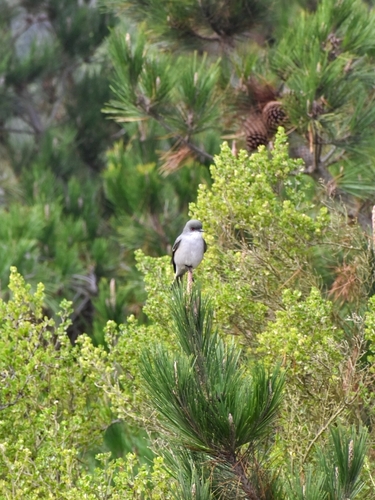 Vuuroogmonjita
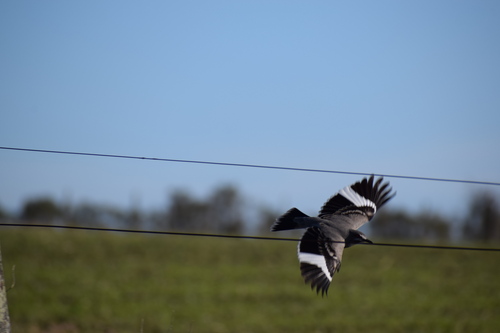 Grijze monjita
Kort gezegd
Het meest betrouwbare veldkenmerk tussen Vuuroogmonjita en Grijze monjita is het sterke witte vleugel- en staartpatroon van de Grijze monjita, vooral duidelijk in de vlucht, versus de veel eenvoudigere, donkergrijze vleugels en staart van de Vuuroogmonjita. Beide soorten hebben een helderrode iris als volwassenen, maar de gedurfde witte gezichtsmarkeringen en vleugelflitsen van de monjita steken af tegen de meer uniforme grijs van de Diucon. Juvenielen van beide soorten missen het rode oog, maar de monjita toont nog steeds meer wit in de vleugels en staart. Structuur en grootte verschillen ook: Grijze monjita is robuuster en langer, met een zwaardere bouw en langere staart. Gebruik eerst het vleugel- en staartpatroon, vooral voor vogels in de vlucht of op afstand.
Herkenningstips
-
Wit vleugel- en staartpatroon (alle leeftijden, vooral in de vlucht): Grijze monjita toont gedurfde witte bases aan de primaire vleugels, witte getipte vleugelbedekkingen, en een zwarte staart met brede witte tips, wat een opvallend contrast creëert in de vlucht en vaak zichtbaar is in rust. Vuuroogmonjita mist deze kenmerken, met eenvoudige donkergrijze vleugels met alleen lichte grijze randen en een staart met alleen iets lichtere tips.
-
Gezichtspatroon (volwassenen): Grijze monjita heeft een brede witte supercilium (wenkbrauw), een dunne witte snor, en een brede zwarte malarstreep, wat het een sterk gemarkeerd gezicht geeft. Het gezicht van Vuuroogmonjita is uniform donkergrijs zonder sterke markeringen.
-
Onderdelen: De keel en buik van de monjita zijn helder wit, met een schone scheiding van de asgrijze borst. De keel van de Diucon is licht asgrijs met vage strepen, de borst is donkerder asgrijs, en de buik is alleen grijsachtig wit, nooit zo schoon wit als de monjita.
-
Iris kleur (volwassenen): Beide soorten hebben een helderrode iris als volwassenen, dus dit helpt niet om ze te scheiden. Juvenielen van beide hebben een bruine iris.
-
Juveniele verenkleed: Juveniele monjita is nog steeds gemarkeerd zoals de volwassene, met wit in de vleugels en staart, terwijl de juvenile Diucon eenvoudig is en sterke witte markeringen mist.
-
Grootte en structuur: Monjita is groter en zwaarder, met een langere staart en robuustere bouw. Diucon is kleiner en compacter. Dit is het nuttigst wanneer beide soorten samen worden gezien, of met ervaring.
-
Snavel en poten: Beide hebben zwarte snavels en poten, niet nuttig voor scheiding.
-
Zittende houding: Monjita zit vaak rechtop en opvallend in open gebieden, terwijl Diucon meer terughoudend kan zijn en in struikachtige of oeverhabitats wordt aangetroffen.
-
Vlucht vertoning: De vertoning van de monjita is een lusvormige, golvende vlucht van en terug naar een zitplaats. De vertoning van de Diucon is een hoge, langzame, stille vlucht.
-
Habitat context: In Argentinië en Chili is Diucon waarschijnlijker in struikachtige of oevergebieden; monjita geeft de voorkeur aan open velden en savannes. Buiten Argentinië/Chili is een 'Diucon' bijna zeker een monjita.
-
Staartpatroon in rust: De staart van de monjita toont witte tips, zelfs wanneer hij zit, terwijl de staart van de Diucon meer uniform donkergrijs is met alleen iets lichtere tips.
-
Vleugelpaneel in rust: De witte bases aan de primaire vleugels en witte getipte bedekkingen van de monjita kunnen een licht vleugelpaneel creëren, zelfs wanneer niet in de vlucht; de vleugels van de Diucon blijven donker en eenvoudig.
-
Valstrik – rood oog: Vertrouw niet alleen op de rode iris, aangezien beide soorten deze als volwassenen delen. Voor juvenielen helpt het ontbreken van het rode oog niet om ze te scheiden.
-
Valstrik – algemene grijsheid: Beide zijn grijze vliegenvangers, maar monjita is veel scherper gemarkeerd met witte en zwarte contrasten, terwijl Diucon over het algemeen eenvoudiger en donkerder is.
-
Seizoensvariatie: Er is geen significante seizoensverandering in het verenkleed opgemerkt voor beide soorten; leeftijd en vleugel/staartpatroon zijn belangrijker voor scheiding.
Grootte
Grijze monjita is duidelijk groter en zwaarder dan Vuuroogmonjita. De monjita meet 21–25 cm in lengte en weegt 50–62 g, terwijl de Diucon 18,5–21,5 cm en 31–50 g is. Dit grootteverschil is vaak zichtbaar in het veld, waarbij de monjita robuuster en met een langere staart lijkt. Echter, de overlap aan de kleine kant van de monjita en de grote kant van de Diucon betekent dat grootte alleen niet altijd diagnostisch is, vooral als ze alleen of op afstand worden gezien.
Verenkleed
-
Juveniele/onvolwassen vogels: Beide soorten hebben een bruinachtige tint in het grijs en missen de rode iris van de volwassene, maar de Grijze monjita toont al zijn kenmerkende witte vleugelbases en staarttips, die zichtbaar zijn in de vlucht en vaak in rust. De juvenile Diucon is eenvoudiger, met een bruine iris en geen sterke witte in de vleugels of staart.
-
Volwassenen: Grijze monjita is opvallend gemarkeerd met een brede witte supercilium (wenkbrauw), dunne witte snor, en een brede zwarte malarstreep, plus zwarte vleugels met brede witte bases aan de primaire vleugels (wat een gedurfde witte paneel in de vlucht creëert), witte getipte vleugelbedekkingen, en een zwarte staart met brede witte tips. Vuuroogmonjita is veel uniformer: donkergrijze kroon en bovenkant, zwartachtige vleugels met alleen lichte grijze randen aan de binnenste remiges, en een donkergrijze staart met alleen iets lichtere buitenveren en tips. De keel van de Diucon is licht asgrijs met vage strepen, de borst donkerder asgrijs, en de buik/vent grijsachtig wit tot wit. De onderdelen van de monjita zijn over het algemeen witter, vooral de keel en buik.
-
Iris: Beide volwassenen hebben een helderrode iris, maar dit is niet nuttig om ze van elkaar te scheiden. Juvenielen van beide soorten hebben een bruine iris.
Gedrag
Beide soorten zijn zit-en-spring vliegenvangers, vaak gezien terwijl ze van een zitplaats naar de grond vallen of naar buiten springen om insecten te vangen. Grijze monjita heeft de neiging om opvallender te zijn, vaak zittend in open gebieden en maakt lusvormige, golvende vertoningsvluchten. Vuuroogmonjita wordt waarschijnlijker alleen of in paren gevonden, soms nabij oevervegetatie, en zijn vertoningsvlucht is hoog en langzaam-vleugelig maar stil. Monjita kan een breder scala aan zitplaatsen gebruiken, inclusief blootgestelde takken en zelfs gaten in bomen voor het nestelen.
Habitat
Beide soorten overlappen in Argentinië en kunnen worden gevonden in open land, maar hun bredere verspreidingen verschillen: Vuuroogmonjita is beperkt tot Argentinië en Chili (met zeldzame dwaalbeweging naar de Falklandeilanden), terwijl Grijze monjita veel wijdverspreider is in Zuid-Amerika, gevonden in Argentinië, Bolivia, Brazilië, Paraguay, Peru, Suriname en Uruguay. In gebieden van overlap is Diucon meer geassocieerd met struikachtige gebieden en oevervegetatie, terwijl monjita de voorkeur geeft aan open habitats en waarschijnlijker in open velden of savannes wordt gezien.