

Australische smaragdduif vs Grijsborstpatrijsduif
Chalcophaps longirostris versus Pampusana beccarii
Speel een quiz met Australische smaragdduif en Grijsborstpatrijsduif
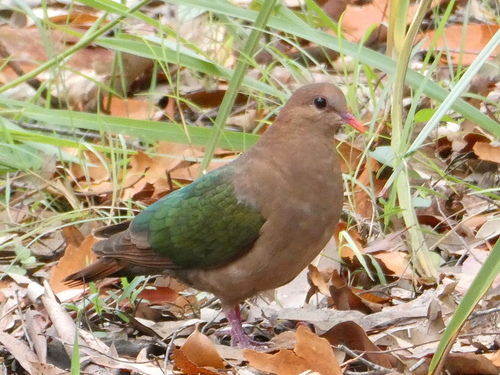 Australische smaragdduif
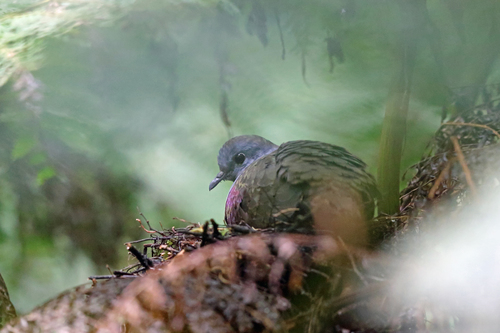 Grijsborstpatrijsduif
Kort gezegd
Het meest betrouwbare veldkenmerk om de Australische smaragdduif van de Grijsborstpatrijsduif te scheiden, is de combinatie van heldergroene bovenkant en brede zwart-witte strepen op de onderrug, zichtbaar in de vlucht bij de Australische smaragdduif, versus het ontbreken van zo'n levendig groen en de strepen bij de Grijsborstpatrijsduif. Onvolwassen Australische smaragdduiven vertonen bruine schubben op de vleugel en het lichaam, een kenmerk dat niet is beschreven voor de Grijsborstpatrijsduif. De Australische smaragdduif is groter, meer terrestrisch en wordt vaak gezien terwijl hij op de grond loopt in open gebieden van dichte bossen, terwijl de Grijsborstpatrijsduif typisch kleiner en minder opvallend is. Als je een gedrongen, middelgrote duif met een helderrode snavel, smaragdgroene vleugels en de neiging om te lopen in plaats van op te vliegen ziet, is het waarschijnlijk de Australische smaragdduif.
Herkenningstips
- Onvolwassen Australische smaragdduif vertoont bruine schubben op lichaam en vleugelbedekking—als je dit ziet, vooral op een groenvleugelige vogel, is het geen Grijsborstpatrijsduif.
- In de vlucht, let op brede zwart-witte strepen op de onderrug van de Australische smaragdduif; de Grijsborstpatrijsduif heeft deze niet.
- Heldere smaragdgroene bovenkant en vleugels zijn diagnostisch voor de Australische smaragdduif in alle verenkleedbeurten, behalve de jongste juvenielen; de Grijsborstpatrijsduif is nooit zo groen.
- Volwassen mannelijke Australische smaragdduif heeft een grijze kroon en een witte schoudervlek; geen van beide kenmerken is aanwezig bij de Grijsborstpatrijsduif.
- Vrouwtjes en onvolwassen Australische smaragdduiven zijn bruiner maar vertonen nog steeds groen op de vleugels; de Grijsborstpatrijsduif zal zowel het groen als de schoudermarkeringen missen.
- De Australische smaragdduif heeft een helderrode snavel en roestkleurige poten/voeten—nuttig van dichtbij of bij goed licht.
- De Australische smaragdduif is robuuster en langer (23–28 cm) dan de Grijsborstpatrijsduif; de grootte kan worden beoordeeld als beide soorten samen worden gezien of met ervaring.
- De Australische smaragdduif loopt vaak op de grond in het open veld of aan de randen van het bos, terwijl de Grijsborstpatrijsduif meer geheimzinnig is en minder waarschijnlijk te zien is terwijl hij in open gebieden loopt.
- De vlucht van de Australische smaragdduif is snel, recht en laag, met buff ondervleugels en kastanjebruine vluchtveren; de vlucht van de Grijsborstpatrijsduif is niet beschreven maar mist het groen en de strepen.
- Als je een lage, stijgende koerende sequentie of nasale 'hoo-hoo-hoon' hoort, is het de Australische smaragdduif; het roepen van de Grijsborstpatrijsduif is hier niet beschreven.
- De Australische smaragdduif is over het algemeen tam en benaderbaar; als een op de grond levende duif een nauwe benadering toestaat, is het waarschijnlijk deze soort.
- Controleer de context: de Australische smaragdduif gebruikt een breed scala aan habitats, waaronder tuinen en mangroven; de Grijsborstpatrijsduif is waarschijnlijker in dichte, ongestoorde bossen.
- Staart- en vluchtveren van de Australische smaragdduif zijn zwartachtig; let op het contrast met de groene rug bij gezeten vogels.
- Mannetjes van de Australische smaragdduif voeren een bobbelende dans uit tijdens het courtship—als je dit gedrag ziet, is het diagnostisch.
- Als je twijfelt, concentreer je dan op de combinatie van groene bovenkant, rode snavel en terrestrische gewoonten voor de Australische smaragdduif; het ontbreken van deze kenmerken moet voorzichtigheid en verdere inspectie oproepen.
Grootte
De Australische smaragdduif is een gedrongen, middelgrote duif, typisch 23–28 cm lang [wikipedia]. De Grijsborstpatrijsduif is kleiner, maar exacte metingen worden niet gegeven in de beschikbare notities. In het veld zal de Australische smaragdduif merkbaar robuuster en langer lijken dan de Grijsborstpatrijsduif, met een robuustere bouw en proportioneel langere staart.
Verenkleed
- Onvolwassen/juviele vogels: Onvolwassen Australische smaragdduiven lijken op vrouwtjes maar vertonen kenmerkende bruine schubben op het lichaam en de vleugelbedekking, een kenmerk dat niet is beschreven voor de Grijsborstpatrijsduif. Deze schubben zijn een sterke aanwijzing voor de Australische smaragdduif bij jonge vogels.
- Volwassen mannetjes: Mannetjes van de Australische smaragdduif hebben een heldergroene rug en vleugels, een grijze kroon en een witte vlek op de schouder. De Grijsborstpatrijsduif mist deze levendige groene bovenkant en de witte schoudervlek.
- Volwassen vrouwtjes: Vrouwelijke Australische smaragdduiven zijn bruiner dan mannetjes, met een grijze markering op de schouder, maar vertonen nog steeds groen op de vleugels. Vrouwelijke Grijsborstpatrijsduiven worden niet in detail beschreven, maar het ontbreken van groen en schoudermarkeringen wordt verwacht.
- Vlucht: In de vlucht vertoont de Australische smaragdduif een buff ondervleugel, kastanjebruine vluchtveren, zwartachtige staart en brede zwart-witte strepen op de onderrug—deze zijn niet aanwezig bij de Grijsborstpatrijsduif. De algehele indruk van groen en sterke strepen is uniek voor de Australische smaragdduif.
- Snavel en poten: De Australische smaragdduif heeft een helderrode snavel en roestkleurige poten en voeten, die niet zijn beschreven voor de Grijsborstpatrijsduif maar kenmerkend zijn in het veld.
Gedrag
De Australische smaragdduif is behoorlijk terrestrisch, loopt vaak op de grond op zoek naar gevallen fruit en is over het algemeen tam en benaderbaar. Hij geeft de voorkeur aan weglopen in plaats van vliegen wanneer hij wordt verstoord, en wanneer hij wel vliegt, beweegt hij vaardig door dichte bossen. Het gedrag van de Grijsborstpatrijsduif is niet gedetailleerd in de beschikbare notities, maar hij is over het algemeen minder opvallend en minder waarschijnlijk te zien terwijl hij in het open veld loopt. Als je een duif ziet die zelfverzekerd over de bosbodem loopt, vooral in meer open gebieden, is de kans groter dat het de Australische smaragdduif is.
Habitat
De Australische smaragdduif bewoont regenwoud, dichte natte bossen, boerderijen, tuinen, mangroven en kustheiden, vaak in gebieden met stukken dichte dekking maar ook in meer open, verstoorde habitats. De habitat van de Grijsborstpatrijsduif wordt niet beschreven in de notities, maar hij is over het algemeen meer beperkt tot dichte bossen en minder waarschijnlijk te vinden in open of randhabitats in vergelijking met de Australische smaragdduif.
Geluid
De Australische smaragdduif geeft een lage, zachte, jammerende koer van ongeveer zes tot zeven noten, die stil begint en stijgt, evenals een nasale 'hoo-hoo-hoon.' De vocalisaties van de Grijsborstpatrijsduif zijn niet beschreven in de beschikbare notities, dus de stem is alleen diagnostisch als je het kenmerkende koeren van de Australische smaragdduif hoort.
Australische smaragdduif · Grijsborstpatrijsduif · Mijn lastige vogels