

african yellow-warbler vs mountain yellow-warbler
Iduna natalensis versus Iduna similis
Jogue um quiz com african yellow-warbler e mountain yellow-warbler
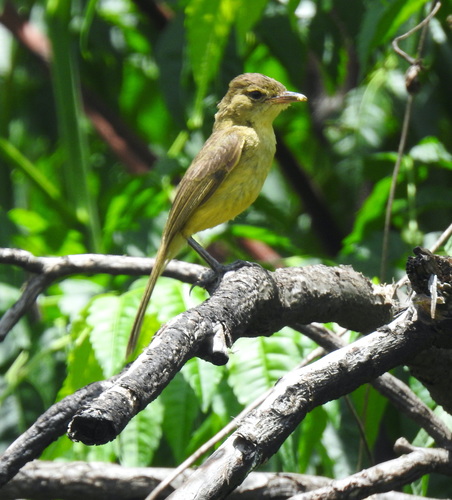 african yellow-warbler
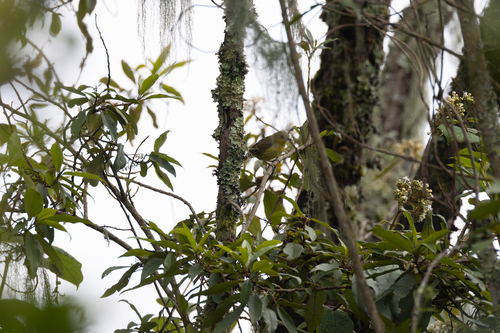 mountain yellow-warbler
Em resumo
A marca de campo mais confiável entre african yellow-warbler e mountain yellow-warbler é o tom e a distribuição de oliva versus amarelo nas partes superiores: african yellow-warbler apresenta partes superiores marrom-amareladas com um rabo mais amarelo e uma coroa marrom, enquanto mountain yellow-warbler tem uma cabeça e costas verde-oliva mais uniformes. Ambas as espécies têm partes inferiores amarelas brilhantes, mas african yellow-warbler frequentemente apresenta uma lavagem oliva nas laterais e na barriga inferior, enquanto o amarelo de mountain yellow-warbler é mais vibrante e menos lavado. A cor e a estrutura do bico também ajudam: african yellow-warbler tem um maxilar superior pálido e inferior escuro, enquanto o bico de mountain yellow-warbler é curto e uniformemente marrom-escuro. Os juvenis de ambas são mais apagados, mas os imaturos de mountain yellow-warbler são notavelmente mais marrons e mais pálidos por baixo. No campo, concentre-se na impressão geral de oliva versus amarelo nas partes superiores e na cor do bico para a separação mais consistente.
Dicas de identificação
- Cor das partes superiores (todas as idades): African yellow-warbler tem partes superiores marrom-amareladas com um rabo mais amarelo e uma coroa ligeiramente mais marrom, enquanto a cabeça e as costas de mountain yellow-warbler são de um verde-oliva mais uniforme. Esta é a marca de campo mais consistente em aves empoleiradas.
- Cor das partes inferiores: Ambas as espécies têm partes inferiores amarelas brilhantes, mas african yellow-warbler frequentemente apresenta uma lavagem oliva nas laterais do peito, flancos e barriga inferior, tornando o amarelo menos puro. O amarelo de mountain yellow-warbler é mais vibrante e não lavado.
- Cor e estrutura do bico: O bico de african yellow-warbler é pálido acima e escuro abaixo, enquanto o bico de mountain yellow-warbler é muito curto e uniformemente marrom-escuro. A cor do bico pode ser difícil de ver à distância, mas é diagnóstica em distâncias curtas.
- Plumagem juvenil: Os juvenis de mountain yellow-warbler são mais marrons acima e mais pálidos abaixo do que os adultos, enquanto os juvenis de african yellow-warbler são versões mais amareladas do adulto, mas ainda mostram o contraste marrom-amarelado/amarelo. Se a ave parecer especialmente marrom e pálida, é mais provável que seja mountain.
- Diferenças sexuais: As fêmeas de african yellow-warbler são mais apagadas por baixo, mas isso é sutil. Mountain yellow-warbler apresenta pouco dimorfismo sexual; ambos os sexos se parecem.
- Cor das pernas: African yellow-warbler tem pernas escuras, enquanto a cor das pernas de mountain yellow-warbler não é especificada, mas é improvável que seja tão escura quanto a de african yellow-warbler.
- Visões de voo: Nenhum padrão distinto de asa ou cauda é descrito para qualquer uma das espécies, então não confie em marcas de voo.
- Contexto de habitat: Se você estiver em áreas montanhosas (de alta altitude), mountain yellow-warbler é mais provável. Em habitats de baixa altitude ou mistos, verifique a plumagem cuidadosamente.
- Comportamento: Mountain yellow-warbler é descrito como muito territorial, mas esta não é uma marca de campo confiável a menos que observada ao longo do tempo.
- Comprimento do bico: O bico de mountain yellow-warbler é notavelmente curto para um warbler, o que pode ajudar se você tiver vistas prolongadas.
- Cor da coroa: A coroa de african yellow-warbler é ligeiramente mais marrom do que o resto das partes superiores, enquanto a coroa de mountain yellow-warbler se mistura com as costas verde-oliva.
- Cor do rabo: African yellow-warbler tem um rabo mais amarelo contrastando com o resto das partes superiores; as costas e o rabo de mountain yellow-warbler são mais uniformes.
- Borda das penas das asas: As penas marrons das asas de african yellow-warbler têm bordas amarelas, mas isso é sutil e pode não ser visível no campo.
- Voz: Nenhuma diferença vocal é descrita nas fontes; não confie em canções ou chamadas para separação.
- Impressão geral: Se a ave parecer mais verde-oliva acima e amarela pura abaixo, prefira mountain yellow-warbler. Se parecer marrom-amarelada acima com um rabo mais amarelo e alguma lavagem oliva nas laterais, prefira african yellow-warbler.
Tamanho
Ambas as espécies são warblers de tamanho médio, e não há diferença de tamanho significativa no campo. African yellow-warbler mede cerca de 13 cm de comprimento e pesa 10–15 g [wikipedia], mas nenhuma vantagem de tamanho distinta é notada para mountain yellow-warbler. A estrutura é semelhante, então o tamanho não deve ser confiável para separação.
Plumagem
-
Juvenile/Immature: Ambas as espécies têm plumagem mais apagada, mais marrom e mais pálida como juvenis. Os juvenis de mountain yellow-warbler são especialmente mais marrons acima e mais pálidos abaixo, enquanto os juvenis de african yellow-warbler são versões mais amareladas do adulto, mas ainda mostram partes superiores marrom-amareladas e partes inferiores amarelas. Nenhum padrão distinto de asa superior é descrito para qualquer uma das espécies em qualquer idade, então concentre-se na impressão geral de cor.
-
Adulto (todas as estações): African yellow-warbler: partes superiores marrom-amareladas, coroa ligeiramente mais marrom, rabo mais amarelo, asas marrons com bordas amarelas, partes inferiores amarelas brilhantes com lavagem oliva nas laterais e na barriga inferior. Mountain yellow-warbler: cabeça e costas verde-oliva, partes inferiores amarelas vibrantes, bico muito curto e marrom-escuro. Ambos os sexos são semelhantes em mountain yellow-warbler; as fêmeas de african yellow-warbler são mais apagadas por baixo.
-
Bico e pernas: African yellow-warbler tem um maxilar superior pálido e um maxilar inferior escuro, com pernas escuras. O bico de mountain yellow-warbler é muito curto e uniformemente marrom-escuro.
Comportamento
Mountain yellow-warbler é notado por ser muito territorial. Ambas as espécies são insetívoras ativas, mas não há diferenças comportamentais fortes descritas que ajudariam na identificação em campo. O comportamento de alimentação (captura em voo, coleta) e a atividade geral dos warblers são semelhantes.
Habitat
African yellow-warbler não é descrito em detalhes aqui, mas mountain yellow-warbler é especificamente notado como nativo das regiões Afromontanas orientais. Ambas podem ocorrer em habitats semelhantes, mas se você estiver em áreas montanhosas ou de alta altitude, mountain yellow-warbler é mais provável. O habitat é apenas fracamente diagnóstico, a menos que você esteja em um contexto estritamente montanhoso.
african yellow-warbler · mountain yellow-warbler · Minhas aves difíceis