

miudinho vs olho-falso
Myiornis auricularis versus Hemitriccus diops
Jogue um quiz com miudinho e olho-falso
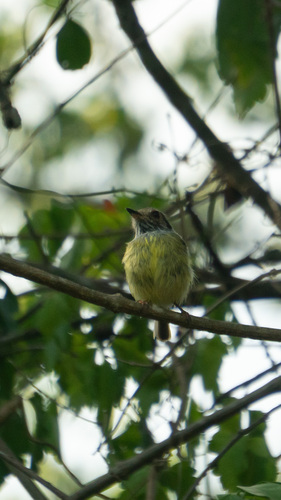 miudinho
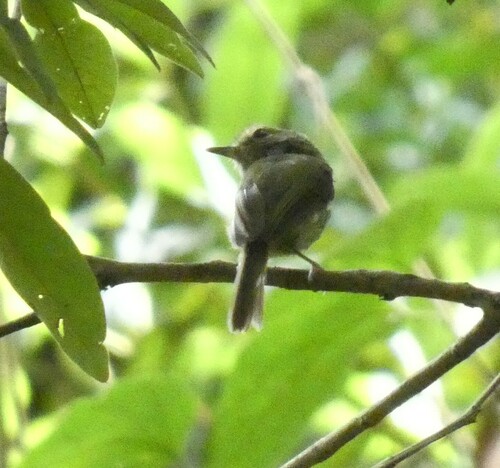 olho-falso
Em resumo
A marca de campo mais confiável para separar o miudinho do olho-falso é o padrão facial dramático do primeiro: procure uma área buffy ao redor do olho, um crescente preto atrás das coberturas auriculares esbranquiçadas e uma mancha preta abaixo do olho. Em contraste, o olho-falso tem um rosto verde-oliva muito mais simples, com apenas uma sutil mancha branca acima das lore e um anel ocular branco. O miudinho também é visivelmente menor e mais compacto, enquanto o olho-falso é maior e mais pesado. Ambas as espécies compartilham faixas e habitats semelhantes, portanto, atenção cuidadosa ao padrão facial e ao tamanho geral é crucial. O padrão das asas não é fortemente diagnóstico para nenhuma das espécies em qualquer idade, então concentre-se na coloração da cabeça e das partes inferiores.
Dicas de identificação
- O padrão facial é a melhor marca de campo: O miudinho sempre apresenta uma área buffy-canela ao redor do olho, um distinto crescente preto atrás das coberturas auriculares esbranquiçadas e uma mancha preta abaixo do olho. O olho-falso tem um rosto verde-oliva simples, com apenas uma sutil mancha branca acima das lore e um anel ocular branco. Este contraste é visível em todas as idades e sexos.
- Cor da coroa e da nuca: O miudinho tem uma coroa verde-oliva brilhante com um tom marrom e nuca/pescoço cinza, enquanto o olho-falso é uniformemente verde-oliva escuro acima.
- Partes inferiores: O miudinho apresenta garganta e peito brancos com finas listras pretas, e partes inferiores brilhantes amarelas com listras oliva. O olho-falso tem uma garganta e peito cinza opaco (às vezes com um tom rosado ou purpúreo), um sutil crescente branco entre o peito e a barriga, e uma barriga/crissum esbranquiçada com um tom amarelo.
- Padrão das asas: O miudinho tem asas escuras com bordas amarelo-oliva brilhantes e duas barras de asa indistintas (geralmente sutis), enquanto as asas do olho-falso são simplesmente verdes-oliva, às vezes com bordas mais claras nas secundárias mais internas, mas sem barras de asa claras. Esta é uma marca menor e nem sempre visível.
- Tamanho e estrutura: O miudinho é muito menor (7–9 cm, ~5 g) e parece muito compacto e com cabeça grande. O olho-falso é maior (11 cm, 9.5–13.5 g) e mais proporcional. Se você ver um pássaro realmente pequeno e com cabeça grande, suspeite do miudinho.
- Cor da íris: O miudinho tem íris laranja; a do olho-falso é marrom-avermelhada. Isso pode ser difícil de ver em campo, mas é consistente.
- Bico e pernas: O miudinho tem um bico escuro e pernas/pés rosados; o olho-falso tem uma maxila cinza, mandíbula rosada e pernas/pés cinza claro. Não é fortemente diagnóstico, exceto em distâncias curtas.
- Contraste facial à distância: Mesmo que você não consiga ver detalhes finos, o rosto do miudinho parece muito mais padronizado e contrastante, enquanto o do olho-falso é simples.
- Sem marcas de asa ou cauda específicas de idade: Nenhuma das espécies tem padrões distintivos de asa ou cauda juvenil ou imatura que ajudem na separação.
- Sem forte separação de habitat: Ambas podem ocorrer em florestas ou bosques semelhantes com sub-bosque denso, incluindo bambu. Não confie apenas no habitat.
- Comportamento: O miudinho pode parecer mais ativo e inquieto, mas isso é sutil e não é um separador confiável.
- Voz: Nenhuma diferença vocal é descrita nas notas disponíveis; não confie em canções ou chamadas para separação.
- Sexos semelhantes: Ambas as espécies têm sexos semelhantes em plumagem, então todas as marcas de campo se aplicam a machos e fêmeas.
- Variação de subespécies: As subespécies do miudinho podem apresentar coberturas auriculares mais claras, mas o padrão facial geral permanece distinto em comparação com o olho-falso.
- Armadilha: Não confunda bordas de asas fracas ou lore pálidas no olho-falso pelo padrão facial ousado do miudinho; este último é sempre muito mais marcante e contrastante.
Tamanho
O miudinho é um dos menores passeriformes, medindo apenas 7–9 cm de comprimento e pesando cerca de 5 g. O olho-falso é significativamente maior, com cerca de 11 cm de comprimento e 9.5–13.5 g de massa [wikipedia][wikidata]. Essa diferença de tamanho é frequentemente visível em campo: o miudinho parece pequeno e com cabeça grande, enquanto o olho-falso parece mais típico para um pequeno tiranídeo. Se vistos juntos ou com espécies de referência conhecidas, a diferença é marcante.
Plumagem
Nenhum padrão de asa ou de voo específico de idade é descrito para nenhuma das espécies, então concentre-se na plumagem adulta e geral. O miudinho de todas as idades e sexos apresenta um padrão facial marcante: buffy-canela ao redor do olho, coberturas auriculares esbranquiçadas com bordas de um crescente preto, e uma mancha preta abaixo do olho. Sua coroa é verde-oliva brilhante com um tom acastanhado, nuca e pescoço cinzas, e costas/roupa verde-oliva brilhante. As asas são escuras com bordas amarelo-oliva e duas barras de asa indistintas. As partes inferiores são brancas na garganta/peito superior com finas listras pretas, e amarelas brilhantes com listras oliva abaixo. O olho-falso é muito mais simples: o rosto é verde-oliva com uma sutil mancha branca acima das lore e um anel ocular branco, coroa/costas/roupa são uniformemente verde-oliva escuro, e asas/cauda são igualmente simples. A garganta e o peito são cinzas opacos com um tom rosado ou purpúreo, separados da barriga esbranquiçada por um sutil crescente branco. O crissum é esbranquiçado com um tom amarelo. A cor da íris difere: laranja no miudinho, marrom-avermelhada no olho-falso. A cor do bico e das pernas não é fortemente diagnóstica, mas pode ajudar em distâncias curtas.
Comportamento
Ambas as espécies forrageiam em vegetação baixa a média, fazendo curtas investidas de poleiros para pegar insetos das folhas. O miudinho é frequentemente descrito como mais ativo e inquieto, movendo-se rapidamente através da folhagem densa, enquanto o olho-falso tende a ser ligeiramente menos frenético. No entanto, as diferenças comportamentais são sutis e não confiáveis para separação em campo.
Habitat
Ambas as espécies ocorrem na Argentina, Brasil e Paraguai, frequentemente em habitats florestais ou de bosque baixos a médios semelhantes. Não há separação de habitat forte nas notas, então o contexto não é um separador confiável. Ambas podem ser encontradas em bambu ou sub-bosque denso, mas isso não é diagnóstico.