

himalayan flameback vs black-rumped flameback
Dinopium shorii versus Dinopium benghalense
Jogue um quiz com himalayan flameback e black-rumped flameback
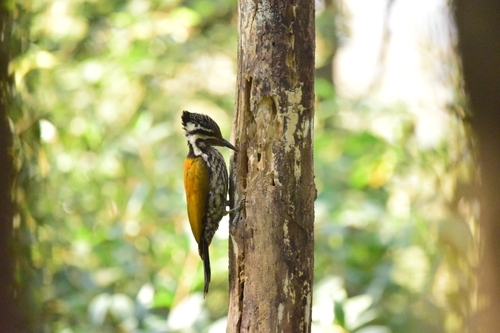 himalayan flameback
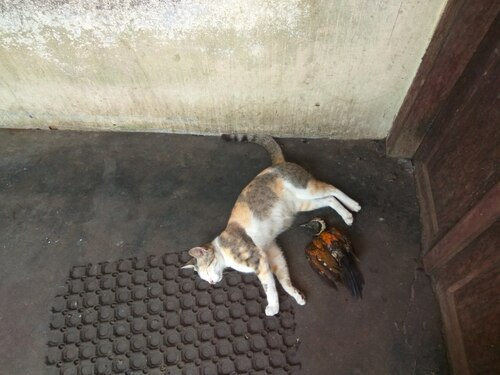 black-rumped flameback
Em resumo
A maneira mais confiável de separar o himalayan flameback do black-rumped flameback é focando na garganta e na região do rabo: o himalayan flameback apresenta uma garganta com centro marrom (às vezes se estendendo até o peito) com manchas pretas irregulares, enquanto o black-rumped flameback sempre tem uma garganta preta bem definida, marcada com branco, e uma região do rabo preta distinta. O himalayan flameback também tem uma nuca preta e uma faixa bigode indistinta, muitas vezes marrom, enquanto o black-rumped não possui faixa bigode escura. Ambas as espécies são semelhantes em aparência geral com costas douradas, mas a atenção cuidadosa a esses detalhes da cabeça e do rabo, juntamente com o contexto do habitat, resolverá a maioria das confusões. As plumagens juvenis e femininas podem ser especialmente complicadas, então procure primeiro o padrão da garganta e do rabo antes de confiar na cor ou no tamanho da crista.
Dicas de identificação
- Padrão da garganta: O himalayan flameback apresenta uma garganta com centro marrom (às vezes avermelhada em machos), frequentemente se estendendo até o peito e bordejada por manchas pretas irregulares. O black-rumped flameback sempre tem uma garganta preta bem definida, marcada com branco. Esta é a marca de campo mais consistente para todas as idades e sexos.
- Cor do rabo: O black-rumped flameback tem um rabo preto (nunca vermelho ou dourado), o que é único entre os pica-paus de costas douradas na região. O himalayan flameback não tem um rabo preto; suas costas e rabo se misturam com os tons dourados ou cobre dos asas.
- Faixa bigode: O himalayan flameback tem uma faixa bigode indistinta, muitas vezes marrom (às vezes avermelhada em machos), enquanto o black-rumped flameback não possui nenhuma faixa bigode escura. Isso é particularmente útil em vistas próximas da cabeça.
- Cor da crista (específica por sexo): O macho do himalayan flameback tem uma testa e crista amarelo-avermelhadas a vermelhas, enquanto a crista da fêmea é totalmente preta com listras brancas. No black-rumped flameback, os machos têm uma coroa e crista vermelhas, mas as fêmeas têm uma forecrown preta com manchas brancas e vermelho apenas na crista traseira. Os jovens do black-rumped se assemelham à fêmea, mas são mais apagados. A cor da crista pode ser útil, mas é variável e se sobrepõe em algumas vistas.
- Nuca: O himalayan flameback tem uma nuca preta, que é menos proeminente ou ausente no black-rumped flameback.
- Cor dos olhos: O himalayan flameback pode apresentar olhos avermelhados ou marrons, mas isso é sutil e nem sempre visível em campo.
- Padrão do peito: O peito do himalayan flameback é irregularmente listrado com preto ou pode ser completamente branco. O black-rumped flameback tem partes inferiores brancas com marcas de chevron escuras, uma aparência mais regular e padronizada.
- Cor das asas: As asas do himalayan flameback são marrom cobre a vermelhas, enquanto o black-rumped flameback tem coberturas de asas amarelo dourado. Em voo, isso pode ser sutil, mas aves empoleiradas podem mostrar a diferença em luz forte.
- Contagem de dedos: Ambas as espécies têm três dedos (pés zygodáctilos), mas isso é notado apenas como uma característica diagnóstica para o himalayan flameback nas fontes. Não é geralmente visível em campo.
- Tamanho do bico: O himalayan flameback tem um bico menor em relação ao tamanho da cabeça comparado ao mais robusto black-rumped flameback, mas essa é uma diferença sutil e nem sempre confiável.
- Tamanho e estrutura: O black-rumped flameback é maior e bulkier, mas a sobreposição de tamanho e a falta de comparação direta tornam isso não confiável para aves solitárias.
- Habitat: O himalayan flameback é encontrado em florestas maduras das encostas himalaicas e evita áreas urbanas. O black-rumped flameback é comum em florestas abertas, terras cultivadas e parques urbanos, raramente em habitats verdadeiramente himalaicos. O contexto pode ajudar, mas cuidado com a sobreposição de áreas nas encostas.
- Comportamento: O black-rumped flameback se adapta bem a ambientes humanos e é frequentemente visto em pares ou pequenos grupos, enquanto o himalayan flameback é mais dependente de florestas e menos provável em ambientes urbanos.
- Voz: Chamadas não são separáveis de forma confiável em campo com base nas descrições atuais, mas a chamada do black-rumped flameback é descrita como um barulho de chocalho, enquanto a do himalayan flameback é uma série mais suave e lenta de "klak-klak-klak".
- Armadilhas: Fêmeas e juvenis de ambas as espécies podem ser confusos, especialmente se a crista não estiver visível. Sempre verifique primeiro o padrão da garganta e do rabo, depois procure a faixa bigode e o contexto do habitat.
Tamanho
Dados diretos de massa estão disponíveis apenas para o black-rumped flameback (110 g [wikidata]), mas o himalayan flameback é descrito como menor em geral com um bico menor. O black-rumped flameback é um grande pica-pau (26–29 cm de comprimento), e em campo, muitas vezes parece mais robusto e volumoso, especialmente em habitats urbanos ou abertos. O himalayan flameback, embora semelhante em forma, é geralmente mais esguio e ligeiramente menor, mas essa diferença é sutil e nem sempre confiável sem comparação direta.
Plumagem
- Aves juvenis/imaturas: Nenhum padrão específico de asa juvenil ou marcas de voo são descritos para ambas as espécies, então a separação depende do padrão da cabeça, garganta e rabo em todas as idades.
- Adultos: O himalayan flameback tem uma nuca preta e uma garganta com centro marrom (às vezes avermelhada em machos), frequentemente se estendendo até o peito e bordejada por manchas pretas irregulares. O peito pode ser irregularmente listrado com preto ou ocasionalmente completamente branco. Suas asas são marrom cobre a vermelhas. Machos têm uma crista amarelo-avermelhada a vermelha, enquanto fêmeas têm uma crista preta e branca listrada. A faixa bigode é indistinta e marrom (às vezes avermelhada em machos).
O black-rumped flameback tem uma garganta preta finamente marcada com branco, um rabo preto (nunca vermelho) e coberturas de asas amarelo dourado. As partes inferiores são brancas com marcas de chevron escuras. A cabeça é esbranquiçada com uma nuca e garganta pretas, e uma mancha ocular acinzentada. Machos têm uma coroa e crista vermelhas; fêmeas têm uma forecrown preta com manchas brancas e vermelho apenas na crista traseira. Jovens se assemelham à fêmea, mas são mais apagados. Não há faixa bigode escura em nenhuma idade ou sexo.
A presença de três dedos (pés zygodáctilos) é compartilhada, mas apenas o himalayan flameback tem isso notado como uma característica diagnóstica nas notas.
Comportamento
Ambas as espécies forrageiam em bandos mistos e são frequentemente vistas se alimentando com outros pica-paus. O black-rumped flameback é mais frequentemente visto em pares ou pequenos grupos, e é conhecido por sua adaptabilidade a ambientes modificados pelo homem, incluindo parques e jardins urbanos. O himalayan flameback é menos estudado, mas tende a se agrupar e se alimentar com outras aves em florestas maduras. Ambas as espécies se alimentam principalmente de insetos, usando o comportamento típico de pica-pau (pulando em troncos, batendo, sondando a casca).
Habitat
O himalayan flameback é principalmente restrito a florestas decíduas ou semi-perenes tropicais e subtropicais maduras nas encostas inferiores a médias do Himalaia, com preferência por florestas de Ficus e Bombax em áreas baixas. É um residente durante todo o ano na região himalaica, Bangladesh, Butão, Índia, Mianmar e Nepal, com uma população disjunta nos Ghats do sudeste. O black-rumped flameback é muito mais disseminado, encontrado em todo o subcontinente indiano em florestas abertas, cultivo e até mesmo áreas urbanas com avenidas arborizadas. Raramente é encontrado acima de 1200 m e está ausente da verdadeira zona himalaica, favorecendo elevações mais baixas e paisagens alteradas pelo homem.
Voz
O himalayan flameback emite uma série de chamadas rapidamente repetidas de "klak-klak-klak-klak-klak", que são mais lentas e suaves do que as do Greater Goldenback. O black-rumped flameback tem uma chamada característica de chocalho e bate frequentemente durante a temporada de reprodução. Diferenças vocais entre essas duas espécies de Dinopium não estão bem descritas nas fontes, então as chamadas não são a marca de campo mais confiável para separação.
himalayan flameback · black-rumped flameback · Minhas aves difíceis