

bufo-mourisco vs maghreb owl
Bubo ascalaphus versus Strix mauritanica
Jogue um quiz com bufo-mourisco e maghreb owl
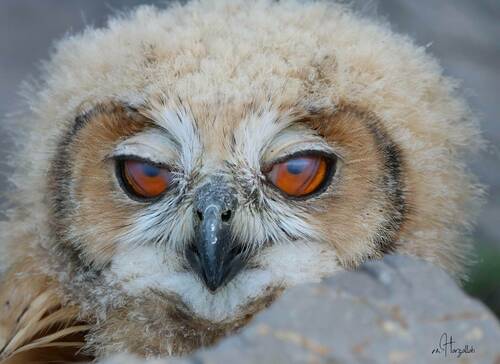 bufo-mourisco
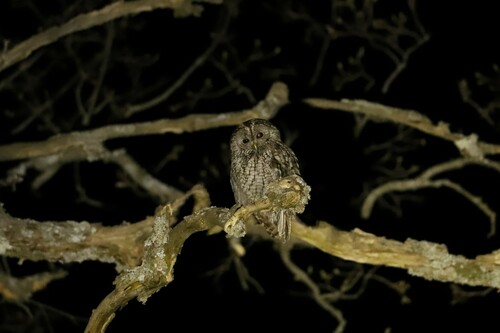 maghreb owl
Em resumo
A marca de campo mais confiável para separar o bufo-mourisco da coruja magreb é a presença de tufos de ouvido proeminentes e grandes olhos laranja-amarelados no bufo-mourisco, em comparação com a cabeça arredondada e sem tufos de ouvido da coruja magreb e os olhos castanho-escuros. Em voo ou empoleirada, o bufo-mourisco apresenta um padrão de partes superiores castanho, fortemente manchado, e partes inferiores pálidas com listras ousadas, enquanto a coruja magreb (uma forma da coruja-tawny) é mais uniformemente castanha ou cinza por cima e listrada por baixo, com um disco facial simples. O tamanho e a estrutura também ajudam: o bufo-mourisco é mais robusto e longo, mas cuidado com a sobreposição com grandes fêmeas de coruja magreb. Padrões de asas específicos para imaturos não são descritos para nenhuma das espécies, então concentre-se na forma da cabeça e nas características faciais para todas as idades.
Dicas de identificação
- Tufos de ouvido: O bufo-mourisco sempre apresenta pequenos, mas visíveis, tufos de ouvido; a coruja magreb nunca tem tufos de ouvido. Esta é a marca mais rápida e confiável a qualquer distância ou idade.
- Cor dos olhos: O bufo-mourisco tem olhos laranja-amarelados impressionantes, facilmente vistos em boa luz; os olhos da coruja magreb são castanho-escuros e menos conspícuos.
- Disco facial: O rosto do bufo-mourisco é fortemente contornado por uma borda escura, dando uma aparência de disco ousado; o disco facial da coruja magreb é simples e menos definido.
- Forma da cabeça: A cabeça do bufo-mourisco parece angular devido aos tufos de ouvido; a cabeça da coruja magreb é suavemente arredondada e compacta.
- Padrão das partes superiores: Procure manchas e listras densas pretas e brancas cremosas nas partes superiores castanhas do bufo-mourisco; a coruja magreb é mais uniforme por cima, sendo castanha ruiva ou cinza dependendo da forma, com menos contraste.
- Partes inferiores: Ambas as espécies têm partes inferiores pálidas com listras, mas as listras do bufo-mourisco são ousadas e principalmente no peito superior, com finas vermiculações castanho-avermelhadas mais abaixo; a coruja magreb tem listras mais finas e marrons mais uniformemente distribuídas.
- Cor do bico: O bufo-mourisco tem um bico robusto, preto e curvado; o bico da coruja magreb é menos proeminente e não é descrito como preto.
- Tamanho e bulk: O bufo-mourisco é geralmente maior e mais robusto, mas cuidado com a sobreposição com grandes fêmeas de coruja magreb; use em combinação com outras marcas.
- Postura empoleirada: O bufo-mourisco frequentemente se senta mais ereto e parece mais imponente; a coruja magreb é mais baixa e arredondada.
- Estilo de voo: A coruja magreb voa com longas planadas lentas e decolagens pesadas; o bufo-mourisco é mais poderoso e direto, mas o estilo de voo é menos diagnóstico do que as características da cabeça e do rosto.
- Habitat: O bufo-mourisco é encontrado em habitats abertos, rochosos ou desertos; a coruja magreb é uma especialista em florestas. O contexto pode ajudar, mas não é definitivo.
- Dimorfismo sexual: Apenas a coruja magreb apresenta um forte dimorfismo sexual em tamanho; se você ver um par e um for muito maior, é provável que seja a coruja magreb.
- Morfos de plumagem: A coruja magreb pode ser ruiva ou castanho-cinza por cima, mas ambos os morfos não têm tufos de ouvido e têm olhos escuros. O bufo-mourisco é sempre castanho e manchado.
- Marcas de juvenil/imaturo: Nenhum padrão de asa ou marca de voo específica para idade é descrito para nenhuma das espécies, então confie nas características da cabeça e do rosto para todas as idades.
- Armadilhas comuns: Em luz fraca, os tufos de ouvido podem ser difíceis de ver; sempre verifique a cor dos olhos e a forma do disco facial como backup. Grandes fêmeas de coruja magreb podem parecer bastante grandes, então não confie apenas no tamanho.
Tamanho
O bufo-mourisco é maior no geral, com um comprimento corporal de 46–50 cm, em comparação com os 37–46 cm da coruja magreb. O bufo-mourisco também é mais robusto e com asas mais longas, embora as maiores fêmeas de coruja magreb possam se aproximar dos menores bufos-mouriscos em comprimento. A coruja magreb é dimórfica sexualmente, com fêmeas sendo até 25% mais pesadas e 5% mais longas que os machos, então o tamanho sozinho nem sempre é diagnóstico, mas o bufo-mourisco geralmente parece mais robusto e imponente.
Plumagem
Nenhuma marca de padrão de asa ou voo específica para idade é descrita para nenhuma das espécies, então concentre-se na plumagem geral e nas características da cabeça. O bufo-mourisco de todas as idades apresenta uma cor de fundo castanha com densas listras e manchas pretas e brancas cremosas acima, e partes inferiores pálidas brancas cremosas com listras pretas ousadas no peito superior e finas vermiculações castanho-avermelhadas na barriga. Seu rosto é fortemente definido por uma borda escura e apresenta grandes olhos laranja-amarelados e pequenos, mas distintos, tufos de ouvido. A coruja magreb (como uma forma da coruja-tawny) é mais uniforme, com partes superiores castanho ruivas ou castanho cinza (dependendo da forma), e partes inferiores esbranquiçadas listradas com marrom. Seu disco facial é simples, e os olhos são castanho-escuros. A cabeça é suavemente arredondada, sem tufos de ouvido. Ambas as espécies têm partes inferiores pálidas com listras, mas as listras do bufo-mourisco são mais ousadas e mais confinadas ao peito superior, enquanto as listras da coruja magreb são mais finas e mais uniformemente distribuídas.
Comportamento
Em voo, a coruja magreb é descrita como voando com longas planadas em asas arredondadas, com uma decolagem pesada e lenta. O bufo-mourisco, embora não descrito em detalhes, é geralmente mais poderoso e direto em voo, condizente com seu tamanho maior e construção de bufo-mourisco. Empoleirada, a postura ereta e os tufos de ouvido do bufo-mourisco são distintivos, enquanto a coruja magreb parece mais compacta e arredondada. Ambas são noturnas e secretivas, mas o bufo-mourisco pode ser visto em habitats mais abertos ou rochosos, enquanto a coruja magreb prefere florestas.
Habitat
O bufo-mourisco é nativo de regiões áridas e semiáridas do Oriente Médio e do Norte da África, frequentemente encontrado em desertos rochosos, penhascos e paisagens abertas. A coruja magreb, como uma forma da coruja-tawny, é tipicamente associada a habitats florestais, incluindo florestas e bosques. O contexto do habitat pode ajudar: uma coruja vista em terreno aberto e rochoso é mais provável de ser um bufo-mourisco, enquanto uma em densa floresta é provavelmente uma coruja magreb.