

violet cuckoo vs plaintive cuckoo
Chrysococcyx xanthorhynchus versus Cacomantis merulinus
Jogue um quiz com violet cuckoo e plaintive cuckoo
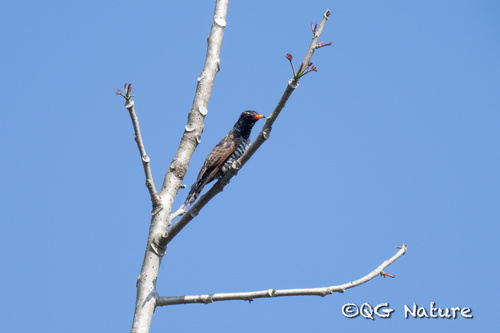 violet cuckoo
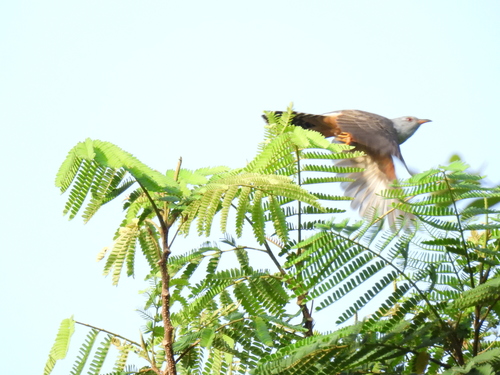 plaintive cuckoo
Em resumo
A marca de campo mais confiável é a deslumbrante parte superior e garganta do adulto macho do violet cuckoo, que nunca é igualada pelo plaintive cuckoo. Para fêmeas e juvenis, concentre-se na forte estriação e nos tons verde-bronze do violet cuckoo em comparação com os tons mais uniformes ruivos ou cinza-marrom e partes inferiores menos contrastantes do plaintive cuckoo. Em voo ou empoleirado, o violet cuckoo mostra uma forma mais curta e compacta, enquanto o plaintive cuckoo é de cauda mais longa e mais esbelto. Juvenis de violet cuckoo têm uma mistura impressionante de partes superiores ruivas, verde-bronze e estriadas, enquanto juvenis de plaintive cuckoo são mais pálidos, com coroas e gargantas listradas (não estriadas). Ambas as espécies podem ser secretivas, mas suas diferenças de estrutura e plumagem são confiáveis na maioria das visões.
Dicas de identificação
- O macho adulto do violet cuckoo é inconfundível: Procure por cabeça, partes superiores e garganta violetas brilhantes e iridescentes, além de um anel ocular vermelho. O plaintive cuckoo nunca apresenta essa cor.
- Partes superiores juvenis: Juvenis de violet cuckoo têm uma coroa ruiva brilhante e uma mistura de estriações ruivas e verde-bronze acima, com uma cauda estriada marrom e ruiva. Juvenis de plaintive cuckoo são mais pálidos, com coroas e gargantas listradas (não estriadas) e menos contraste no geral.
- Morfologia hepática feminina: Fêmeas de plaintive cuckoo na morfologia hepática são marrons-avermelhadas acima, com barras escuras e um supercílios pálido. Fêmeas de violet cuckoo são verde-bronze acima, com uma coroa marrom escura e marcas faciais brancas.
- Padrão da cauda: Machos de violet cuckoo têm uma cauda escura com uma ponta branca e penas externas estriadas; fêmeas têm penas centrais da cauda verde-bronze e externas ruivas com estrias verdes. O plaintive cuckoo tem uma cauda com pontas brancas (macho) ou barras escuras ao longo de todo o comprimento (fêmea morfologia hepática).
- Partes inferiores: Machos de violet cuckoo têm uma barriga branca com barras pretas, verdes ou violetas; fêmeas têm partes inferiores esbranquiçadas com barras verde-bronze e um tom ruivo. Machos de plaintive cuckoo são laranja embaixo, com um peito superior cinza; fêmeas hepáticas são mais pálidas, com estriações fracas.
- Marcas faciais: Fêmeas de violet cuckoo têm marcas brancas ao redor dos olhos e às vezes na testa; fêmeas de plaintive cuckoo têm um supercílios pálido, mas carecem das fortes marcas faciais brancas.
- Estrutura e forma: O violet cuckoo é mais compacto e de cauda mais curta; o plaintive cuckoo é de cauda mais longa e mais esbelto, especialmente óbvio em voo ou quando empoleirado verticalmente.
- Cor do bico: O plaintive cuckoo tem um maxilar superior preto e um maxilar inferior amarelo; a cor do bico do violet cuckoo não é especificada, mas não é notada como diagnóstica.
- Cor das pernas: O plaintive cuckoo tem pernas e pés amarelos; a cor das pernas do violet cuckoo não é descrita como distintiva.
- Contexto de habitat: O plaintive cuckoo é mais provável em habitats abertos, jardins e terras agrícolas; o violet cuckoo prefere áreas florestais.
- Comportamento: O violet cuckoo é mais ativo e frequentemente visto se movendo ou caçando insetos; o plaintive cuckoo é mais secretivo e imóvel.
- Voz: O plaintive cuckoo é muito mais provável de ser ouvido emitindo chamadas lamentosas e assobiadas; as vocalizações do violet cuckoo não são descritas em detalhes aqui.
- Anel ocular vermelho: Apenas o macho adulto do violet cuckoo apresenta um anel ocular vermelho; o plaintive cuckoo tem um olho vermelho, mas não um anel.
- Armadilhas: Juvenis e fêmeas de cucos são frequentemente confundidos; concentre-se na estriação versus listras, verde-bronze versus tons ruivos/cinza-marrom e padrão da cauda. Sempre considere a idade e o sexo antes de confiar em uma única marca.
- Quando em dúvida: Se o pássaro estiver em uma floresta densa e mostrar tons metálicos ou forte estriação, incline-se para o violet cuckoo. Em campo aberto com um pássaro mais uniforme, ruivo ou cinza-marrom, suspeite do plaintive cuckoo.
Tamanho
O plaintive cuckoo é ligeiramente maior, medindo cerca de 21–24 cm de comprimento, e parece ter cauda mais longa e mais esbelto no geral. O violet cuckoo é mais compacto, com uma cauda mais curta e uma impressão mais robusta. Embora ambos sejam cucos pequenos, a diferença é sutil e melhor avaliada quando ambos são vistos em posturas semelhantes. A massa e a envergadura não são fornecidas, mas a diferença de forma é frequentemente aparente em campo.
Plumagem
-
Juvenis: Juvenis de violet cuckoo têm uma coroa ruiva brilhante, partes superiores estriadas ruivas e verde-bronze, e uma cauda estriada marrom e ruiva. Suas partes inferiores são brancas com estriações marrons. Juvenis de plaintive cuckoo são mais pálidos, assemelhando-se a fêmeas hepáticas, com listras escuras (não barras) na coroa e garganta e menos contraste no geral.
-
Machos adultos: Machos de violet cuckoo são inconfundíveis com cabeça, partes superiores e garganta violetas brilhantes, uma barriga branca com barras pretas, verdes ou violetas, e um anel ocular vermelho. Machos de plaintive cuckoo são cinza-marrom acima, laranja embaixo, com cabeça, garganta e peito superiores cinzas, e penas da cauda com pontas brancas.
-
Fêmeas adultas: Fêmeas de violet cuckoo são verde-bronze acima, com uma coroa marrom escura, marcas faciais brancas, e uma cauda com penas centrais verde-bronze e externas ruivas com estrias verdes. Fêmeas de plaintive cuckoo são semelhantes aos machos ou em uma morfologia hepática: marrons-avermelhadas acima com barras escuras, partes inferiores mais pálidas com estriações fracas, e um supercílios pálido. Sua cauda é estriada escura por toda parte. Fêmeas de violet cuckoo mostram mais contraste e tons metálicos, enquanto fêmeas de plaintive cuckoo são mais quentes e mais uniformes.
Comportamento
O violet cuckoo é frequentemente visto se movendo ativamente ao longo dos galhos ou caçando insetos, mostrando um comportamento mais animado e inquieto. O plaintive cuckoo é geralmente solitário, secretivo e mais difícil de ver, frequentemente permanecendo imóvel e dependendo de camuflagem. Ambos são parasitas de ninho, mas suas escolhas de hospedeiros diferem (o violet cuckoo visa beija-flores e caçadores de aranhas; o plaintive cuckoo visa cisticolas, prinias e passarinhos costureiros). Ambos são às vezes atacados por pequenos pássaros. O estilo de forrageamento e o movimento podem ser uma pista sutil se vistos bem.
Habitat
O plaintive cuckoo é mais versátil, encontrado em bordas de florestas, matas abertas, arbustos, campos, terras agrícolas, parques e jardins. O violet cuckoo é menos frequentemente encontrado em campo aberto e está mais associado a habitats florestais. Se você encontrar um pequeno cuco em um jardim ou arbusto aberto, é mais provável que seja o plaintive; em floresta densa, o violet é favorecido.
Voz
O plaintive cuckoo é vocal, com chamadas lamentosas e assobiadas distintas: frases ascendentes de três notas e longas séries de notas descendentes. O violet cuckoo também é vocal na temporada de reprodução, mas as notas não descrevem suas chamadas em detalhes. Se você ouvir um assobio lamento, claro e repetido, suspeite do plaintive cuckoo.