
Charrán Ártico vs Charrán Común
Sterna paradisaea frente a Sterna hirundo
Juega un quiz con Charrán Ártico y Charrán Común
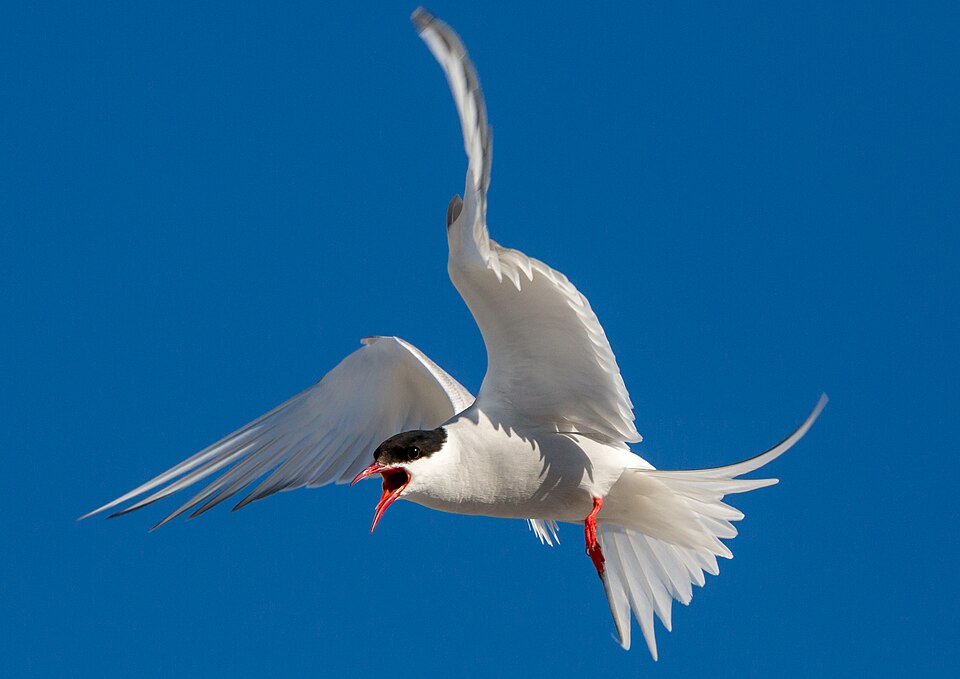 Charrán Ártico
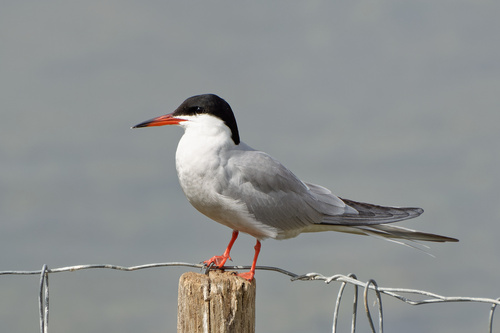 Charrán Común
En breve
La marca de campo más confiable para separar el Charrán Ártico del Charrán Común es el patrón del ala superior en vuelo, especialmente en juveniles e inmaduros: el Charrán Ártico muestra una calidad translúcida en todas las plumas de vuelo y un borde de fuga negro delgado y afilado, mientras que el Charrán Común tiene solo las primarias más internas translúcidas y un borde de fuga oscuro más amplio y menos definido. Los Charranes Árticos juveniles tienen una barra carpiana oscura distintiva y un ala superior 'escamosa', mientras que los Charranes Comunes juveniles son más pálidos con un patrón de ala diferente. Estructuralmente, el Charrán Ártico es más delicado con un cuello más corto, cabeza más pequeña, patas más cortas y streamers de cola más largos, lo que le da un vuelo más ligero y elegante en comparación con el vuelo más potente y directo del Charrán Común. El color del pico también es clave: los Charranes Árticos en cría tienen un pico rojo oscuro uniforme, mientras que los Charranes Comunes muestran un pico rojo-naranja con una punta negra (excepto en algunas subespecies). Estas diferencias son sutiles y a menudo requieren buena luz y vistas cercanas, especialmente fuera de la temporada de cría o con inmaduros.
Consejos de identificación
- Patrón del ala superior juvenil: Busca una fuerte barra carpiana oscura y un manto 'escamoso' en el Charrán Ártico juvenil; los juveniles de Charrán Común carecen de la fuerte barra carpiana y tienen un ala más pálida y menos patrón.
- Translucidez de las plumas de vuelo: En vuelo, el Charrán Ártico muestra todas las plumas de vuelo translúcidas contra el cielo, mientras que el Charrán Común tiene esta translucidez solo en las cuatro primarias más internas. Esto es más confiable en buena luz.
- Borde de fuga del ala: El Charrán Ártico tiene un borde de fuga negro delgado y afilado en las primarias externas; el borde de fuga del Charrán Común es más amplio y menos definido.
- Color del pico (adultos, en cría): El Charrán Ártico tiene un pico rojo oscuro uniforme; el Charrán Común tiene un pico rojo-naranja con una punta negra (excepto en algunas subespecies).
- Color de las patas: Las patas del Charrán Ártico son rojas oscuras y más cortas; las patas del Charrán Común son rojas más brillantes y más largas, lo que lo hace parecer más alto cuando está posado.
- Longitud y forma de la cola: Los streamers de cola del Charrán Ártico son más largos y se extienden más allá de las puntas de las alas cuando está posado; la cola del Charrán Común es más corta y puede no extenderse más allá de las puntas de las alas.
- Estructura de la cabeza y el cuello: El Charrán Común tiene una cabeza más grande y un cuello más grueso, lo que le da un aspecto más robusto; el Charrán Ártico parece más delicado y con cabeza más pequeña.
- Estilo de vuelo: El Charrán Ártico es ligero y elegante en vuelo, con alas largas y estrechas; el Charrán Común es más directo y potente, con alas más rígidas y triangulares.
- Mejillas y partes inferiores: El Charrán Ártico tiene mejillas más blancas y partes inferiores ligeramente más grises que el Charrán Común, lo que hace que la mancha de la mejilla se destaque más.
- Color del rabadilla (no en cría): La rabadilla del Charrán Ártico permanece blanca; la rabadilla del Charrán Común puede volverse grisácea en plumaje no de cría.
- Cambios estacionales: En invierno, la corona del Charrán Ártico se vuelve más blanca y el pico/patas se oscurecen; el Charrán Común retiene más negro en la cabeza y puede mantener algo de negro en el pico.
- Voz: El llamado del Charrán Ártico es más nasal y áspero; el del Charrán Común es más musical. Úsalo con precaución a menos que estés familiarizado con ambos.
- Contexto de hábitat: Si estás en un sitio de cría en el alto Ártico, es más probable que encuentres al Charrán Ártico; en regiones templadas, especialmente en el interior, el Charrán Común suele ser el predeterminado.
- Trampas: A menudo se identifican erróneamente aves inmaduras; prioriza la translucidez del ala y la barra carpiana para juveniles, y la estructura del pico/cola/patas para adultos. Ten cuidado con la superposición en plumaje no de cría, donde las diferencias son sutiles.
- Comparación directa: Cuando sea posible, compara aves lado a lado para estructura y estilo de vuelo, ya que estas diferencias son más evidentes en comparación directa que en aislamiento.
Tamaño
Ambas especies son similares en longitud y envergadura, pero el Charrán Ártico es ligeramente más ligero y más delicado en general (masa corporal ~114 g). El Charrán Común tiende a tener una cabeza ligeramente más grande, un cuello más grueso y patas más largas, lo que lo hace parecer un poco más robusto y menos delicado que el Charrán Ártico. En el campo, estas diferencias son sutiles y se aprecian mejor cuando ambas especies están lado a lado.
Plumaje
- Juveniles/inmaduros: Los juveniles de Charrán Ártico tienen un pico y patas negras, una apariencia 'escamosa' en el ala superior y el manto debido a las puntas de plumas oscuras, una barra carpiana oscura y streamers de cola cortos. Su corona frontal es más blanca en el primer verano. Los juveniles de Charrán Común son más pálidos, carecen de la fuerte barra carpiana oscura y tienen un patrón de ala diferente; se separan fácilmente de los juveniles de Charrán Ártico por estas marcas.
- Adultos (en cría): Los adultos de Charrán Ártico son de color gris pálido por encima con una corona y nuca negras, mejillas blancas y un pico y patas de un rojo sangre profundo. El ala superior es de color gris pálido con un borde delantero blanco y un borde de fuga negro afilado y estrecho en las primarias; toda el ala es translúcida contra el cielo. La cola es profundamente ahorquillada y blanca. Los adultos de Charrán Común tienen una cabeza más grande, un cuello más grueso, patas más largas y un ala más triangular. Su pico es rojo-naranja con una punta negra (excepto en algunas subespecies), y las patas son de un rojo brillante. El ala superior desarrolla una cuña oscura a medida que avanza la temporada, y solo las primarias más internas son translúcidas. El borde de fuga del ala es más grueso y menos definido que en el Charrán Ártico.
- No en cría: La corona del Charrán Ártico se vuelve más blanca, y el pico y las patas se oscurecen. La rabadilla del Charrán Común puede volverse grisácea, y la cuña negra en el ala puede persistir. Ambas especies se vuelven más difíciles de separar en este plumaje, pero el Charrán Ártico retiene una rabadilla más blanca y alas más translúcidas.
Comportamiento
En vuelo, el Charrán Ártico parece más ligero, con alas más largas y estrechas y una cola profundamente ahorquillada que a menudo se queda atrás. Su vuelo es elegante y ligero. El Charrán Común tiene un vuelo más potente, directo y rígido, con alas más triangulares y una cabeza y cuello más pesados. Cuando está posado, el Charrán Ártico se sienta más bajo debido a sus patas más cortas y parece más delicado en general, mientras que el Charrán Común se mantiene más alto y se ve más robusto.
Hábitat
Ambas especies tienen amplias distribuciones circumpolares, pero el Charrán Ártico cría más al norte, en regiones árticas y subárticas, mientras que el Charrán Común cría en zonas templadas y subárticas. Puede haber superposición en algunas regiones, especialmente durante la migración. Es más probable encontrar al Charrán Ártico en colonias de cría de alta latitud, mientras que el Charrán Común es más común en aguas costeras y de interior templadas.
Voz
El llamado del Charrán Ártico es más nasal y áspero en comparación con el del Charrán Común. La diferencia es sutil y se aprecia mejor con la experiencia, pero los llamados del Charrán Ártico son generalmente de tono más alto y más ásperos, mientras que los del Charrán Común son más musicales y menos nasales.