

trinta-réis-ártico vs trinta-réis-boreal
Sterna paradisaea versus Sterna hirundo
Jogue um quiz com trinta-réis-ártico e trinta-réis-boreal
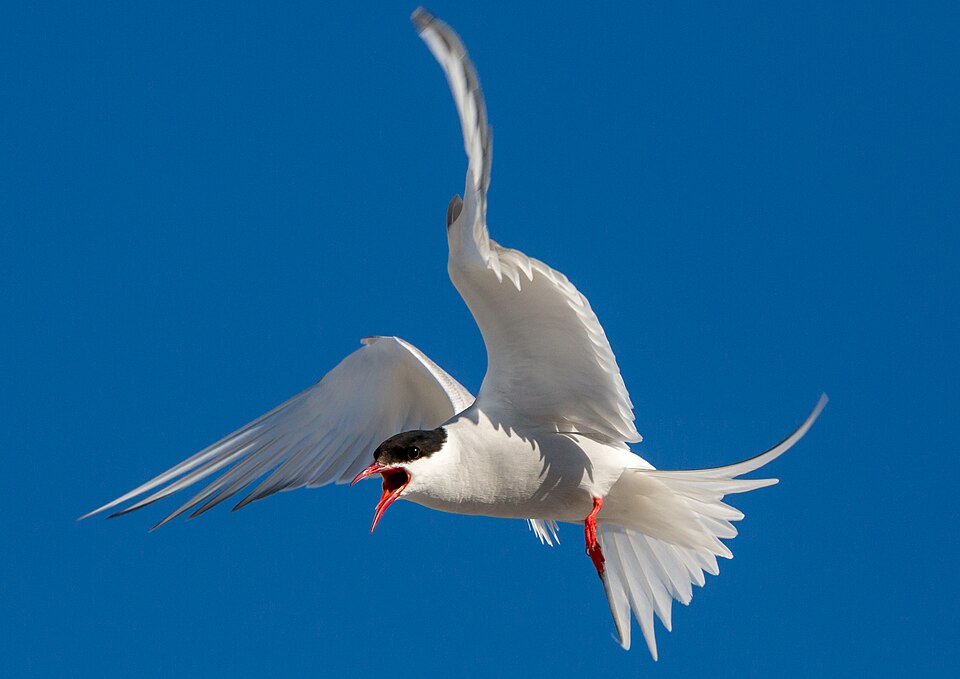 trinta-réis-ártico
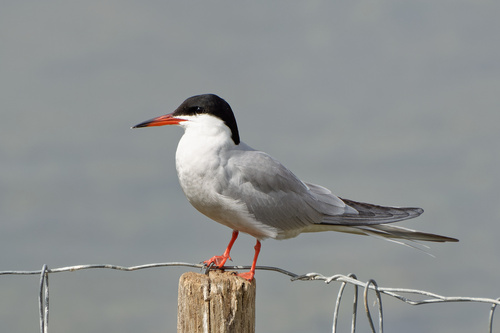 trinta-réis-boreal
Em resumo
A marca de campo mais confiável para separar o trinta-réis-ártico do trinta-réis-boreal é o padrão da asa superior em voo, especialmente em juvenis e imaturos: o trinta-réis-ártico apresenta uma qualidade translúcida em todas as penas de voo e uma borda traseira fina e afiada, enquanto o trinta-réis-boreal tem apenas as primárias mais internas translúcidas e uma borda traseira mais ampla e menos definida. Os juvenis de trinta-réis-ártico têm uma barra carpiana escura distinta e uma asa superior 'escamosa', enquanto os juvenis de trinta-réis-boreal são mais claros e têm um padrão de asa diferente. Estruturalmente, o trinta-réis-ártico é mais delicado, com um pescoço mais curto, cabeça menor, pernas mais curtas e longas penas da cauda, dando-lhe um voo mais leve e gracioso em comparação com o voo mais poderoso e direto do trinta-réis-boreal. A cor do bico também é fundamental: os trinta-réis-árticos em reprodução têm um bico vermelho escuro uniforme, enquanto os trinta-réis-boreal apresentam um bico vermelho-alaranjado com uma ponta preta (exceto em algumas subespécies). Essas diferenças são sutis e muitas vezes requerem boa iluminação e vistas próximas, especialmente fora da temporada de reprodução ou com imaturos.
Dicas de identificação
- Padrão da asa superior juvenil: Procure uma barra carpiana escura forte e um manto 'escamoso' no juvenil de trinta-réis-ártico; os juvenis de trinta-réis-boreal não têm a barra carpiana forte e têm uma asa mais clara e menos padronizada.
- Translucidez das penas de voo: Em voo, o trinta-réis-ártico mostra todas as penas de voo translúcidas contra o céu, enquanto o trinta-réis-boreal tem essa translucidez apenas nas quatro primárias mais internas. Isso é mais confiável em boa luz.
- Borda traseira da asa: O trinta-réis-ártico tem uma borda traseira fina e afiada na parte externa das primárias; a borda traseira do trinta-réis-boreal é mais ampla e menos definida.
- Cor do bico (adultos, reprodução): O trinta-réis-ártico tem um bico vermelho escuro uniforme; o trinta-réis-boreal tem um bico vermelho-alaranjado com uma ponta preta (exceto em algumas subespécies).
- Cor das pernas: As pernas do trinta-réis-ártico são vermelhas escuras e mais curtas; as pernas do trinta-réis-boreal são vermelhas mais brilhantes e mais longas, fazendo com que pareça mais alto quando empoleirado.
- Comprimento e forma da cauda: As penas da cauda do trinta-réis-ártico são mais longas e se estendem bem além das pontas das asas quando empoleirado; a cauda do trinta-réis-boreal é mais curta e pode não se estender além das pontas das asas.
- Estrutura da cabeça e pescoço: O trinta-réis-boreal tem uma cabeça maior e um pescoço mais grosso, dando-lhe uma aparência mais robusta; o trinta-réis-ártico parece mais delicado e com cabeça menor.
- Estilo de voo: O trinta-réis-ártico é leve e gracioso em voo, com asas longas e estreitas; o trinta-réis-boreal é mais direto e poderoso, com asas mais rígidas e triangulares.
- Bochechas e partes inferiores: O trinta-réis-ártico tem bochechas mais brancas e partes inferiores ligeiramente mais cinzentas do que o trinta-réis-boreal, fazendo com que a mancha da bochecha se destaque mais.
- Cor do rabo (não reprodução): O rabo do trinta-réis-ártico permanece branco; o rabo do trinta-réis-boreal pode se tornar acinzentado na plumagem não reprodutiva.
- Mudanças sazonais: No inverno, a coroa do trinta-réis-ártico se torna mais branca e o bico/pernas escurecem; o trinta-réis-boreal retém mais preto na cabeça e pode manter algum preto no bico.
- Voz: O chamado do trinta-réis-ártico é mais nasal e áspero; o do trinta-réis-boreal é mais musical. Use com cautela, a menos que você esteja familiarizado com ambos.
- Contexto do habitat: Se você estiver em um local de reprodução no alto Ártico, o trinta-réis-ártico é mais provável; em regiões temperadas, especialmente no interior, o trinta-réis-boreal é geralmente o padrão.
- Armadilhas: Pássaros imaturos são frequentemente mal identificados—priorize a translucidez da asa e a barra carpiana para juvenis, e a estrutura do bico/cauda/pernas para adultos. Cuidado com a sobreposição na plumagem não reprodutiva, onde as diferenças são sutis.
- Comparação direta: Quando possível, compare os pássaros lado a lado para estrutura e estilo de voo, pois essas diferenças são mais aparentes em comparação direta do que isoladamente.
Tamanho
Ambas as espécies são semelhantes em comprimento e envergadura, mas o trinta-réis-ártico é ligeiramente mais leve e mais delicado no geral (massa corporal ~114 g). O trinta-réis-boreal tende a ter uma cabeça ligeiramente maior, pescoço mais grosso e pernas mais longas, fazendo com que pareça um pouco mais robusto e menos delicado do que o trinta-réis-ártico. No campo, essas diferenças são sutis e melhor apreciadas quando ambas as espécies estão lado a lado.
Plumagem
- Juvenis/imaturos: Os juvenis de trinta-réis-ártico têm um bico e pernas pretos, uma aparência 'escamosa' na asa superior e manto devido às pontas das penas escuras, uma barra carpiana escura e penas da cauda curtas. Sua coroa frontal é mais branca no primeiro verão. Os juvenis de trinta-réis-boreal são mais claros, não têm a barra carpiana escura forte e têm um padrão de asa diferente; eles são facilmente separados dos juvenis de trinta-réis-ártico por essas marcas.
- Adultos (reprodução): Os adultos de trinta-réis-ártico são cinza claro por cima, com uma coroa e nuca pretas, bochechas brancas e um bico e pés vermelhos profundos. A asa superior é cinza claro com uma borda de ataque branca e uma borda traseira estreita e afiada de cor negra nas primárias; toda a asa é translúcida contra o céu. A cauda é profundamente bifurcada e branca. Os adultos de trinta-réis-boreal têm uma cabeça maior, pescoço mais grosso, pernas mais longas e uma asa mais triangular. Seu bico é vermelho-alaranjado com uma ponta preta (exceto em algumas subespécies), e as pernas são vermelhas brilhantes. A asa superior desenvolve um cunho escuro à medida que a temporada avança, e apenas as primárias mais internas são translúcidas. A borda traseira da asa é mais grossa e menos definida do que no trinta-réis-ártico.
- Não reprodução: A coroa do trinta-réis-ártico se torna mais branca, e o bico e as pernas escurecem. O rabo do trinta-réis-boreal pode se tornar acinzentado, e o cunho preto na asa pode persistir. Ambas as espécies se tornam mais difíceis de separar nesta plumagem, mas o trinta-réis-ártico retém um rabo mais branco e asas mais translúcidas.
Comportamento
Em voo, o trinta-réis-ártico parece mais leve, com asas mais longas e estreitas e uma cauda profundamente bifurcada que frequentemente fica para trás. Seu voo é gracioso e leve. O trinta-réis-boreal tem um voo mais poderoso, direto e rígido, com asas mais triangulares e uma cabeça e pescoço mais pesados. Quando empoleirado, o trinta-réis-ártico fica mais baixo devido às pernas mais curtas e parece mais delicado no geral, enquanto o trinta-réis-boreal fica mais alto e parece mais robusto.
Habitat
Ambas as espécies têm distribuições circumpolares amplas, mas o trinta-réis-ártico se reproduz mais ao norte, em regiões árticas e subárticas, enquanto o trinta-réis-boreal se reproduz em zonas temperadas e subárticas. A sobreposição pode ocorrer em algumas regiões, especialmente durante a migração. O trinta-réis-ártico é mais provável de ser encontrado em colônias de reprodução em altas latitudes, enquanto o trinta-réis-boreal é mais amplamente distribuído em águas costeiras e interiores temperadas.
Voz
O chamado do trinta-réis-ártico é mais nasal e áspero em comparação com o do trinta-réis-boreal. A diferença é sutil e melhor apreciada com experiência, mas os chamados do trinta-réis-ártico são geralmente mais agudos e ásperos, enquanto os do trinta-réis-boreal são mais musicais e menos nasais.
trinta-réis-ártico · trinta-réis-boreal · Minhas aves difíceis