
Sterna codalunga vs Sterna comune
Sterna paradisaea contro Sterna hirundo
Fai un quiz con Sterna codalunga e Sterna comune
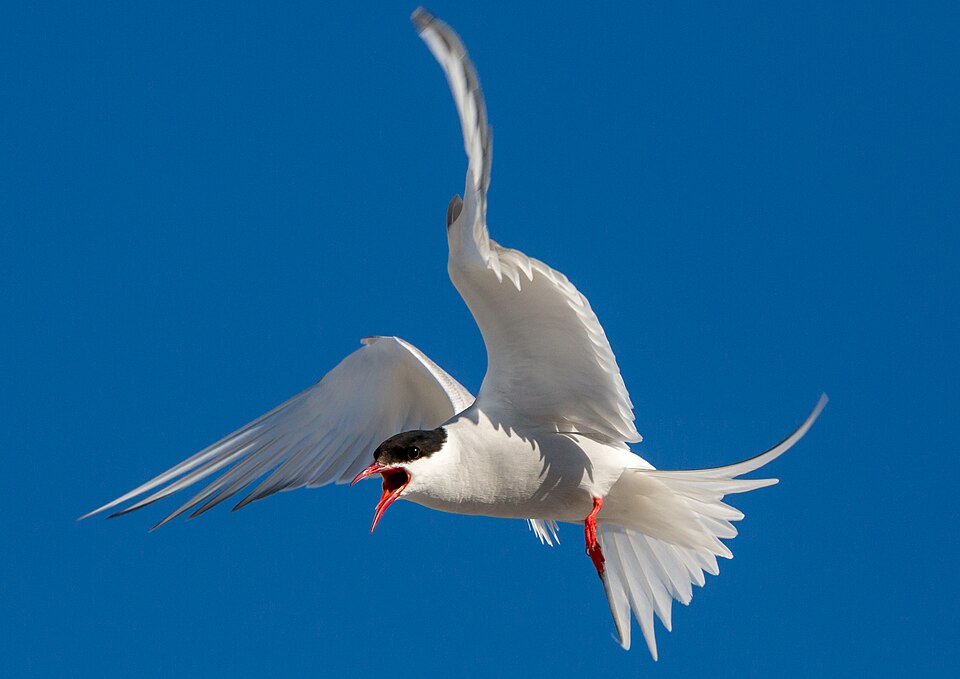 Sterna codalunga
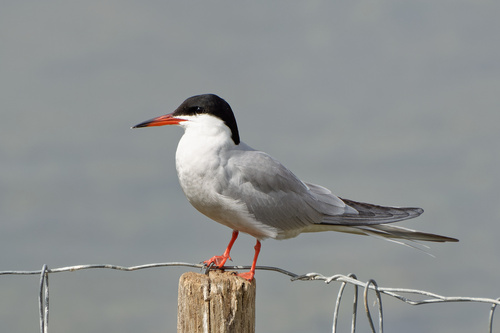 Sterna comune
In breve
Il segno di campo più affidabile per separare Sterna codalunga da Sterna comune è il modello dell'ala superiore in volo, specialmente nei giovani e negli immaturi: Sterna codalunga mostra una qualità traslucida in tutte le penne alari e un sottile e affilato bordo nero posteriore, mentre Sterna comune ha solo le primarie più interne traslucide e un bordo posteriore scuro più ampio e meno definito. I giovani Sterna codalunga hanno una caratteristica barra carpale scura e un'ala superiore 'squamosa', mentre i giovani Sterna comune sono più chiari con un diverso modello di ala. Strutturalmente, Sterna codalunga è più delicata con un collo più corto, una testa più piccola, gambe più corte e streamers della coda più lunghi, conferendole un volo più galleggiante e aggraziato rispetto al volo più potente e diretto di Sterna comune. Anche il colore del becco è fondamentale: i Sterna codalunga in riproduzione hanno un becco uniformemente rosso scuro, mentre i Sterna comune mostrano un becco rosso-arancio con una punta nera (eccetto in alcune sottospecie). Queste differenze sono sottili e spesso richiedono buona luce e viste ravvicinate, specialmente al di fuori della stagione di riproduzione o con immaturi.
Consigli di identificazione
- Modello dell'ala superiore nei giovani: Cerca una forte barra carpale scura e un mantello 'squamoso' nei giovani Sterna codalunga; i giovani Sterna comune mancano della forte barra carpale e hanno un'ala più chiara e meno decorata.
- Traslucenza delle penne alari: In volo, Sterna codalunga mostra tutte le penne alari traslucide contro il cielo, mentre Sterna comune ha questa traslucenza solo nelle quattro primarie più interne. Questo è più affidabile in buona luce.
- Bordo posteriore dell'ala: Sterna codalunga ha un sottile e affilato bordo posteriore nero sulle primarie esterne; il bordo posteriore di Sterna comune è più ampio e meno definito.
- Colore del becco (adulti, riproduzione): Sterna codalunga ha un becco uniformemente rosso scuro; Sterna comune ha un becco rosso-arancio con una punta nera (eccetto in alcune sottospecie).
- Colore delle gambe: Le gambe di Sterna codalunga sono rosso scuro e più corte; le gambe di Sterna comune sono rosso brillante e più lunghe, facendola apparire più alta quando è posata.
- Lunghezza e forma della coda: Gli streamers della coda di Sterna codalunga sono più lunghi e si estendono bene oltre le punte delle ali quando è posata; la coda di Sterna comune è più corta e potrebbe non estendersi oltre le punte delle ali.
- Struttura della testa e del collo: Sterna comune ha una testa più grande e un collo più spesso, conferendole un aspetto più robusto; Sterna codalunga appare più delicata e con una testa più piccola.
- Stile di volo: Sterna codalunga è galleggiante e aggraziata in volo, con ali lunghe e strette; Sterna comune è più diretta e potente, con ali più rigide e triangolari.
- Guance e parti inferiori: Sterna codalunga ha guance più bianche e parti inferiori leggermente più grigie rispetto a Sterna comune, facendo risaltare di più la macchia guanciale.
- Colore del dorso (non riproduzione): Il dorso di Sterna codalunga rimane bianco; il dorso di Sterna comune può diventare grigiastro in abbigliamento non riproduttivo.
- Cambiamenti stagionali: In inverno, la corona di Sterna codalunga diventa più bianca e il becco/le gambe scuriscono; Sterna comune mantiene più nero sulla testa e può mantenere un po' di nero sul becco.
- Voce: Il richiamo di Sterna codalunga è più nasale e rauco; quello di Sterna comune è più musicale. Usare con cautela a meno che non si sia familiari con entrambi.
- Contesto dell'habitat: Se ti trovi in un sito di riproduzione ad alta artica, è più probabile trovare Sterna codalunga; nelle regioni temperate, specialmente nell'entroterra, Sterna comune è di solito la norma.
- Trappole: Gli uccelli immaturi sono spesso identificati erroneamente—dai priorità alla traslucenza delle ali e alla barra carpale per i giovani, e alla struttura del becco/coda/gambe per gli adulti. Fai attenzione alla sovrapposizione nell'abbigliamento non riproduttivo, dove le differenze sono sottili.
- Confronto diretto: Quando possibile, confronta gli uccelli fianco a fianco per struttura e stile di volo, poiché queste differenze sono più evidenti nel confronto diretto che in isolamento.
Taglia
Entrambe le specie sono simili in lunghezza e apertura alare, ma Sterna codalunga è leggermente più leggera e più delicata nel complesso (massa corporea ~114 g). Sterna comune tende ad avere una testa leggermente più grande, un collo più spesso e gambe più lunghe, facendola apparire un po' più robusta e meno delicata rispetto a Sterna codalunga. Sul campo, queste differenze sono sottili e meglio apprezzate quando entrambe le specie sono fianco a fianco.
Piumaggio
- Giovani/immaturi: I giovani Sterna codalunga hanno un becco e gambe neri, un aspetto 'squamoso' all'ala superiore e al mantello a causa delle punte scure delle piume, una barra carpale scura e streamers della coda corti. La loro corona frontale è più bianca nel primo estate. I giovani Sterna comune sono più chiari, mancano della forte barra carpale scura e hanno un diverso modello di ala; possono essere facilmente separati dai giovani Sterna codalunga da questi segni.
- Adulti (riproduzione): Gli adulti Sterna codalunga sono grigi chiari sopra con una corona e nuca nere, guance bianche e un becco e piedi di un rosso sangue profondo. L'ala superiore è grigia chiara con un bordo anteriore bianco e un sottile e affilato bordo nero sulle primarie; l'intera ala è traslucida contro il cielo. La coda è profondamente forked e bianca. Gli adulti Sterna comune hanno una testa più grande, un collo più spesso, gambe più lunghe e un'ala più triangolare. Il loro becco è rosso-arancio con una punta nera (eccetto in alcune sottospecie), e le gambe sono rosso brillante. L'ala superiore sviluppa una cuneo scuro man mano che la stagione progredisce, e solo le primarie più interne sono traslucide. Il bordo posteriore dell'ala è più spesso e meno definito rispetto a Sterna codalunga.
- Non riproduzione: La corona di Sterna codalunga diventa più bianca, e il becco e le gambe scuriscono. Il dorso di Sterna comune può diventare grigiastro, e il cuneo nero sull'ala può persistere. Entrambe le specie diventano più difficili da separare in questo piumaggio, ma Sterna codalunga mantiene un dorso più bianco e ali più traslucide.
Comportamento
In volo, Sterna codalunga appare più galleggiante, con ali più lunghe e strette e una coda profondamente forked che spesso si trascina dietro. Il suo volo è aggraziato e galleggiante. Sterna comune ha un volo più potente, diretto e rigido, con ali più triangolari e una testa e un collo più pesanti. Quando è posata, Sterna codalunga si siede più in basso a causa delle gambe più corte e appare più delicata nel complesso, mentre Sterna comune sta più alta e appare più robusta.
Habitat
Entrambe le specie hanno ampie distribuzioni circumpolari, ma Sterna codalunga nidifica più a nord, nelle regioni artiche e subartiche, mentre Sterna comune nidifica in zone temperate e subartiche. La sovrapposizione può verificarsi in alcune regioni, specialmente durante la migrazione. Sterna codalunga è più probabile trovarla in colonie di nidificazione ad alta latitudine, mentre Sterna comune è più diffusa nelle acque costiere temperate e interne.
Voce
Il richiamo di Sterna codalunga è più nasale e rauco rispetto a quello di Sterna comune. La differenza è sottile e meglio apprezzata con l'esperienza, ma i richiami di Sterna codalunga sono generalmente più acuti e più aspri, mentre quelli di Sterna comune sono più musicali e meno nasali.