

Tinamú de Bartlett vs Tinamú de Taczanowski
Crypturellus bartletti frente a Nothoprocta taczanowskii
Juega un quiz con Tinamú de Bartlett y Tinamú de Taczanowski
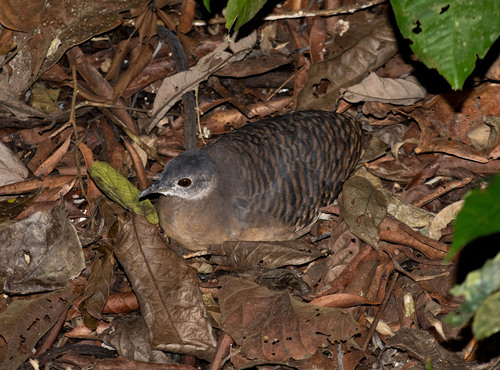 Tinamú de Bartlett
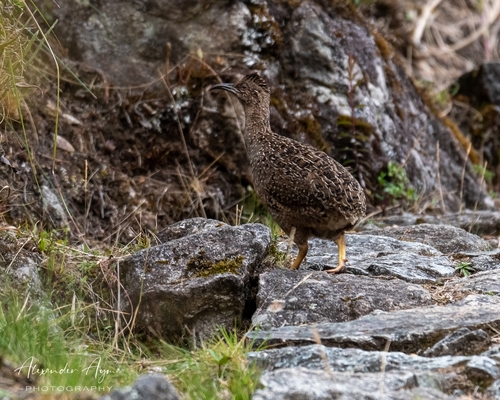 Tinamú de Taczanowski
En breve
La separación de campo más confiable entre el Tinamú de Bartlett y el Tinamú de Taczanowski es su patrón de plumaje general y el contexto del hábitat. El de Taczanowski es un tinamú más grande, oscuro y finamente marcado, con distintivas marcas faciales grises y negras, partes inferiores color canela y rayadas, y un pico largo, negruzco y curvado—características que no se ven en el de Bartlett. El Tinamú de Bartlett es más pequeño, más simple y se encuentra en bosques de tierras bajas, mientras que el de Taczanowski está restringido a los altos Andes. Los inmaduros de Taczanowski son de un marrón más rico pero aún muestran el patrón característico. Si ves un tinamú en un denso bosque de tierras bajas, casi con certeza es el de Bartlett; en pastizales o matorrales de alta montaña andina, es el de Taczanowski.
Consejos de identificación
- El hábitat suele ser decisivo: El Tinamú de Bartlett es un especialista en bosques de tierras bajas, mientras que el de Taczanowski se encuentra solo en pastizales y laderas de los altos Andes. Siempre verifica tu elevación y hábitat primero.
- Tamaño y estructura: El de Taczanowski es mucho más grande y robusto que el de Bartlett, con un pico negruzco notablemente más largo y curvado. El de Bartlett es más pequeño y compacto.
- Patrón facial: El de Taczanowski tiene una cabeza y cuello grises llamativos con marcas negras en la corona y la cara y una garganta de color grisáceo claro. El de Bartlett carece de estos fuertes contrastes faciales y es en general más simple.
- Partes superiores y cobertoras de las alas: El de Taczanowski muestra partes superiores oscuras con finas rayas canela, barrado marrón y moteado negro y canela en las cobertoras de las alas. El de Bartlett tiene un patrón mucho menos marcado en la parte superior.
- Plumas de vuelo: El de Taczanowski tiene plumas de vuelo color canela barradas de negro, visibles en vuelo o cuando el ala está extendida. El de Bartlett carece de un barrado tan fuerte.
- Partes inferiores: El pecho del de Taczanowski es gris con manchas canela bordeadas de negro, y el resto de las partes inferiores son canela, barradas de oscuro. Las partes inferiores del de Bartlett no se describen como barradas o manchadas.
- Aves juveniles/inmaduros: Los jóvenes de Taczanowski son de un marrón más rico pero aún muestran el fino barrado y moteado característico de la especie, especialmente en las cobertoras de las alas. Los jóvenes de Bartlett no se describen como distintivos, así que se espera que sean simples.
- Forma del pico: El de Taczanowski tiene un pico largo, negruzco y curvado, que es una pista estructural fuerte. El de Bartlett tiene un pico más corto y menos curvado.
- Cola: Ambos géneros están nombrados por su 'cola oculta'—no confíes en la longitud o forma de la cola para la separación.
- Comportamiento en contexto: El de Taczanowski puede verse en el abierto, caminando erguido en pastizales o en laderas andinas. El de Bartlett es más probable que se vea escondido en la densa cobertura forestal.
- Sin fuerte dimorfismo estacional o sexual: No se observan diferencias de plumaje estacionales o basadas en el sexo para ninguna de las especies, por lo que estas marcas son confiables durante todo el año.
- Sin diferencias vocales conocidas: No se describen vocalizaciones en las fuentes, así que no confíes en la voz para la separación.
- La superposición de rangos es mínima: Estas especies no son propensas a confundirse excepto en cautiverio o en un cuestionario, ya que sus rangos y hábitats no se superponen en la naturaleza.
- Cuando tengas dudas, confía en el patrón: El de Taczanowski siempre es más barrado, moteado y marcado que el de Bartlett, que es simple y uniforme.
Tamaño
El Tinamú de Bartlett es significativamente más pequeño, con una masa corporal de alrededor de 241 g [wikidata], en comparación con el Tinamú de Taczanowski, que promedia alrededor de 36 cm de longitud y es visiblemente más robusto en el campo [wikipedia]. El de Taczanowski también tiene un pico notablemente más largo y curvado. Si tienes una comparación directa o estás familiarizado con los tamaños de los tinamúes, el de Taczanowski parecerá mucho más grande y pesado.
Plumaje
- Juvenil/Inmaduro: Los jóvenes del Tinamú de Taczanowski son generalmente de un marrón más rico en general pero aún muestran el característico fino barrado y moteado de la especie, especialmente en las cobertoras de las alas. El Tinamú de Bartlett carece de cualquier mención de un patrón juvenil distintivo y es en general mucho más simple a todas las edades.
- Adulto: El Tinamú de Taczanowski es oscuro y finamente marcado: la cabeza y el cuello son grises con marcas negras en la corona y la cara, una garganta de color grisáceo claro, y las partes superiores son oscuras con finas rayas canela y barrado marrón poco conspicuo. Las cobertoras de las alas son moteadas de negro y canela, y las plumas de vuelo son canela barradas de negro. El pecho es gris con manchas canela bordeadas de negro, y el resto de las partes inferiores son canela, barradas de oscuro. El Tinamú de Bartlett, en contraste, es mucho más simple y carece del fuerte barrado, moteado y patrón facial del de Taczanowski. No se nota un patrón distintivo de alas o vuelo para el de Bartlett.
Comportamiento
Ambas especies son tinamúes que habitan en el suelo, pero su comportamiento está moldeado por el hábitat: el de Bartlett es un ave de bosque de tierras bajas, que probablemente se vea caminando silenciosamente en el denso sotobosque, mientras que el de Taczanowski está adaptado a laderas y pastizales andinos abiertos, a menudo visto en terrenos más abiertos. El de Taczanowski puede parecer más erguido y alerta en áreas abiertas, mientras que el de Bartlett es más reservado y oculto.
Hábitat
El hábitat es un fuerte separador: el Tinamú de Bartlett se encuentra en bosques de tierras bajas de América del Sur, favoreciendo ambientes densos y húmedos. El Tinamú de Taczanowski está restringido a los Andes orientales de Perú (Junín, Cuzco, Apurímac, Ayacucho, Puno) y Bolivia adyacente, en pastizales de alta elevación, matorrales y laderas. Si estás en un bosque de tierras bajas, casi con certeza estás viendo el de Bartlett; en terreno de alta montaña andina, es el de Taczanowski.
Tinamú de Bartlett · Tinamú de Taczanowski · Mis aves difíciles