

Bartlett's Tinamou vs Taczanowski's Tinamou
Crypturellus bartletti contro Nothoprocta taczanowskii
Fai un quiz con Bartlett's Tinamou e Taczanowski's Tinamou
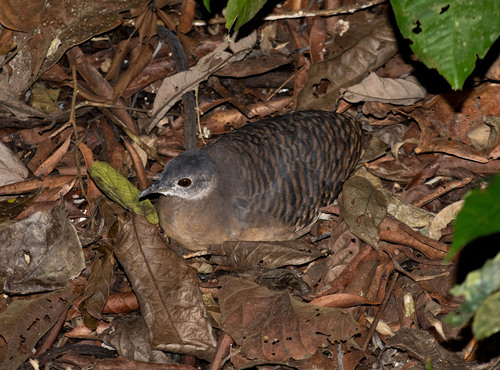 Bartlett's Tinamou
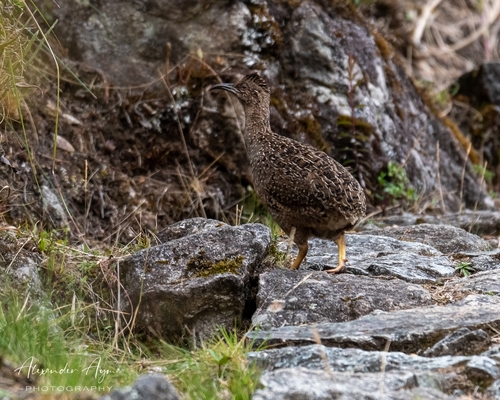 Taczanowski's Tinamou
In breve
La separazione sul campo più affidabile tra Bartlett's Tinamou e Taczanowski's Tinamou è il loro schema di piumaggio complessivo e il contesto dell'habitat. Taczanowski's è un tinamou più grande, scuro e finemente marcato con distintive marcature facciali grigie e nere, parti inferiori color crema e barrate, e un lungo becco curvo di colore nerastro—caratteristiche non presenti in Bartlett's. Bartlett's Tinamou è più piccolo, più semplice e si trova nelle foreste di pianura, mentre Taczanowski's è limitato alle alte Ande. I Taczanowski's immaturi sono di un marrone più ricco ma mostrano comunque il caratteristico schema. Se vedi un tinamou in una densa foresta di pianura, è quasi certamente Bartlett's; in un prato o cespuglio andino alto, è Taczanowski's.
Consigli di identificazione
- L'habitat è spesso decisivo: Bartlett's Tinamou è uno specialista delle foreste di pianura, mentre Taczanowski's si trova solo in prati e pendii andini alti. Controlla sempre prima la tua elevazione e habitat.
- Dimensione e struttura: Taczanowski's è molto più grande e massiccio di Bartlett's, con un becco nerastro visibilmente più lungo e curvo. Bartlett's è più piccolo e compatto.
- Schema facciale: Taczanowski's ha una testa e un collo grigi con marcature nere e una gola grigio-crema. Bartlett's manca di questi forti contrasti facciali ed è complessivamente più semplice.
- Parti superiori e copritrici delle ali: Taczanowski's mostra parti superiori scure con sottili strisce color crema, barrature marroni e maculature nere e color crema sulle copritrici delle ali. Bartlett's è molto meno decorato sopra.
- Piume di volo: Taczanowski's ha piume di volo color ruggine barrate di nero, visibili in volo o quando l'ala è spiegata. Bartlett's manca di tali forti barrature.
- Parti inferiori: Il petto di Taczanowski's è grigio con macchie color crema bordate di nero, e il resto delle parti inferiori è color crema, barrato scuro. Le parti inferiori di Bartlett's non sono descritte come barrate o macchiate.
- Uccelli giovani/immaturi: I giovani Taczanowski's sono di un marrone più ricco ma mostrano comunque la fine barratura e maculatura della specie, specialmente sulle copritrici delle ali. I giovani di Bartlett's non sono descritti come distintivi, quindi aspettati che siano semplici.
- Forma del becco: Taczanowski's ha un lungo becco nerastro e curvo, che è un forte indizio strutturale. Bartlett's ha un becco più corto e meno curvo.
- Coda: Entrambi i generi sono nominati per la loro 'coda nascosta'—non fare affidamento sulla lunghezza o forma della coda per la separazione.
- Comportamento nel contesto: Taczanowski's può essere visto all'aperto, camminando eretto in prati o su pendii andini. Bartlett's è più probabile che venga visto nascondersi in una densa copertura forestale.
- Nessun forte dimorfismo stagionale o sessuale: Non sono notate differenze di piumaggio stagionali o basate sul sesso per nessuna delle due specie, quindi questi segni sono affidabili tutto l'anno.
- Nessuna differenza vocale nota: Nessuna vocalizzazione è descritta nelle fonti, quindi non fare affidamento sulla voce per la separazione.
- L'overlap dell'areale è minimo: Queste specie non sono probabilmente confuse tranne che in cattività o in un quiz, poiché i loro areali e habitat non si sovrappongono in natura.
- Quando hai dei dubbi, fidati dello schema: Taczanowski's è sempre più barrato, maculato e marcato di Bartlett's, che è semplice e uniforme.
Taglia
Bartlett's Tinamou è significativamente più piccolo, con una massa corporea di circa 241 g [wikidata], rispetto a Taczanowski's Tinamou, che ha una lunghezza media di circa 36 cm ed è visibilmente più massiccio sul campo [wikipedia]. Taczanowski's ha anche un becco visibilmente più lungo e curvo. Se hai un confronto diretto o sei familiare con le dimensioni dei tinamou, Taczanowski's apparirà molto più grande e pesante.
Piumaggio
- Giovane/Immaturi: I giovani Taczanowski's Tinamou sono generalmente di un marrone più ricco nel complesso ma mostrano comunque la caratteristica fine barratura e maculatura della specie, specialmente sulle copritrici delle ali. Bartlett's Tinamou non presenta alcuna menzione di un pattern giovanile distintivo ed è complessivamente molto più semplice a tutte le età.
- Adulto: Taczanowski's Tinamou è scuro e finemente marcato: la testa e il collo sono grigi con marcature nere, una gola grigio-crema, e le parti superiori sono scure con sottili strisce color crema e barrature marroni poco appariscenti. Le copritrici delle ali sono maculate di nero e color crema, e le piume di volo sono barrate di nero. Il petto è grigio con macchie color crema bordate di nero, e il resto delle parti inferiori è color crema, barrato scuro. Bartlett's Tinamou, al contrario, è molto più semplice e manca delle forti barrature, maculature e schema facciale di Taczanowski's. Non è notato alcun schema distintivo delle ali o di volo per Bartlett's.
Comportamento
Entrambe le specie sono tinamou terrestri, ma il loro comportamento è influenzato dall'habitat: Bartlett's è un uccello delle foreste di pianura, probabile da vedere camminare silenziosamente in un denso sottobosco, mentre Taczanowski's è adattato a pendii e prati andini aperti, spesso visto in terreni più aperti. Taczanowski's può apparire più eretto e all'erta in aree aperte, mentre Bartlett's è più segreto e nascosto.
Habitat
L'habitat è un forte separatore: Bartlett's Tinamou si trova nelle foreste di pianura del Sud America, preferendo ambienti densi e umidi. Taczanowski's Tinamou è limitato alle Ande orientali del Perù (Junín, Cuzco, Apurímac, Ayacucho, Puno) e alla Bolivia adiacente, in prati, cespugli e pendii ad alta elevazione. Se ti trovi in una foresta di pianura, stai quasi certamente vedendo Bartlett's; in un terreno andino alto, è Taczanowski's.
Bartlett's Tinamou · Taczanowski's Tinamou · I miei uccelli difficili