
Mosquitero Sombrío vs Mosquitero Común
Phylloscopus fuscatus frente a Phylloscopus collybita
Juega un quiz con Mosquitero Sombrío y Mosquitero Común
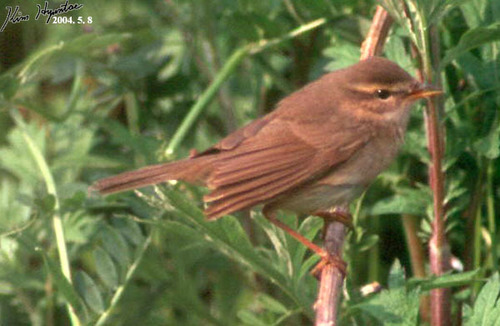 Mosquitero Sombrío
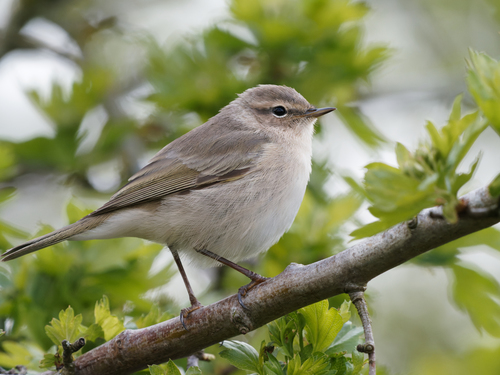 Mosquitero Común
En breve
La marca de campo más confiable entre el Mosquitero Sombrío y el Mosquitero Común es el tono general: el Mosquitero Sombrío es de un marrón más simple y frío por encima, con un supercilio blanquecino más prominente y largo, mientras que el Mosquitero Común es de un marrón verdoso por encima con un supercilio más corto y menos distintivo. Las aves juveniles y de plumaje fresco pueden ser especialmente confusas, pero el Mosquitero Sombrío siempre carece de los matices verdosos o amarillentos del Mosquitero Común. Ambos son pequeños y robustos mosqueros del género Phylloscopus con picos finos, pero el Mosquitero Sombrío es ligeramente más oscuro y más uniforme, especialmente en las partes superiores. En caso de duda, concéntrate en el patrón de la cara y el color general, ya que las vocalizaciones y las diferencias sutiles en la apariencia pueden ayudar, pero son menos confiables a distancia o con aves silenciosas.
Consejos de identificación
- Longitud y contraste del supercilio: El Mosquitero Sombrío muestra un supercilio blanquecino más largo y prominente que se extiende bien detrás del ojo; el del Mosquitero Común es más corto y menos distintivo. Esta es a menudo la mejor marca única, especialmente en aves posadas.
- Color de las partes superiores: El Mosquitero Sombrío es de un marrón simple y sin estrías por encima (de tono frío, a veces ligeramente oliváceo en juveniles), mientras que el Mosquitero Común es de un marrón verdoso por encima, especialmente después de la muda. Busca cualquier tono verde o amarillo; estos indican Mosquitero Común.
- Color de las partes inferiores: El Mosquitero Sombrío tiene partes inferiores de color canela, careciendo de cualquier lavado amarillo. El Mosquitero Común puede mostrar partes inferiores de color blanco sucio con flancos amarillentos (especialmente en plumaje fresco o juveniles). Si ves amarillo, es Mosquitero Común.
- Patrón facial: La cara del Mosquitero Sombrío es más simple y más contrastante debido al fuerte supercilio; la cara del Mosquitero Común es menos marcada, con un supercilio más débil y menos contraste en general.
- Movimiento de la cola: El Mosquitero Común a menudo baja y mueve su cola de lado a lado; el Mosquitero Sombrío rara vez hace esto. Observa este comportamiento cuando las aves están forrajeando.
- Proyección primaria: Ambos tienen una proyección primaria corta, por lo que esto no es un separador fuerte entre estos dos, aunque a veces se menciona al Mosquitero Común por ello.
- Color de las patas: Ambas especies tienen patas oscuras, por lo que esto no es útil para la separación.
- Forma del pico: Ambos tienen picos finos y puntiagudos típicos de los mosqueros del género Phylloscopus; la estructura del pico no es un separador.
- Confusión juvenil: Los jóvenes Mosqueros Sombríos son más oliváceos por encima que los adultos, pero nunca tan verdosos o amarillos como el Mosquitero Común. Los juveniles de Mosquitero Común son más marrones por encima que los adultos, pero después de la muda se vuelven más verdes y pálidos.
- Canto: Si escuchas un canto repetitivo de 'chiff-chaff', es Mosquitero Común. El Mosquitero Sombrío no canta de esta manera.
- Hábitat y contexto: En Europa occidental, el Mosquitero Común es común y esperado; el Mosquitero Sombrío es un vagabundo raro, generalmente en vegetación densa y baja. Si encuentras un mosquitero del género Phylloscopus en un bosque o parque típico, casi seguramente es un Mosquitero Común.
- Temporada: El Mosquitero Común está presente en Europa desde principios de primavera hasta otoño, con algunos que invernan. El Mosquitero Sombrío solo es probable en otoño como vagabundo.
- Apariencia en vuelo: El Mosquitero Común tiene alas redondeadas en vuelo, pero esto es sutil y no es una marca de campo fuerte entre estos dos.
- Diferencias sexuales: Ambas especies son sexualmente monomórficas; el sexo no se puede determinar por el plumaje o el tamaño en el campo.
- Trampas: Ten cuidado con las aves desgastadas o mojadas, que pueden parecer más apagadas y marrones de lo habitual. Siempre verifica los tonos verdes o amarillos y la longitud del supercilio antes de hacer una identificación.
Tamaño
Ambas especies son muy similares en tamaño y forma, siendo pequeños y compactos mosqueros de hojas con picos finos y puntiagudos. El Mosquitero Común mide típicamente entre 10 y 12 cm de largo y pesa entre 6 y 8 gramos [wikipedia], y el Mosquitero Sombrío se describe como similar en tamaño y forma al Mosquitero Común [wikipedia]. En el campo, el tamaño no es un separador confiable entre estos dos.
Plumaje
- Juveniles y aves juveniles frescas: Los juveniles del Mosquitero Sombrío son más oliváceos por encima que los adultos, pero aún carecen de los tonos verdosos o amarillentos del Mosquitero Común. Los juveniles del Mosquitero Común son más marrones por encima que los adultos, con partes inferiores blanco-amarillentas, pero después de su primera muda (alrededor de 10 semanas después de volar) se vuelven más brillantes y verdes por encima con un supercilio más pálido.
- Adultos: El Mosquitero Sombrío es de un marrón simple y sin estrías por encima y canela por debajo, con un supercilio blanquecino largo y prominente. Los adultos del Mosquitero Común son de un marrón verdoso por encima, blanco sucio por debajo (a veces amarillento en los flancos en plumaje fresco), y tienen un supercilio corto y menos distintivo. Ambos tienen picos finos y oscuros y patas oscuras, pero el Mosquitero Común puede mostrar más tonos amarillos en plumaje fresco, especialmente en los flancos.
- Patrón de alas: No se observan marcas o paneles específicos de edad en las alas superiores para ninguna de las especies; ambos tienen alas bastante simples. El Mosquitero Común tiene una proyección primaria corta, pero esto es sutil y no es una marca de campo fuerte entre estos dos.
Comportamiento
El Mosquitero Común es bien conocido por su distintivo movimiento de cola: un descenso seguido de un movimiento lateral, que rara vez es mostrado por el Mosquitero Sombrío. Ambas especies son activas, insectívoras y se alimentan de la vegetación, pero el movimiento de la cola del Mosquitero Común es una pista de comportamiento útil. En vuelo, el Mosquitero Común muestra alas redondeadas, pero esto es sutil y no siempre es diagnóstico. Ambas especies se ven a menudo revoloteando a través de vegetación baja o arbustos.
Hábitat
El Mosquitero Sombrío cría en el este del Paleártico, favoreciendo hábitats densos y arbustivos, especialmente cerca del agua. Es un vagabundo raro en Europa, generalmente encontrado en vegetación baja y enredada. El Mosquitero Común es un criador común en bosques abiertos, parques y jardines en toda Europa y el Paleártico, y pasa el invierno en el sur de Europa, Asia y el norte de África. En Europa occidental, el Mosquitero Común es mucho más probable, excepto durante los períodos de máxima vagancia del Mosquitero Sombrío.
Voz
El Mosquitero Común recibe su nombre por su simple y repetitivo canto de 'chiff-chaff', que es una característica clave de identificación en primavera y principios del verano. Su llamado es un suave 'hweet'. Las vocalizaciones del Mosquitero Sombrío no se describen en detalle aquí, pero no son tan distintivas como el canto del Mosquitero Común. Las aves silenciosas pueden ser muy difíciles, así que confía en el plumaje y la estructura cuando no se escucha canto.