
Luì scuro vs Luì piccolo
Phylloscopus fuscatus contro Phylloscopus collybita
Fai un quiz con Luì scuro e Luì piccolo
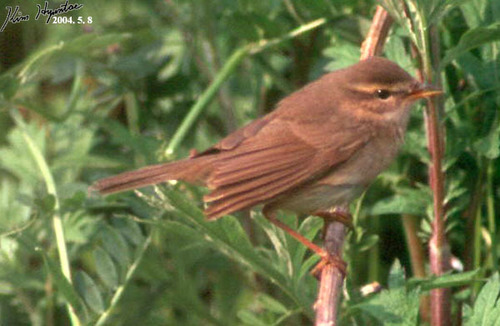 Luì scuro
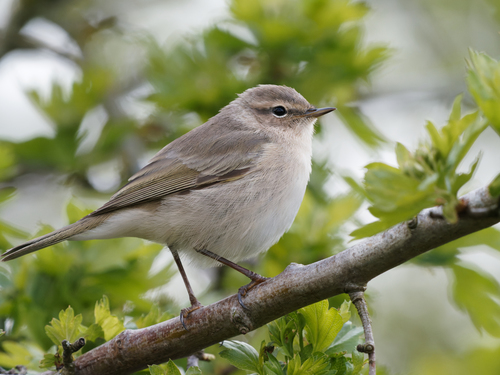 Luì piccolo
In breve
Il segno di campo più affidabile tra Luì scuro e Luì piccolo è il tono generale: Luì scuro è di un marrone più semplice e freddo sopra, con un sopracciglio biancastro più prominente e lungo, mentre Luì piccolo è di un marrone verdastro sopra con un sopracciglio più corto e meno distintivo. Gli uccelli giovani e con piumaggio fresco possono essere particolarmente confusi, ma Luì scuro manca sempre delle tonalità verdastre o giallastre di Luì piccolo. Entrambi sono piccoli, tozzi Phylloscopus con becchi fini, ma Luì scuro è leggermente più scuro e uniforme, specialmente nelle parti superiori. In caso di dubbio, concentrati sul modello del viso e sul colore generale, poiché le vocalizzazioni e le sottili differenze di jizz possono aiutare ma sono meno affidabili a distanza o con uccelli silenziosi.
Consigli di identificazione
- Lunghezza e contrasto del sopracciglio: Luì scuro mostra un sopracciglio biancastro più lungo e prominente che si estende bene dietro l'occhio; quello di Luì piccolo è più corto e meno distintivo. Questo è spesso il miglior segno singolo, specialmente sugli uccelli in perlustrazione.
- Colore delle parti superiori: Luì scuro è di un marrone semplice e non striato sopra (tonalità fredda, a volte leggermente oliva nei giovani), mentre Luì piccolo è di un marrone verdastro sopra, specialmente dopo la muta. Cerca eventuali toni verdi o gialli: questi indicano Luì piccolo.
- Colore delle parti inferiori: Luì scuro ha parti inferiori color crema, senza alcun lavaggio giallo. Luì piccolo può mostrare parti inferiori bianco sporco con fianchi giallastri (specialmente in piumaggio fresco o nei giovani). Se vedi giallo, è Luì piccolo.
- Modello del viso: Il viso di Luì scuro è più semplice e con maggiore contrasto a causa del forte sopracciglio; il viso di Luì piccolo è meno marcato, con un sopracciglio più debole e meno contrasto generale.
- Movimento della coda: Luì piccolo spesso abbassa e muove la coda da un lato all'altro; Luì scuro raramente lo fa. Fai attenzione a questo comportamento quando gli uccelli stanno cercando cibo.
- Proiezione primaria: Entrambi hanno una breve proiezione primaria, quindi questo non è un forte separatore tra questi due, anche se Luì piccolo è talvolta notato per questo.
- Colore delle zampe: Entrambe le specie hanno zampe scure, quindi questo non è utile per la separazione.
- Forma del becco: Entrambi hanno becchi fini e appuntiti tipici dei Phylloscopus; la struttura del becco non è un separatore.
- Confusione nei giovani: I giovani Luì scuro sono più oliva sopra rispetto agli adulti, ma non sono mai così verdastri o gialli come Luì piccolo. I giovani Luì piccolo sono più marroni sopra rispetto agli adulti, ma dopo la muta diventano più verdi e più chiari.
- Canto: Se senti un canto ripetitivo 'chiff-chaff', è Luì piccolo. Luì scuro non canta in questo modo.
- Habitat e contesto: Nell'Europa occidentale, Luì piccolo è comune e atteso; Luì scuro è un raro vagabondo, di solito in vegetazione densa e bassa. Se trovi un Phylloscopus in un bosco o parco tipico, è quasi certamente Luì piccolo.
- Stagione: Luì piccolo è presente in Europa dalla primavera precoce all'autunno, con alcune svernamenti. Luì scuro è probabile solo in autunno come vagabondo.
- Jizz in volo: Luì piccolo ha ali arrotondate in volo, ma questo è sottile e non un forte segno di campo tra questi due.
- Differenze sessuali: Entrambe le specie sono sessualmente monomorfiche; il sesso non può essere determinato dal piumaggio o dalle dimensioni sul campo.
- Trappole: Fai attenzione agli uccelli usurati o bagnati, che possono apparire più opachi e marroni del solito. Controlla sempre per toni verdi o gialli e la lunghezza del sopracciglio prima di fare un'identificazione.
Taglia
Entrambe le specie sono molto simili in dimensioni e forma, essendo piccoli, compatti uccelli fogliari con becchi fini e appuntiti. Luì piccolo è tipicamente lungo 10–12 cm e pesa 6–8 grammi [wikipedia], e Luì scuro è descritto come simile in dimensioni e forma a Luì piccolo [wikipedia]. Sul campo, la dimensione non è un separatore affidabile tra questi due.
Piumaggio
- Giovani e uccelli freschi post-giovanili: I giovani Luì scuro sono più oliva sopra rispetto agli adulti, ma mancano ancora delle tonalità verdastre o giallastre di Luì piccolo. I giovani Luì piccolo sono più marroni sopra rispetto agli adulti, con parti inferiori bianco-giallastre, ma dopo la loro prima muta (circa 10 settimane dopo la schiusa) diventano più luminosi e verdi sopra con un sopracciglio più chiaro.
- Adulti: Luì scuro è non striato, marrone semplice sopra e color crema sotto, con un sopracciglio biancastro lungo e prominente. Gli adulti di Luì piccolo sono marrone verdastro sopra, bianco sporco sotto (a volte giallastro sui fianchi in piumaggio fresco), e hanno un sopracciglio corto e meno distintivo. Entrambi hanno becchi fini e scuri e zampe scure, ma Luì piccolo può mostrare più toni gialli in piumaggio fresco, specialmente sui fianchi.
- Modello delle ali: Non sono notati forti segni o pannelli specifici per età nelle ali superiori per nessuna delle due specie; entrambe hanno ali piuttosto semplici. Luì piccolo ha una breve proiezione primaria, ma questo è sottile e non un forte segno di campo tra questi due.
Comportamento
Luì piccolo è ben noto per il suo distintivo movimento della coda: un abbassamento seguito da un movimento laterale, che è raramente mostrato da Luì scuro. Entrambe le specie sono attive, insettivore che cercano cibo nel fogliame, ma il movimento della coda di Luì piccolo è un utile indizio comportamentale. In volo, Luì piccolo mostra ali arrotondate, ma questo è sottile e non sempre diagnostico. Entrambe le specie sono spesso viste muoversi attraverso vegetazione bassa o arbusti.
Habitat
Luì scuro nidifica nell'est Palearctico, preferendo habitat densi e cespugliosi, specialmente vicino all'acqua. È un raro vagabondo in Europa, di solito trovato in vegetazione bassa e intricata. Luì piccolo è un comune nidificante in boschi aperti, parchi e giardini in tutta Europa e nel Palearctico, e sverna nel sud Europa, Asia e Nord Africa. Nell'Europa occidentale, Luì piccolo è molto più probabile tranne durante i periodi di picco di vagabondaggio per Luì scuro.
Voce
Luì piccolo è chiamato per il suo semplice e ripetitivo canto 'chiff-chaff', che è una caratteristica chiave di identificazione in primavera e all'inizio dell'estate. Il suo richiamo è un morbido 'hweet.' Le vocalizzazioni di Luì scuro non sono descritte in dettaglio qui, ma non sono così distintive come il canto di Luì piccolo. Gli uccelli silenziosi possono essere molto difficili, quindi fai affidamento sul piumaggio e sulla struttura quando non si sente alcun canto.