
Arnot's Chat vs Capped Wheatear
Myrmecocichla arnotti contro Oenanthe pileata
Fai un quiz con Arnot's Chat e Capped Wheatear
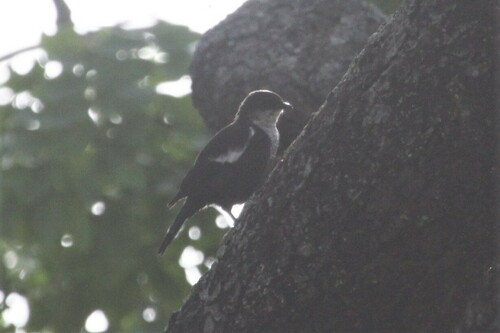 Arnot's Chat
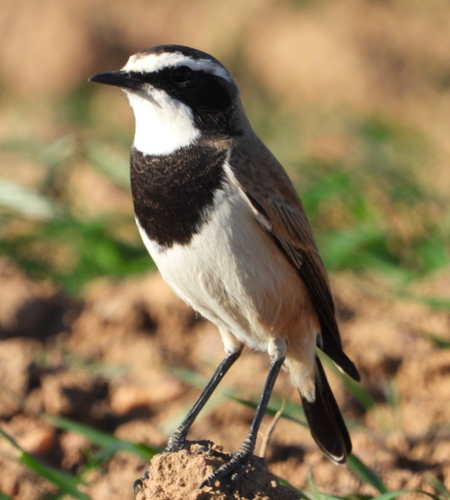 Capped Wheatear
In breve
Il segno di campo più affidabile per separare Arnot's Chat da Capped Wheatear è la presenza di una corona bianca nel maschio adulto di Arnot's Chat, rispetto al cappello nero e alla bold black breast band di Capped Wheatear. I giovani di entrambe le specie possono essere confusi, ma i giovani di Capped Wheatear mostrano un cappello marrone e una fascia petto diffusa, mentre i giovani di Arnot's Chat hanno piume con punte bianche sulla corona o sulla gola. In volo, Capped Wheatear mostra un distintivo motivo a T nero sulla parte posteriore bianca e sulla coda, che Arnot's Chat non ha. Entrambi sono simili in dimensioni e condividono zampe e becco neri, ma i loro motivi sulla testa e sulle ali sono i segni di campo più pratici.
Consigli di identificazione
- White crown (adult male Arnot's Chat): Cerca una corona bianca pura che contrasta con un corpo nero—unico per il maschio di Arnot's Chat tra questi due. Capped Wheatear ha sempre un cappello nero, non bianco, in tutte le livree.
- Black cap and breast band (Capped Wheatear): Il Capped Wheatear adulto mostra un cappello nero, guance e una bold black breast band, con una gola e parti inferiori bianche. Arnot's Chat non ha mai una fascia petto nera o una striscia oculare bianca.
- Tail pattern in flight (all ages): Capped Wheatear ha un distintivo T nero su una parte posteriore bianca e sulla coda, visibile quando l'uccello apre la coda o vola. Arnot's Chat non ha questo, avendo una coda e una parte posteriore più uniformemente scure.
- Juvenile head pattern: Il giovane Capped Wheatear ha un cappello marrone (non nero o bianco) e guance, e una debole fascia petto diffusa. Il giovane Arnot's Chat mostra piume con punte bianche sulla corona o sulla gola, che possono apparire macchiate ma non formano mai una corona bianca completa.
- White throat (female Arnot's Chat): La femmina di Arnot's Chat ha una gola e un collo bianchi, nettamente distinti da una corona e un corpo neri. In Capped Wheatear, la gola bianca si fonde nelle parti inferiori bianche e non è così nettamente definita.
- White patch on wing coverts (male Arnot's Chat): Il maschio di Arnot's Chat mostra una macchia bianca sulle copritrici delle ali, che è assente in Capped Wheatear.
- Buff flanks (Capped Wheatear): Gli adulti di Capped Wheatear hanno un colore buff sui fianchi e sul ventre inferiore, mentre Arnot's Chat è più uniformemente scuro sotto (eccetto per la gola bianca nelle femmine).
- Bill and legs: Entrambe le specie hanno becchi e zampe neri; questo non è un separatore utile.
- Perched posture: Entrambe le specie si posano erette, ma Capped Wheatear spesso muove la coda, attirando l'attenzione sulla parte posteriore bianca e sul motivo della coda.
- Subspecies confusion: Alcune sottospecie di Arnot's Chat (ad es., harterti) hanno meno bianco sulla testa e sulle ali, facendole apparire ancora più scure e più facili da confondere con Capped Wheatear. In questi casi, fai affidamento sul motivo della coda e sulla fascia petto.
- Habitat overlap: Anche se l'habitat può dare un indizio (Capped Wheatear in praterie aperte, Arnot's Chat in boschi/savanna), non fare affidamento solo su questo dove entrambe si trovano.
- Sexual dimorphism: Solo Arnot's Chat è fortemente dimorfico sessualmente nel motivo della testa (corona bianca nei maschi, nera nelle femmine); i sessi di Capped Wheatear sono simili.
- White eye stripe (Capped Wheatear): Il supercilium bianco (striscia oculare) è prominente in Capped Wheatear, assente in Arnot's Chat.
- Overall impression: Se l'uccello appare per lo più nero con una corona o una gola bianche, pensa ad Arnot's Chat. Se mostra un cappello nero, parti inferiori bianche e una fascia petto nera, pensa a Capped Wheatear.
- When in doubt: Osserva il motivo della coda in volo—il T nero di Capped Wheatear su bianco è il segno di campo più affidabile in tutte le età e sessi.
Taglia
Entrambe le specie sono molto simili in dimensioni: Arnot's Chat misura 16–18 cm e circa 35 g, mentre Capped Wheatear è 17–18 cm e circa 32 g [wikipedia]. Sul campo, la dimensione da sola non è un separatore utile. Entrambi hanno zampe nere e un becco nero appuntito, quindi le differenze strutturali sono sottili o assenti.
Piumaggio
-
Juveniles: Il giovane Capped Wheatear ha un cappello marrone e guance, con una debole fascia petto diffusa. Il giovane Arnot's Chat assomiglia agli adulti ma con punte bianche sulle piume sulla corona o sulla gola (non una corona o gola bianca completa). Il motivo della coda del giovane Capped Wheatear sta già sviluppando il T nero sulla parte posteriore bianca, che è assente in Arnot's Chat di qualsiasi età.
-
Adult males: Arnot's Chat (nominate) è nero con una striking white crown e una macchia bianca sulle copritrici delle ali. L'adulto di Capped Wheatear ha un cappello nero, guance e fascia petto, con una striscia oculare e gola bianche, e un ventre bianco con fianchi buff. Il motivo della coda di Capped Wheatear è diagnostico: un T nero su una parte posteriore bianca e sulla coda, a differenza della coda più uniformemente scura di Arnot's Chat.
-
Adult females: La femmina di Arnot's Chat ha una corona nera e una gola e un collo bianchi (con punte nere), mentre la femmina di Capped Wheatear è simile al maschio ma può essere leggermente più opaca. La gola bianca della femmina di Arnot's Chat è più isolata e nettamente definita rispetto alle parti inferiori bianche continue di Capped Wheatear.
-
Subspecies: Alcune razze di Arnot's Chat (ad es., harterti) hanno meno bianco sulle ali e una testa per lo più nera, il che può ridurre il contrasto con Capped Wheatear, ma il motivo della coda rimane un separatore affidabile.
Comportamento
Entrambe le specie sono insetti che vivono a terra e possono essere viste posate erette su arbusti bassi o rocce. Capped Wheatear spesso muove la coda e mostra la sua parte posteriore bianca in volo, un comportamento che attira l'attenzione sul suo motivo della coda. Arnot's Chat è meno probabile che mostri una parte posteriore bianca e può apparire più uniformemente scuro quando è posato o in volo.
Habitat
Entrambi si trovano nell'Africa meridionale e possono sovrapporsi nell'areale. Arnot's Chat è generalmente associato a boschi aperti e savanna, mentre Capped Wheatear favorisce praterie aperte, arbusti bassi e terreno nudo. Tuttavia, l'habitat da solo non è diagnostico dove gli areali si sovrappongono.