
Redpoll (Common) vs Redpoll (Hoary)
Acanthis flammea contro Acanthis hornemanni
Fai un quiz con Redpoll (Common) e Redpoll (Hoary)
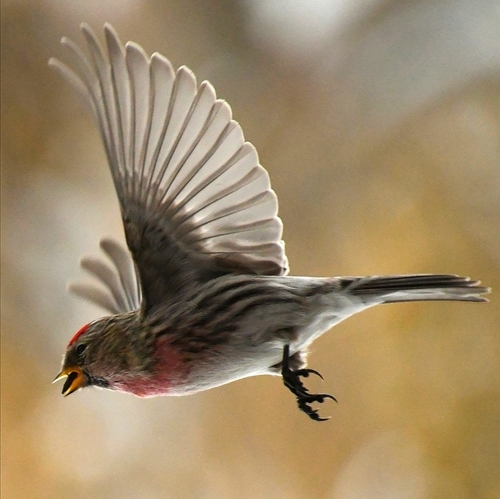 Redpoll (Common)
 Redpoll (Hoary)
In breve
Separare il Organetto (Common) dal Organetto (Hoary) è notoriamente difficile, specialmente sul campo, poiché entrambi sono piccoli fringillidi striati con fronti rosse e pettorali neri. Il segno distintivo più affidabile—quando visibile—è l'aspetto molto più chiaro e quasi bianco del Organetto (Hoary) e soprattutto il suo posteriore bianco senza striature o leggermente striato, rispetto al posteriore pesantemente striato del Organetto (Common). Gli uccelli giovani e di prima inverno sono particolarmente difficili, ma i Organetto (Hoary) appaiono generalmente più gelidi e meno marcati, mentre i Organetto (Common) mostrano toni più marroni e striature più pesanti. Le differenze strutturali sono sottili, e entrambe le specie si sovrappongono in dimensioni, ma prestare attenzione al motivo del posteriore e alla pallidezza generale, specialmente nei gruppi, offre la migliore possibilità di separazione.
Consigli di identificazione
- Motivo del posteriore (tutte le età): I Organetto (Hoary) hanno un posteriore bianco o quasi senza striature, meglio visibile in volo o quando l'uccello si pulisce; i Organetto (Common) hanno un posteriore pesantemente striato. Questo è il segno distintivo più affidabile.
- Pallidezza generale (tutte le età): I Organetto (Hoary) appaiono molto più chiari e gelidi, con un aspetto bianco o argentato, specialmente sul viso, sul ventre e sulla parte superiore. I Organetto (Common) sono più marroni e opachi nel complesso, con striature più estese.
- Striature sui fianchi: I Organetto (Hoary) hanno striature deboli o assenti sui fianchi, mentre i Organetto (Common) mostrano striature scure e audaci lungo i fianchi. Questo è particolarmente utile sugli uccelli posati.
- Viso e gola: I Organetto (Hoary) hanno un viso e una gola bianchi e puliti con un piccolo pettorale nero ordinato; i Organetto (Common) mostrano spesso un viso più scuro e un pettorale più diffuso.
- Bande alari: Entrambe le specie hanno due bande alari chiare, ma queste possono apparire più luminose e contrastanti sul Organetto (Hoary) a causa dello sfondo più chiaro.
- Struttura del becco: I Organetto (Hoary) mostrano talvolta un becco leggermente più corto e tozzo, ma questo è sottile e poco affidabile sul campo.
- Colore del petto (maschi): Entrambi possono avere una sfumatura rosata o rossa sul petto, ma i maschi del Organetto (Common) mostrano spesso un lavaggio rosso più profondo e esteso. Questo è variabile e non diagnostico da solo.
- Vent e copritail: I Organetto (Hoary) hanno copritail bianchi con poche o nessuna striatura; i Organetto (Common) hanno striature scure qui. Questo è un segno di supporto quando visibile.
- Uccelli giovani/di prima inverno: I giovani Organetto (Hoary) sono particolarmente chiari e gelidi, con pochissime striature, mentre i giovani Organetto (Common) sono più marroni e pesantemente striati.
- Composizione del gruppo: In gruppi misti, cerca gli individui più chiari e bianchi come potenziali Organetto (Hoary), ma controlla sempre il motivo del posteriore e dei fianchi per confermare.
- Contesto dell'habitat: Se visti nel lontano nord o nella vera tundra artica, è più probabile che si tratti di un Organetto (Hoary), ma entrambe le specie possono verificarsi insieme in inverno.
- Comportamento: Non utile per la separazione; entrambe le specie si comportano in modo simile.
- Dimensione: Non un separatore affidabile; entrambe sono ugualmente piccole.
- Voce: Nessuna differenza diagnostica notata nelle fonti fornite; non utilizzare la voce per la separazione.
- Trappole: Fai attenzione ai Organetto (Common) chiari e ai Organetto (Hoary) più scuri—controlla sempre più segni sul campo, specialmente le striature del posteriore e dei fianchi, prima di fare un'identificazione.
Taglia
Entrambe le specie sono molto simili in dimensioni, con adulti che misurano 11.5–14 cm di lunghezza e pesano 12–16 grammi, e un'apertura alare di 19–22 cm. Non c'è una differenza di dimensioni consistente sul campo; entrambe appaiono come piccoli fringillidi attivi. Non fare affidamento sulla dimensione per la separazione.
Piumaggio
Per tutte le età, la differenza chiave è il posteriore e la colorazione generale: i Organetto (Hoary) (inclusi i giovani e gli immaturi) hanno un posteriore bianco o quasi senza striature e un aspetto molto più chiaro e gelido nel complesso, mentre i Organetto (Common) mostrano un posteriore pesantemente striato e toni più marroni e opachi sulla parte superiore e sui fianchi. Entrambi hanno una fronte rossa e un pettorale nero, ma i Organetto (Hoary) di solito hanno meno striature sui fianchi e un ventre bianco più pulito. I maschi di entrambe le specie possono mostrare una sfumatura rosata sul petto, ma questa è spesso più estesa e luminosa nei Organetto (Common). Le bande alari sono presenti e simili in entrambe, ma possono apparire più nitide sul Organetto (Hoary) a causa dello sfondo più chiaro. Gli uccelli giovani e di prima inverno del Organetto (Hoary) sono particolarmente chiari e possono apparire quasi bianchi nella luce giusta, mentre i Organetto (Common) rimangono più striati e marroni.
Comportamento
Entrambe le specie sono altamente attive, spesso si nutrono acrobaticamente in gruppi su catkin di betulla e ontano. I loro movimenti e comportamenti alimentari sono quasi indistinguibili sul campo. Entrambi possono foraggiare sugli alberi o occasionalmente a terra. Il comportamento non è un separatore affidabile.
Habitat
L'overlap dell'habitat è esteso, specialmente in inverno, ma i Organetto (Hoary) nidificano più a nord nella vera tundra artica, mentre i Organetto (Common) occupano sia le zone artiche che quelle forestali boreali. Nella stagione non riproduttiva, entrambi possono verificarsi insieme negli stessi gruppi in habitat adatti (betulla, ontano, cespugli di salice). L'habitat non è un segno distintivo affidabile tranne che agli estremi dell'areale di nidificazione.
Redpoll (Common) · Redpoll (Hoary) · I miei uccelli difficili