

Denham's Bustard vs African Paradise-Flycatcher
Neotis denhami contro Terpsiphone viridis
Fai un quiz con Denham's Bustard e African Paradise-Flycatcher
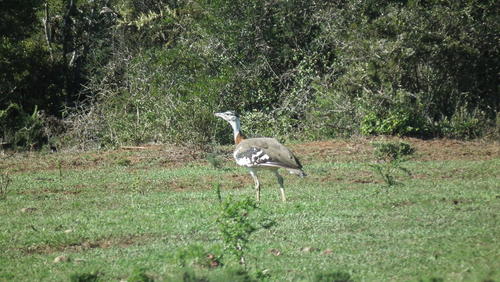 Denham's Bustard
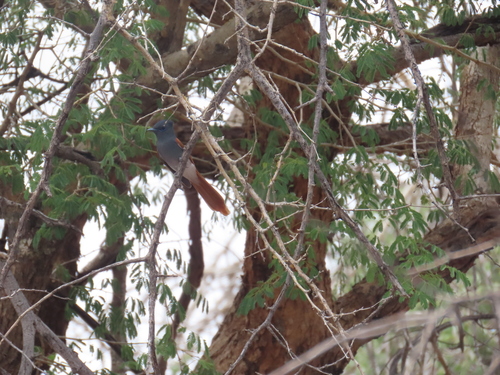 African Paradise-Flycatcher
In breve
Denham's Bustard e African Paradise-Flycatcher sono drammaticamente diversi in dimensioni, struttura e stile di volo, ma possono sorgere confusioni con viste distanti o brevi, specialmente di femmine o immaturi. Il segno distintivo più affidabile è la dimensione e la forma complessiva: Denham's Bustard è un uccello terrestre massiccio e lungo, con una corporatura pesante, mentre African Paradise-Flycatcher è un piccolo uccello canoro snodato, spesso con lunghe streamers nella coda nei maschi. In volo, Denham's Bustard mostra audaci motivi bianchi, marroni e neri sulle ali (soprattutto nei maschi adulti), mentre il flycatcher ha ali castagne con una striscia bianca (nei maschi adulti) e un volo molto più delicato e fluttuante. È possibile una sovrapposizione di habitat in campagna aperta, ma il loro comportamento e jizz sono distinti. Le vocalizzazioni sono anche un forte separatore: il flycatcher è rumoroso e rimproverante, mentre il bustard è solitamente silenzioso.
Consigli di identificazione
- Size and shape: Denham's Bustard è massiccio, con lunghe gambe e una postura pesante e verticale; African Paradise-Flycatcher è piccolo, snodato e si posiziona in verticale con una corporatura delicata. La dimensione da sola è diagnostica tranne che a grande distanza.
- Flight style: Bustard vola con battiti d'ala lenti e profondi e ali ampie, spesso basse sopra il terreno; flycatcher ha un volo fluttuante, agile e molto più leggero, spesso lanciandosi da posatoi.
- Tail: Il maschio flycatcher ha streamers della coda estremamente lunghi e stretti (più del doppio della lunghezza del corpo); il bustard ha una coda larga e corta rispetto alla dimensione del corpo. La femmina flycatcher ha una coda di lunghezza media, ancora molto più corta rispetto alla massa del bustard.
- Wing pattern in flight: Il maschio adulto di Denham's Bustard mostra audaci motivi bianchi, marroni e neri sulle ali, con ampie pannellature bianche; le femmine e i giovani hanno meno bianco. Il maschio flycatcher ha una piccola striscia bianca sulle ali castagne; la femmina non ha striscia.
- Plumage (perched): Il bustard ha un collo grigio chiaro con una nuca arancione, dorso marrone, parti inferiori bianche e un motivo facciale bianco e nero. Il maschio flycatcher è castagno sopra, con testa e parti inferiori nere lucide, striscia bianca; la femmina è più marrone, più chiara sotto, e manca della striscia.
- Leg color: Il bustard ha lunghe gambe giallo pallido; il flycatcher ha gambe corte e scure (spesso non visibili nel campo).
- Bill: Il bustard ha un becco spesso, di colore avorio pallido; il flycatcher ha un piccolo becco sottile e scuro adatto per catturare insetti.
- Behavior: Il bustard cammina a terra, raramente si posiziona; il flycatcher è quasi sempre posato o svolazza tra alberi e arbusti.
- Voice: Il flycatcher è rumoroso, con richiami aspri e rimproveranti; il bustard è quasi sempre silenzioso.
- Habitat context: Bustard in praterie aperte o campi agricoli, sempre a terra; flycatcher in boschi, margini forestali o savanna, di solito sopra il suolo.
- Sex/age pitfalls: Le femmine e i giovani flycatcher mancano di streamers e sono più opachi, ma sono comunque molto più piccoli e più arboricoli di qualsiasi bustard. Le femmine e i giovani bustards sono più marroni e meno marcati dei maschi, ma sono comunque enormi e terrestri.
- Courtship display: Solo il bustard gonfia la gola e si pavoneggia con un pallone bianco di piume; il flycatcher si esibisce aprendo la coda e fluttuando, ma mai con gonfiore della gola.
- Feeding behavior: Il bustard cerca insetti, piccoli vertebrati e piante a terra; il flycatcher cattura insetti in volo o raccoglie dalla vegetazione.
- Mixed flocks: Il flycatcher può unirsi a stormi di specie miste nel bosco; il bustard è solitario o in piccoli gruppi, mai in stormi misti.
- Confusion risk: Probabile solo con uccelli distanti e poco visibili, o con femmine/immaturi flycatchers privi di streamers. Controlla sempre prima la dimensione, l'habitat e il comportamento.
Taglia
Denham's Bustard è tra i più grandi uccelli terrestri africani, con maschi che raggiungono i 100–116 cm (39–46 in) di lunghezza e pesano 9–10 kg (20–22 lb), e le femmine sono ancora grandi a 80–87 cm (31–34 in) e 3–4 kg (6.6–8.8 lb) [wikipedia, avonet]. Al contrario, l'African Paradise-Flycatcher è un piccolo passeriforme: i maschi sono circa 17 cm (6.7 in) di lunghezza del corpo, ma con streamers della coda possono apparire fino a 34 cm (13 in); le femmine sono simili in dimensioni corporee ma mancano di streamers. Il bustard è più robusto di qualsiasi rapace o cicogna, mentre il flycatcher è più piccolo di un tordo e molto più leggero nella struttura.
Piumaggio
I giovani e le femmine di Denham's Bustards sono più semplici, marroni sopra e bianchi sotto, con meno bianco nelle ali rispetto ai maschi adulti. In volo, il maschio adulto di Denham's Bustard mostra un motivo sorprendente di marrone, bianco e nero sulle ali, con il bianco più prominente nei maschi; le femmine e i giovani hanno meno bianco e un motivo più opaco. L'African Paradise-Flycatcher maschio adulto è castagno sopra con una testa e parti inferiori nere, una striscia bianca e lunghe streamers; le femmine sono più marroni, mancano della striscia e delle streamers, e sono più opache nel complesso. I giovani flycatchers assomigliano alle femmine ma sono ancora meno vivaci. Il collo grigio chiaro del bustard con nuca arancione e motivo facciale bianco e nero è unico, mentre la testa nera lucida del flycatcher (maschio) o la testa marrone più chiara (femmina) e le parti inferiori blu-grigie sono distintive da vicino. Non c'è sovrapposizione nel motivo delle ali: i bustards hanno marcature audaci e squadrate, mentre i flycatchers hanno una piccola e ordinata striscia bianca (solo nei maschi).
Comportamento
Denham's Bustard è solitamente solitario o in piccoli gruppi, camminando lentamente a terra in praterie aperte o campi agricoli, e raramente si posiziona. Il suo volo è pesante e diretto, con ali ampie e battiti d'ala lenti. Durante il corteggiamento, il maschio gonfia la gola e si pavoneggia con un pallone bianco di piume. L'African Paradise-Flycatcher è attivo, irrequieto e spesso visto lanciarsi per insetti dai posatoi, con un volo fluttuante e agile. Si posiziona in verticale, spesso su rami a livello medio, ed è molto più arboricolo. Il flycatcher è rumoroso e appariscente, mentre il bustard è generalmente silenzioso e cauto.
Habitat
Entrambe le specie possono verificarsi in habitat aperti, ma Denham's Bustard preferisce praterie aperte, pianure alluvionali e talvolta terreni agricoli, avventurandosi raramente in boschi densi. Può essere trovato a elevate fino a 3.000 m. L'African Paradise-Flycatcher preferisce foreste aperte, margini boschivi e savanna, ed è più probabile trovarlo in alberi o arbusti. Anche se entrambe possono essere presenti in mosaici di savanna, il bustard è sempre a terra, mentre il flycatcher è quasi sempre sugli alberi o nei cespugli.
Voce
Denham's Bustard è solitamente silenzioso, anche durante le esibizioni, sebbene i maschi possano chiamare dolcemente quando si esibiscono. L'African Paradise-Flycatcher è rumoroso, con un richiamo aspro e rimproverante che spesso si sente prima di vedere l'uccello. Se senti un rimprovero o un chiacchiericcio forte e ripetuto, è quasi certamente il flycatcher.
Denham's Bustard · African Paradise-Flycatcher · I miei uccelli difficili