
Hammond's Flycatcher vs Dusky Flycatcher
Empidonax hammondii contro Empidonax oberholseri
Fai un quiz con Hammond's Flycatcher e Dusky Flycatcher
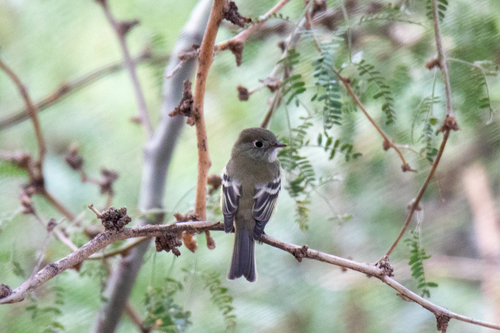 Hammond's Flycatcher
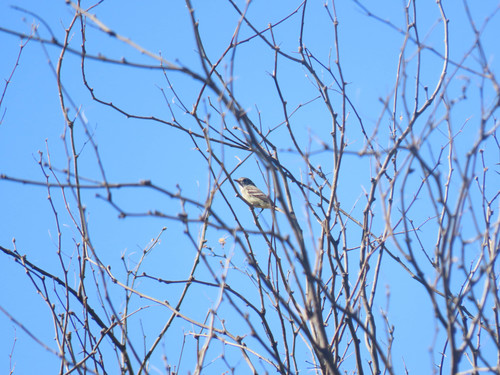 Dusky Flycatcher
In breve
Hammond's e Dusky Flycatchers sono infamemente simili, ma il segno di campo più affidabile è la struttura: Hammond's ha una coda visibilmente più corta e un becco più piccolo, mentre Dusky mostra una coda di lunghezza media e un becco per lo più scuro, leggermente più lungo. Entrambi hanno parti superiori di colore oliva-grigio, parti inferiori biancastre e anelli oculari bianchi, ma sottili differenze nel colore del petto e dell'addome, così come nella forma del becco, possono aiutare. I giovani di entrambe le specie sono molto simili, anche se Hammond's può mostrare barre alari più larghe e più chiare. Voce, habitat e distribuzione sono spesso più utili della sola livrea, ma un'attenta attenzione alla struttura e alle sottili differenze di colore può separarli sul campo.
Consigli di identificazione
- Tail length: Hammond's Flycatcher ha una coda visibilmente corta, mentre quella di Dusky è di lunghezza media. Confronta con Empidonax vicini se possibile; questo è più utile su uccelli posati.
- Bill shape and color: Hammond's mostra un piccolo becco (femmine soprattutto corte e larghe), mentre Dusky's è più lungo, di larghezza media e per lo più scuro. Il colore del becco è sottile ma può aiutare con buone viste.
- Breast and belly color: Hammond's ha un petto grigio e fianchi giallastri, mentre il petto di Dusky è oliva-grigio con meno giallo sui lati. Questo è sottile e può essere influenzato dalla luce.
- Eye ring: Entrambi hanno anelli oculari bianchi, ma quello di Hammond's è spesso descritto come più evidente, mentre quello di Dusky è di larghezza media. L'overlap è comune; usalo solo come segno di supporto.
- Wing bars (immatures): I giovani e i primi anni di Hammond's possono mostrare barre alari più larghe e più chiare rispetto a Dusky, ma questo è variabile e non sempre affidabile.
- Size impression: Hammond's è leggermente più piccolo e più compatto, ma questo è sottile e meglio utilizzato in confronto diretto.
- Perched posture: Hammond's appare spesso più eretto e compatto, mentre Dusky può sembrare con una coda più lunga e leggermente più allungata.
- Habitat context: Hammond's è più probabile in foreste conifere mature e dense; Dusky è più tollerante di boschi aperti, aree cespugliose e bordi forestali. L'habitat è di supporto, non diagnostico.
- Song: Il canto di Hammond's è multi-versa e rauco; quello di Dusky è più semplice e secco. Impara entrambi a orecchio per i migliori risultati.
- Call: Hammond's emette un 'peek' acuto; Dusky un 'whit' secco. Le chiamate sono simili ma possono essere distinte con la pratica.
- Seasonal context: Entrambe le specie si sovrappongono nella migrazione, ma l'habitat di nidificazione può essere un forte indizio—Hammond's in foreste mature, Dusky in aree più cespugliose o aperte.
- Sex differences: Le femmine di Hammond's possono avere un becco più corto e più largo rispetto ai maschi, ma questo non è solitamente diagnostico sul campo.
- Jizz in flight: Non sono state notate forti differenze, ma Hammond's può apparire più compatto e acrobatico, specialmente nella chioma.
- Range overlap: Entrambe le specie possono verificarsi insieme in alcune parti dell'Ovest; non fare affidamento solo sulla distribuzione.
- Plumage pitfalls: Entrambe le specie sono estremamente simili in tutte le livree; struttura e voce sono più affidabili del colore o del motivo.
Taglia
Hammond's Flycatcher è leggermente più piccolo in generale, misurando 12–14 cm di lunghezza e pesando 8–12 g [wikipedia]. Dusky Flycatcher è un po' più grande di Hammond's ma più piccolo di Gray Flycatcher, collocandosi nel mezzo della gamma di dimensioni di Empidonax. Entrambi sono piccoli flycatchers, e la dimensione da sola è raramente diagnostica sul campo, ma Hammond's appare generalmente più minuta, specialmente con la sua coda più corta e il becco più piccolo.
Piumaggio
Per entrambe le specie, gli adulti hanno parti superiori di colore oliva-grigio, ali e coda più scure, parti inferiori biancastre e barre alari bianche. Hammond's Flycatcher mostra un petto grigio e fianchi giallastri, mentre il petto di Dusky è di colore oliva-grigio e manca di forte giallo sui fianchi. L'anello oculare è evidente in Hammond's e di larghezza media in Dusky, ma entrambi sono bianchi e possono sovrapporsi nell'aspetto. I giovani Hammond's Flycatchers hanno barre alari più larghe e più chiare rispetto agli adulti, una caratteristica che si osserva anche nei giovani Duskys ma riportata come più pronunciata in Hammond's. Il colore e la forma del becco differiscono: Hammond's ha un piccolo becco (femmine soprattutto corte e larghe), mentre quello di Dusky è di lunghezza media e per lo più scuro. La lunghezza della coda è più corta in Hammond's e media in Dusky. Non è stato notato alcun modello distintivo della parte superiore dell'ala nei giovani (come una W nera o pannelli a contrasto) per entrambe le specie, quindi la separazione specifica per età è sottile e si basa sulla larghezza della barra alare e sulla struttura generale.
Comportamento
Entrambe le specie si lanciano da posatoi per catturare insetti e possono raccogliere in volo dalla vegetazione. Hammond's è spesso visto più in alto nella chioma, specialmente in foreste conifere mature, mentre Dusky può utilizzare habitat più aperti o ai bordi. Entrambi possono essere difficili da osservare per lunghi periodi, ma Hammond's può apparire più attivo e acrobatico nei rami superiori, mentre Dusky spesso si posiziona più in basso e può sembrare più deliberato nei movimenti.
Habitat
Hammond's Flycatcher preferisce foreste conifere mature e miste, specialmente dense foreste di abete, conifere e pioppi in Nord America occidentale. Dusky Flycatcher utilizza anch'esso habitat conifere e misti ma è più probabile trovarlo in aree cespugliose, bordi forestali o boschi più aperti. Si verifica una sovrapposizione, ma Hammond's è più strettamente legato a foreste mature e dense, mentre Dusky tollera ambienti più aperti e cespugliosi.
Voce
Le vocalizzazioni sono tra i migliori indizi di campo. Hammond's Flycatcher emette un canto multi-versa e rauco (ssilit, greeep, silit, pweet) e una chiamata acuta 'peek'. Dusky Flycatcher canta un canto a tre parti e emette una chiamata secca 'whit', a volte una triste 'dew-hic.' Entrambi possono sembrare simili all'orecchio non allenato, ma il canto di Hammond's è più vario e rauco, mentre quello di Dusky è più semplice e secco. Le chiamate sono meglio apprese a orecchio sul campo.
Hammond's Flycatcher · Dusky Flycatcher · I miei uccelli difficili