

Tuffetto vs Western Yellow-billed Barbet
Tachybaptus ruficollis contro Trachylaemus goffinii
Fai un quiz con Tuffetto e Western Yellow-billed Barbet
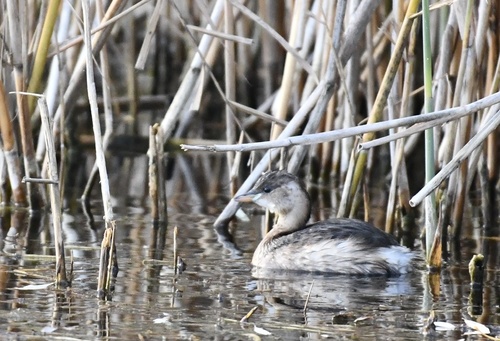 Tuffetto
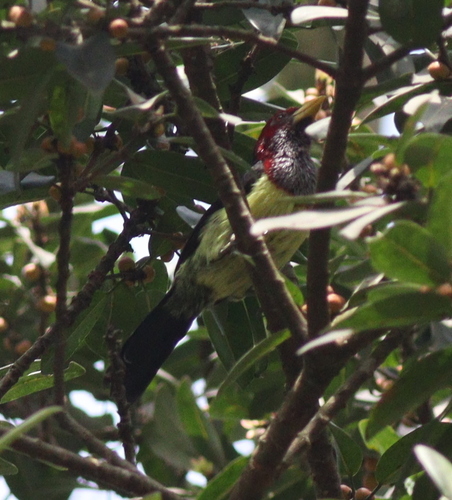 Western Yellow-billed Barbet
In breve
Il segno distintivo più affidabile per separare il Tuffetto dal Western Yellow-billed Barbet è la struttura generale e l'habitat: il Tuffetto è un piccolo uccello acquatico da immersione con un becco appuntito e un posteriore soffice, mentre il Western Yellow-billed Barbet è un barbet tozzo, abitante degli alberi, con un becco giallo spesso. I Tuffetti giovani mostrano strisce nere e bianche distintive sul viso e sul collo e un becco giallo con una punta nera, mentre i barbet non mostrano mai questo schema. In tutte le età e stagioni, il Tuffetto viene visto nuotare o immergersi in acqua, mentre il barbet è sempre appollaiato o si muove sugli alberi. Se vedi un piccolo uccello dal corpo rotondo su acqua aperta, è un Tuffetto; un uccello tozzo e dalla testa grande su un albero con un pesante becco giallo è il barbet.
Consigli di identificazione
- Schema del viso giovanile: I Tuffetti giovani hanno strisce nere e bianche sulle guance e sui lati del collo e un becco giallo con una punta nera; il Western Yellow-billed Barbet non mostra mai questo schema a nessuna età.
- Forma e colore del becco: Il Tuffetto ha un becco appuntito e dritto (giallo nei giovani, nero negli adulti); il barbet ha un becco giallo spesso, pesante e a base larga in tutte le livree.
- Struttura del corpo: Il Tuffetto è compatto, dal corpo rotondo, con un collo corto e quasi senza coda ('posteriore soffice'); il barbet è tozzo, con una testa grande, e ha una coda proporzionalmente più lunga e una postura più eretta.
- Livrea (adulto in riproduzione): Il Tuffetto in livrea di riproduzione ha un collo, guance e fianchi di un ricco color ruggine, con una bocca gialla brillante; il barbet non mostra mai ruggine o questo schema di colore.
- Livrea (non in riproduzione/giovanile): I Tuffetti non in riproduzione e giovanili sono di colore grigio-bruno con una calotta e un dorso più scuri, mantenendo comunque un aspetto acquatico compatto; il barbet rimane verdastro o bruno e non appare mai acquatico.
- Schema delle ali in volo: Alcune sottospecie di Tuffetto mostrano bianco nelle secondarie, ma questo è variabile; il barbet non mostra pannelli bianchi sulle ali.
- Habitat: Il Tuffetto è sempre su o vicino all'acqua; il barbet è sempre sugli alberi o in vegetazione densa, mai sull'acqua.
- Comportamento: I Tuffetti si immergono e affondano quando disturbati, raramente volano lontano; i barbet saltano o volano tra i rami, si appollaiano in posizione eretta e non si immergono mai.
- Vocalizzazione: Il richiamo del Tuffetto è un trillato 'weet-weet-weet' o 'wee-wee-wee', come un nitrito di cavallo; i richiami del barbet non sono descritti qui ma sono tipicamente forti, ripetitivi e diversi da quelli del tuffetto.
- Contesto: Se vedi un piccolo uccello nuotare o immergersi in uno stagno o lago, è un tuffetto; se vedi un uccello tozzo con un becco giallo su un albero, è un barbet.
- Variazione stagionale: La livrea di riproduzione ruggine del tuffetto è presente solo in primavera e estate; altrimenti, cerca la forma compatta e le abitudini acquatiche.
- Variazione delle sottospecie: Alcune sottospecie di Tuffetto mostrano più bianco nell'ala, ma questo non è un segno affidabile per separare dal barbet.
- Colore degli occhi: Alcune sottospecie di tuffetto hanno un colore degli occhi variabile, ma questo non è un segno chiave per questo confronto.
- Trappole comuni: Non confondere il viso striato di un tuffetto giovane e il becco giallo con il becco giallo di un barbet; l'habitat e la forma del corpo sono sempre diversi.
- Quando hai dubbi: Controlla sempre prima l'habitat: acqua significa tuffetto, alberi significano barbet.
Taglia
Il Tuffetto è un piccolo uccello acquatico, visibilmente più piccolo e compatto rispetto al Western Yellow-billed Barbet. Il tuffetto ha un collo corto e un becco appuntito, conferendogli un aspetto delicato. Al contrario, il barbet è un uccello robusto e tozzo con una grande testa e un pesante becco giallo a base larga, tipico dei barbet. La lunghezza e la massa complessive del tuffetto sono inferiori a quelle del barbet, ma la differenza è più evidente nelle proporzioni del becco e del corpo.
Piumaggio
I Tuffetti giovani sono distintivi: hanno un becco giallo con una piccola punta nera, e le loro guance e i lati del collo sono segnati da strisce nere e bianche. Questo schema è unico e non si trova nel barbet a nessuna età. Man mano che i Tuffetti maturano, il becco scurisce a nero, e negli adulti in riproduzione, il collo, le guance e i fianchi diventano di un ricco color ruggine, con una bocca gialla brillante. Negli uccelli non in riproduzione e giovanili, il ruggine è sostituito da un grigio-bruno opaco, ma l'uccello rimane scuro sopra con un ventre più chiaro e un cappuccio più scuro. Il barbet, al contrario, non mostra mai ruggine o volti striati; la sua principale caratteristica di livrea è il becco giallo, e il suo corpo è tipicamente verdastro o bruno, a seconda della sottospecie, senza adattamenti acquatici. In volo, i Tuffetti mostrano bianco variabile nelle secondarie a seconda della sottospecie, ma questo non è una caratteristica del barbet. Il posteriore 'soffice' del tuffetto e l'aspetto compatto e senza coda sono unici.
Comportamento
Il Tuffetto si trova sempre in acqua, immergendosi frequentemente e raramente visto lontano dal bordo dell'acqua. Spesso affonda rapidamente quando disturbato. Il Western Yellow-billed Barbet è strettamente arboricolo, muovendosi attraverso alberi e arbusti, spesso in coppie o piccoli gruppi, e non entra mai in acqua. Il comportamento del tuffetto è segreto e acquatico, mentre il barbet è appariscente, appollaiandosi in posizione eretta sui rami e chiamando ad alta voce.
Habitat
Il Tuffetto è limitato a habitat di acqua dolce come stagni, laghi e fiumi lenti, sempre su o vicino all'acqua. Il Western Yellow-billed Barbet si trova in habitat boschivi, ai margini delle foreste e nei giardini, sempre sugli alberi o in vegetazione densa e mai su acqua aperta. Se vedi l'uccello in acqua, è un tuffetto; sugli alberi, è un barbet.
Voce
Il richiamo di riproduzione del Tuffetto è un trillato, ripetuto 'weet-weet-weet' o 'wee-wee-wee', che ricorda il nitrito di un cavallo. Il richiamo del barbet non è descritto nelle note fornite, ma i barbet tipicamente hanno richiami forti, ripetitivi e a volte meccanici, molto diversi dai trill del tuffetto. Se senti un trillato nitrito vicino all'acqua, sospetta un Tuffetto.
Tuffetto · Western Yellow-billed Barbet · I miei uccelli difficili