
Motmot

Little Grebe vs Western Yellow-billed Barbet

Tachybaptus ruficollis versus Trachylaemus goffinii

Play a quiz with Little Grebe and Western Yellow-billed Barbet
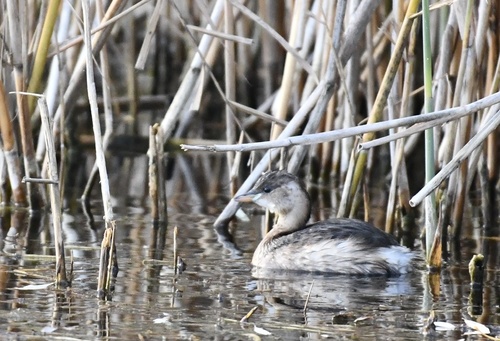
Little Grebe (Tachybaptus ruficollis) Little Grebe
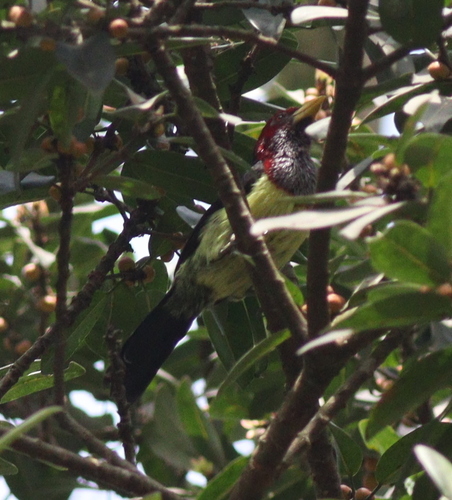
Western Yellow-billed Barbet (Trachylaemus goffinii) Western Yellow-billed Barbet

Media

Loading…

In short

The most reliable field mark to separate Little Grebe from Western Yellow-billed Barbet is overall structure and habitat: Little Grebe is a small, aquatic diving bird with a pointed bill and powder-puff rear, while Western Yellow-billed Barbet is a chunky, tree-dwelling barbet with a thick yellow bill. Juvenile Little Grebes show distinctive black-and-white streaks on the face and neck and a yellow bill with a black tip, while barbets never show this pattern. In all ages and seasons, Little Grebe is seen swimming or diving on water, whereas the barbet is always perched or moving in trees. If you see a small, round-bodied bird on open water, it is a Little Grebe; a thickset, large-headed bird in a tree with a heavy yellow bill is the barbet.

Identification tips

  1. Juvenile face pattern: Juvenile Little Grebes have black-and-white streaks on the cheeks and neck sides and a yellow bill with a black tip; Western Yellow-billed Barbet never shows this pattern at any age.
  2. Bill shape and color: Little Grebe has a pointed, straight bill (yellow in juveniles, black in adults); the barbet has a thick, heavy, broad-based yellow bill in all plumages.
  3. Body structure: Little Grebe is compact, round-bodied, with a short neck and almost no tail ('powder puff' rear); the barbet is chunky, large-headed, and has a proportionally longer tail and a more upright stance.
  4. Plumage (breeding adult): Little Grebe in breeding plumage has a rich rufous neck, cheeks, and flanks with a bright yellow gape; the barbet never shows rufous or this color pattern.
  5. Plumage (non-breeding/juvenile): Non-breeding and juvenile Little Grebes are brownish-grey with a darker cap and back, still with a compact, aquatic look; the barbet remains greenish or brownish and never appears aquatic.
  6. Wing pattern in flight: Some Little Grebe subspecies show white in the secondaries, but this is variable; the barbet does not show white wing panels.
  7. Habitat: Little Grebe is always on or near water; barbet is always in trees or dense vegetation, never on water.
  8. Behavior: Grebes dive and sink when disturbed, rarely fly far; barbets hop or fly between branches, perch upright, and never dive.
  9. Vocalization: Little Grebe's call is a trilled 'weet-weet-weet' or 'wee-wee-wee', like a horse whinny; barbet calls are not described here but are typically loud, repetitive, and different from the grebe's.
  10. Context: If you see a small bird swimming or diving on a pond or lake, it is a grebe; if you see a thickset bird with a yellow bill in a tree, it is a barbet.
  11. Seasonal variation: The grebe's rufous breeding plumage is only present in spring and summer; otherwise, look for the compact shape and aquatic habits.
  12. Subspecies variation: Some Little Grebe subspecies show more white in the wing, but this is not a reliable mark for separating from barbet.
  13. Eye color: Some grebe subspecies have variable eye color, but this is not a key mark for this comparison.
  14. Common pitfalls: Do not confuse a juvenile grebe's streaked face and yellow bill for a barbet's yellow bill; the habitat and body shape are always different.
  15. When in doubt: Always check habitat first—water means grebe, trees mean barbet.

Size

Little Grebe is a small waterbird, noticeably smaller and more compact than the Western Yellow-billed Barbet. The grebe has a short neck and a pointed bill, giving it a delicate appearance. In contrast, the barbet is a robust, thickset bird with a large head and a heavy, broad-based yellow bill, typical of barbets. The grebe's overall length and mass are less than the barbet's, but the difference is most obvious in the bill and body proportions.

Plumage

Juvenile Little Grebes are distinctive: they have a yellow bill with a small black tip, and their cheeks and neck sides are marked with black and white streaks. This pattern is unique and not found in the barbet at any age. As Little Grebes mature, the bill darkens to black, and in breeding adults, the neck, cheeks, and flanks turn rich rufous, with a bright yellow gape. In non-breeding and juvenile birds, the rufous is replaced by a dull brownish-grey, but the bird remains dark above with a paler, buffy underside and a darker cap. The barbet, by contrast, never shows rufous or streaked faces; its main plumage feature is the yellow bill, and its body is typically greenish or brownish, depending on subspecies, with no aquatic adaptation. In flight, Little Grebes show variable white on the secondaries depending on subspecies, but this is not a feature of the barbet. The grebe's 'powder puff' rear and compact, tailless look are unique.

Behaviour

Little Grebe is always found on water, diving frequently and rarely seen far from the water's edge. It often sinks rapidly when disturbed. The Western Yellow-billed Barbet is strictly arboreal, moving through trees and shrubs, often in pairs or small groups, and never enters water. The grebe's behavior is secretive and aquatic, while the barbet is conspicuous, perching upright on branches and calling loudly.

Habitat

Little Grebe is restricted to freshwater habitats such as ponds, lakes, and slow rivers, always on or near water. Western Yellow-billed Barbet is found in wooded habitats, forest edges, and gardens, always in trees or dense vegetation and never on open water. If you see the bird on water, it is a grebe; in trees, it is a barbet.

Voice

Little Grebe's breeding call is a trilled, repeated 'weet-weet-weet' or 'wee-wee-wee', reminiscent of a horse whinnying. The barbet's call is not described in the provided notes, but barbets typically have loud, repetitive, and sometimes mechanical-sounding calls, very different from the grebe's trills. If you hear a whinnying trill near water, suspect Little Grebe.

Submit a better description

Use the same sections as the comparison. Your text is published immediately.

The most reliable field mark to separate Little Grebe from Western Yellow-billed Barbet is overall structure and habitat: Little Grebe is a small, aquatic diving bird with a pointed bill and powder-puff rear, while Western Yellow-billed Barbet is a chunky, tree-dwelling barbet with a thick yellow bill. Juvenile Little Grebes show distinctive black-and-white streaks on the face and neck and a yellow bill with a black tip, while barbets never show this pattern. In all ages and seasons, Little Grebe is seen swimming or diving on water, whereas the barbet is always perched or moving in trees. If you see a small, round-bodied bird on open water, it is a Little Grebe; a thickset, large-headed bird in a tree with a heavy yellow bill is the barbet.

  1. Juvenile face pattern: Juvenile Little Grebes have black-and-white streaks on the cheeks and neck sides and a yellow bill with a black tip; Western Yellow-billed Barbet never shows this pattern at any age.
  2. Bill shape and color: Little Grebe has a pointed, straight bill (yellow in juveniles, black in adults); the barbet has a thick, heavy, broad-based yellow bill in all plumages.
  3. Body structure: Little Grebe is compact, round-bodied, with a short neck and almost no tail ('powder puff' rear); the barbet is chunky, large-headed, and has a proportionally longer tail and a more upright stance.
  4. Plumage (breeding adult): Little Grebe in breeding plumage has a rich rufous neck, cheeks, and flanks with a bright yellow gape; the barbet never shows rufous or this color pattern.
  5. Plumage (non-breeding/juvenile): Non-breeding and juvenile Little Grebes are brownish-grey with a darker cap and back, still with a compact, aquatic look; the barbet remains greenish or brownish and never appears aquatic.
  6. Wing pattern in flight: Some Little Grebe subspecies show white in the secondaries, but this is variable; the barbet does not show white wing panels.
  7. Habitat: Little Grebe is always on or near water; barbet is always in trees or dense vegetation, never on water.
  8. Behavior: Grebes dive and sink when disturbed, rarely fly far; barbets hop or fly between branches, perch upright, and never dive.
  9. Vocalization: Little Grebe's call is a trilled 'weet-weet-weet' or 'wee-wee-wee', like a horse whinny; barbet calls are not described here but are typically loud, repetitive, and different from the grebe's.
  10. Context: If you see a small bird swimming or diving on a pond or lake, it is a grebe; if you see a thickset bird with a yellow bill in a tree, it is a barbet.
  11. Seasonal variation: The grebe's rufous breeding plumage is only present in spring and summer; otherwise, look for the compact shape and aquatic habits.
  12. Subspecies variation: Some Little Grebe subspecies show more white in the wing, but this is not a reliable mark for separating from barbet.
  13. Eye color: Some grebe subspecies have variable eye color, but this is not a key mark for this comparison.
  14. Common pitfalls: Do not confuse a juvenile grebe's streaked face and yellow bill for a barbet's yellow bill; the habitat and body shape are always different.
  15. When in doubt: Always check habitat first—water means grebe, trees mean barbet.

Little Grebe is a small waterbird, noticeably smaller and more compact than the Western Yellow-billed Barbet. The grebe has a short neck and a pointed bill, giving it a delicate appearance. In contrast, the barbet is a robust, thickset bird with a large head and a heavy, broad-based yellow bill, typical of barbets. The grebe's overall length and mass are less than the barbet's, but the difference is most obvious in the bill and body proportions.

Juvenile Little Grebes are distinctive: they have a yellow bill with a small black tip, and their cheeks and neck sides are marked with black and white streaks. This pattern is unique and not found in the barbet at any age. As Little Grebes mature, the bill darkens to black, and in breeding adults, the neck, cheeks, and flanks turn rich rufous, with a bright yellow gape. In non-breeding and juvenile birds, the rufous is replaced by a dull brownish-grey, but the bird remains dark above with a paler, buffy underside and a darker cap. The barbet, by contrast, never shows rufous or streaked faces; its main plumage feature is the yellow bill, and its body is typically greenish or brownish, depending on subspecies, with no aquatic adaptation. In flight, Little Grebes show variable white on the secondaries depending on subspecies, but this is not a feature of the barbet. The grebe's 'powder puff' rear and compact, tailless look are unique.

Little Grebe is always found on water, diving frequently and rarely seen far from the water's edge. It often sinks rapidly when disturbed. The Western Yellow-billed Barbet is strictly arboreal, moving through trees and shrubs, often in pairs or small groups, and never enters water. The grebe's behavior is secretive and aquatic, while the barbet is conspicuous, perching upright on branches and calling loudly.

Little Grebe is restricted to freshwater habitats such as ponds, lakes, and slow rivers, always on or near water. Western Yellow-billed Barbet is found in wooded habitats, forest edges, and gardens, always in trees or dense vegetation and never on open water. If you see the bird on water, it is a grebe; in trees, it is a barbet.

Little Grebe's breeding call is a trilled, repeated 'weet-weet-weet' or 'wee-wee-wee', reminiscent of a horse whinnying. The barbet's call is not described in the provided notes, but barbets typically have loud, repetitive, and sometimes mechanical-sounding calls, very different from the grebe's trills. If you hear a whinnying trill near water, suspect Little Grebe.

Discard your changes?

You have unsaved edits. If you leave now, those changes will be lost.

Little Grebe · Western Yellow-billed Barbet · My Tricky Birds