

mergulhão-pequeno-europeu vs western yellow-billed barbet
Tachybaptus ruficollis versus Trachylaemus goffinii
Jogue um quiz com mergulhão-pequeno-europeu e western yellow-billed barbet
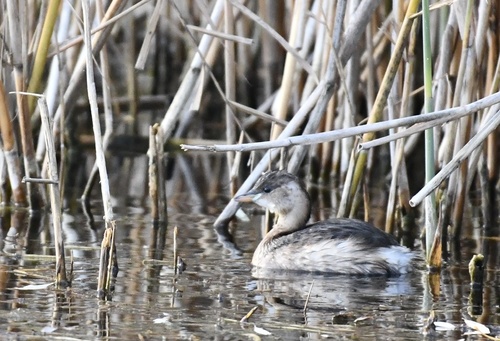 mergulhão-pequeno-europeu
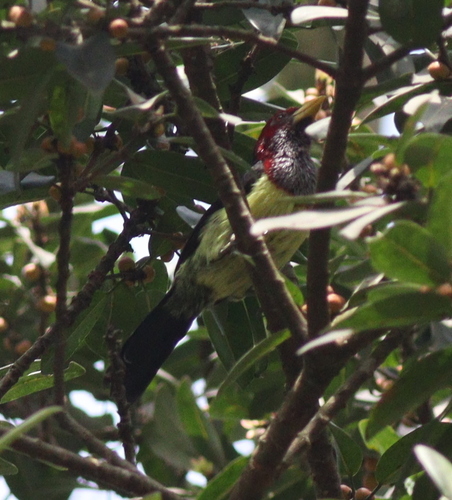 western yellow-billed barbet
Em resumo
A marca de campo mais confiável para separar o mergulhão-pequeno-europeu do western yellow-billed barbet é a estrutura geral e o habitat: o mergulhão-pequeno-europeu é uma pequena ave aquática mergulhadora com um bico pontudo e uma parte traseira semelhante a um 'puff de pó', enquanto o western yellow-billed barbet é um barbet robusto, que vive em árvores, com um bico amarelo grosso. Os mergulhões-pequenos-europeus juvenis apresentam listras distintas em preto e branco no rosto e no pescoço e um bico amarelo com uma ponta preta, enquanto os barbets nunca mostram esse padrão. Em todas as idades e estações, o mergulhão-pequeno-europeu é visto nadando ou mergulhando na água, enquanto o barbet está sempre empoleirado ou se movendo nas árvores. Se você ver uma pequena ave de corpo redondo em água aberta, é um mergulhão-pequeno-europeu; uma ave robusta, de cabeça grande em uma árvore com um bico amarelo pesado é o barbet.
Dicas de identificação
- Padrão facial juvenil: Os mergulhões-pequenos-europeus juvenis têm listras em preto e branco nas bochechas e lados do pescoço e um bico amarelo com uma ponta preta; o western yellow-billed barbet nunca mostra esse padrão em nenhuma idade.
- Forma e cor do bico: O mergulhão-pequeno-europeu tem um bico pontudo e reto (amarelo em juvenis, preto em adultos); o barbet tem um bico amarelo grosso, pesado e de base larga em todas as plumagens.
- Estrutura do corpo: O mergulhão-pequeno-europeu é compacto, de corpo redondo, com um pescoço curto e quase sem cauda ('parte traseira semelhante a um puff de pó'); o barbet é robusto, de cabeça grande, e tem uma cauda proporcionalmente mais longa e uma postura mais ereta.
- Plumagem (adulto em reprodução): O mergulhão-pequeno-europeu em plumagem de reprodução tem um pescoço, bochechas e flancos de um rico ruivo, com uma abertura bucal amarela brilhante; o barbet nunca mostra ruivo ou esse padrão de cor.
- Plumagem (não-reprodutiva/juvenil): Os mergulhões-pequenos-europeus não-reprodutivos e juvenis são cinza-acastanhados com uma coroa e costas mais escuras, ainda com uma aparência compacta e aquática; o barbet permanece esverdeado ou acastanhado e nunca aparece aquático.
- Padrão das asas em voo: Algumas subespécies de mergulhão-pequeno-europeu mostram branco nas secundárias, mas isso é variável; o barbet não mostra painéis brancos nas asas.
- Habitat: O mergulhão-pequeno-europeu está sempre em ou perto da água; o barbet está sempre em árvores ou vegetação densa, nunca na água.
- Comportamento: Os mergulhões mergulham e afundam quando perturbados, raramente voam longe; os barbets pulam ou voam entre os galhos, empoleiram-se eretos e nunca mergulham.
- Vocalização: O chamado do mergulhão-pequeno-europeu é um 'weet-weet-weet' ou 'wee-wee-wee' trinado, como um relincho de cavalo; os chamados do barbet não são descritos aqui, mas são tipicamente altos, repetitivos e diferentes dos do mergulhão.
- Contexto: Se você ver uma pequena ave nadando ou mergulhando em um lago ou lagoa, é um mergulhão; se você ver uma ave robusta com um bico amarelo em uma árvore, é um barbet.
- Variação sazonal: A plumagem de reprodução ruiva do mergulhão está presente apenas na primavera e no verão; caso contrário, procure pela forma compacta e hábitos aquáticos.
- Variação de subespécies: Algumas subespécies de mergulhão-pequeno-europeu mostram mais branco na asa, mas isso não é uma marca confiável para separá-lo do barbet.
- Cor dos olhos: Algumas subespécies de mergulhão têm cor dos olhos variável, mas isso não é uma marca chave para esta comparação.
- Erros comuns: Não confunda o rosto listrado e o bico amarelo de um juvenil de mergulhão com o bico amarelo de um barbet; o habitat e a forma do corpo são sempre diferentes.
- Quando em dúvida: Sempre verifique o habitat primeiro—água significa mergulhão, árvores significam barbet.
Tamanho
O mergulhão-pequeno-europeu é uma pequena ave aquática, visivelmente menor e mais compacta do que o western yellow-billed barbet. O mergulhão tem um pescoço curto e um bico pontudo, dando-lhe uma aparência delicada. Em contraste, o barbet é uma ave robusta e grossa, com uma cabeça grande e um bico amarelo pesado e de base larga, típico dos barbets. O comprimento e a massa gerais do mergulhão são menores do que os do barbet, mas a diferença é mais óbvia nas proporções do bico e do corpo.
Plumagem
Os mergulhões-pequenos-europeus juvenis são distintos: eles têm um bico amarelo com uma pequena ponta preta, e suas bochechas e lados do pescoço são marcados com listras em preto e branco. Esse padrão é único e não encontrado no barbet em nenhuma idade. À medida que os mergulhões-pequenos-europeus amadurecem, o bico escurece para preto, e em adultos em reprodução, o pescoço, bochechas e flancos tornam-se de um rico ruivo, com uma abertura bucal amarela brilhante. Em aves não-reprodutivas e juvenis, o ruivo é substituído por um cinza-acastanhado opaco, mas a ave permanece escura por cima com um ventre mais claro e um capuz mais escuro. O barbet, por outro lado, nunca mostra ruivo ou rostos listrados; sua principal característica de plumagem é o bico amarelo, e seu corpo é tipicamente esverdeado ou acastanhado, dependendo da subespécie, sem adaptação aquática. Em voo, os mergulhões-pequenos-europeus mostram branco variável nas secundárias dependendo da subespécie, mas isso não é uma característica do barbet. A parte traseira 'puff de pó' do mergulhão e a aparência compacta e sem cauda são únicas.
Comportamento
O mergulhão-pequeno-europeu é sempre encontrado na água, mergulhando frequentemente e raramente visto longe da margem da água. Ele frequentemente afunda rapidamente quando perturbado. O western yellow-billed barbet é estritamente arbóreo, movendo-se através de árvores e arbustos, frequentemente em pares ou pequenos grupos, e nunca entra na água. O comportamento do mergulhão é secreto e aquático, enquanto o barbet é conspícuo, empoleirando-se ereto em galhos e chamando alto.
Habitat
O mergulhão-pequeno-europeu é restrito a habitats de água doce, como lagoas, lagos e rios lentos, sempre em ou perto da água. O western yellow-billed barbet é encontrado em habitats florestais, bordas de florestas e jardins, sempre em árvores ou vegetação densa e nunca na água aberta. Se você ver a ave na água, é um mergulhão; em árvores, é um barbet.
Voz
O chamado de reprodução do mergulhão-pequeno-europeu é um 'weet-weet-weet' ou 'wee-wee-wee' trinado e repetido, reminiscentes de um relincho de cavalo. O chamado do barbet não é descrito nas notas fornecidas, mas os barbets tipicamente têm chamados altos, repetitivos e às vezes com som mecânico, muito diferentes dos trinos do mergulhão. Se você ouvir um trinado de relincho perto da água, suspeite do mergulhão-pequeno-europeu.
mergulhão-pequeno-europeu · western yellow-billed barbet · Minhas aves difíceis