

Mestolone vs Germano reale
Spatula clypeata contro Anas platyrhynchos
Fai un quiz con Mestolone e Germano reale
 Mestolone
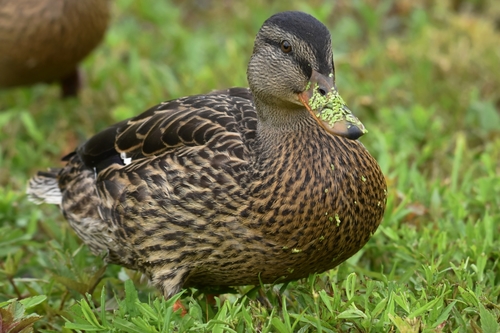 Germano reale
In breve
Il modo più affidabile per separare il Mestolone dal Germano reale sul campo è la struttura: il becco del mestolone è estremamente grande, largo e spatolato, a differenza del becco più tipico del Germano reale. In volo, le femmine e i mestoloni in abito eclipse mostrano un'ala anteriore grigia semplice, mentre i Germani reali di tutte le età hanno uno specchio blu bordato di bianco. I maschi adulti in abito nuziale si distinguono facilmente per il petto bianco e i fianchi castano del mestolone, rispetto al corpo grigio e al petto castano del Germano reale. Le femmine di entrambe le specie sono marroni macchiate, ma la forma e il colore del becco del mestolone sono distintivi. La dimensione e il comportamento possono aiutare, ma la struttura e il motivo dell'ala sono i migliori segni sul campo.
Consigli di identificazione
- Forma del becco (tutte le età/sessi): Il Mestolone ha un becco enorme, largo e spatolato; il becco del Germano reale è più corto, più stretto e più tipico di un'anatra dabbling. Questo è il segno più affidabile a qualsiasi distanza.
- Colore del becco (femmine): Il becco della femmina mestolone è grigio con arancione lungo il bordo di taglio e la mandibola inferiore; il becco della femmina Germano reale è arancione con marcature scure o macchie.
- Motivo dell'ala in volo (femmine, giovani, maschi in eclipse): Il mestolone mostra un'ala anteriore grigia semplice (femmina) o blu pallido (maschio) con uno specchio verde separato da un bordo bianco; il Germano reale mostra sempre uno specchio blu bordato di bianco, spesso visibile anche a riposo.
- Abito del maschio adulto (nuziale): Il maschio mestolone ha una testa verde scuro (meno lucida del Germano reale), un petto bianco, fianchi castano e un becco nero; il maschio Germano reale ha una testa verde più brillante, un anello bianco attorno al collo, un petto castano, un corpo grigio e un becco giallo.
- Abito della femmina adulta: Entrambi sono marroni macchiati, ma il becco del mestolone è molto più grande e spatolato; il becco del Germano reale è più tipico nella forma e nel colore.
- Colore delle gambe: Entrambi hanno gambe arancioni o arancioni-rosse, non affidabili per la diagnosi.
- Comportamento alimentare: I mestoloni spesso si nutrono muovendo i loro becchi da lato a lato sulla superficie, filtrando il cibo; i Germani reali si nutrono più tipicamente e raramente mostrano questo comportamento.
- Dimensione e forma del corpo: Il Germano reale è più grande e massiccio; il mestolone è più piccolo e più snello, ma c'è sovrapposizione.
- Colore della testa (maschi): Entrambi hanno teste verdi in abito nuziale, ma quella del mestolone è meno iridescente e può apparire nerastra a distanza o in scarsa luce.
- Abito eclipse: Il maschio mestolone assomiglia alla femmina ma mantiene l'ala anteriore blu pallido/grigia; il maschio Germano reale in eclipse assomiglia alla femmina Germano reale ma conserva lo specchio blu e i bordi bianchi.
- Dimensione del gruppo: I Germani reali sono più propensi a essere visti in grandi gruppi, specialmente al di fuori della stagione riproduttiva; i mestoloni tendono a formare gruppi più piccoli.
- Habitat: Entrambi utilizzano zone umide simili, ma i mestoloni preferiscono le paludi ricche di invertebrati, mentre i Germani reali sono più generalisti e comuni nelle aree urbane.
- Confusione giovanile: I giovani Germani reali sviluppano rapidamente lo specchio blu; i giovani mestoloni hanno la forma distintiva del becco fin dall'inizio, facilitando la separazione.
- A riposo: La forma e la dimensione del becco sono visibili anche quando gli uccelli non si nutrono o non volano; usa questo per gli uccelli appollaiati o in ozio.
- Trappole: In abito eclipse o giovanile, entrambe le specie possono sembrare simili nel motivo del corpo; controlla sempre la forma del becco e il motivo dell'ala per conferma.
Taglia
Il Germano reale è l'anatra più grande e pesante: tipicamente 50–65 cm di lunghezza con un'apertura alare di 81–98 cm, e pesa 0,7–1,6 kg. Il Mestolone è più piccolo e leggero, lungo 44–52 cm, con un'apertura alare di 70–84 cm, e pesa 500–800 g (raramente fino a 1 kg). Sul campo, i Germani reali sembrano spesso più massicci e con un corpo più lungo, mentre i mestoloni appaiono più snelli e leggermente più piccoli nel complesso. Tuttavia, c'è una certa sovrapposizione nelle dimensioni, quindi questo è solo un segno di supporto.
Piumaggio
- Giovane/immaturo/femmina in volo: Le femmine e i mestoloni in abito eclipse mostrano un'ala anteriore grigia semplice, priva dello specchio blu e dei bordi bianchi del Germano reale. I Germani reali (tutte le età/sessi) hanno uno specchio blu bordato di bianco, visibile in volo e spesso a riposo.
- Maschio adulto (nuziale): Il maschio mestolone ha una testa verde scuro (meno iridescente del Germano reale), un petto bianco, un ventre/fianchi castano e un enorme becco nero. Il maschio Germano reale ha una testa verde lucida, un anello bianco attorno al collo, un petto castano, un corpo grigio e un becco giallo.
- Femmina adulta: Entrambi sono marroni macchiati, ma il becco del mestolone è molto più lungo, più largo e spatolato, con toni grigi e arancioni; il becco del Germano reale è arancione con marcature scure e più tipico nella forma. L'ala anteriore della femmina mestolone è grigia; quella della femmina Germano reale è marrone con uno specchio blu.
- Abito eclipse: Il maschio mestolone assomiglia alla femmina ma mantiene l'ala anteriore blu pallido/grigia; il maschio Germano reale in eclipse assomiglia alla femmina Germano reale ma mostra solitamente qualche specchio blu e bordi bianchi conservati.
Comportamento
I Mestoloni spesso si nutrono muovendo i loro becchi da lato a lato sulla superficie dell'acqua, filtrando piccoli invertebrati con le loro lamelle specializzate. Questo stile alimentare è distintivo e meno spesso visto nei Germani reali, che si nutrono più tipicamente di materiale vegetale e piccoli animali. I mestoloni sono meno gregari al di fuori della stagione riproduttiva, formando gruppi più piccoli, mentre i Germani reali sono altamente sociali e spesso si riuniscono in grandi gruppi. Entrambe le specie sono anatre dabbling e possono essere viste insieme, ma il comportamento alimentare unico del mestolone e il movimento di oscillazione del becco verso il basso sono un forte indizio comportamentale.
Habitat
Entrambe le specie sono diffuse e utilizzano una varietà di zone umide, ma il Mestolone preferisce le paludi con fondo fangoso ricche di invertebrati, sfruttando il suo becco specializzato. I Germani reali sono più generalisti, trovati in quasi qualsiasi zona umida, stagno o fiume a lento scorrimento, e sono più probabili in parchi urbani e suburbani. Entrambi si riproducono ampiamente nell'emisfero settentrionale e svernano più a sud, con il Germano reale che è ancora più cosmopolita e adattabile agli habitat alterati dall'uomo.