

pato-colhereiro vs pato-real
Spatula clypeata versus Anas platyrhynchos
Jogue um quiz com pato-colhereiro e pato-real
 pato-colhereiro
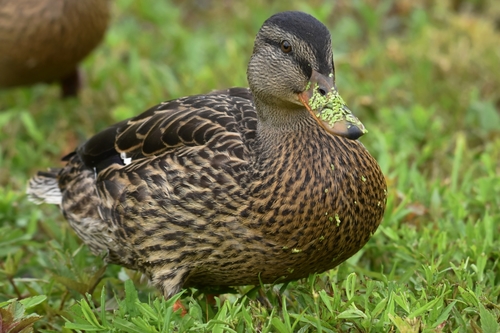 pato-real
Em resumo
A maneira mais confiável de separar o pato-colhereiro do pato-real em campo é pela estrutura: o bico do pato-colhereiro é extremamente grande, largo e espatulato, ao contrário do bico mais típico do pato-real. Em voo, fêmeas e machos em plumagem de eclipse do pato-colhereiro mostram uma asa anterior cinza simples, enquanto os patos-reais de todas as idades têm um especulo azul bordado com branco. Machos adultos em plumagem de reprodução são facilmente diferenciados pelo peito branco e flancos castanhos do pato-colhereiro, em comparação com o corpo cinza e o peito castanho do pato-real. Fêmeas de ambas as espécies são marrons manchadas, mas a forma e a cor do bico do pato-colhereiro são distintas. Tamanho e comportamento podem ajudar, mas a estrutura e o padrão das asas são as melhores marcas de campo.
Dicas de identificação
- Forma do bico (todas as idades/sexos): O pato-colhereiro tem um bico enorme, largo e espatulato; o bico do pato-real é mais curto, mais estreito e mais típico de um pato mergulhador. Esta é a marca mais confiável a qualquer distância.
- Cor do bico (fêmeas): O bico da fêmea do pato-colhereiro é cinza com laranja ao longo da borda de corte e da mandíbula inferior; o bico da fêmea do pato-real é laranja com marcas ou manchas escuras.
- Padrão das asas em voo (fêmeas, juvenis, machos em eclipse): O pato-colhereiro mostra uma asa anterior cinza simples (fêmea) ou azul pálido (macho) com um especulo verde separado por uma borda branca; o pato-real sempre mostra um especulo azul bordado com branco, frequentemente visível mesmo em repouso.
- Plumagem do macho adulto (reprodução): O macho do pato-colhereiro tem uma cabeça verde escura (menos brilhante que a do pato-real), peito branco, flancos castanhos e bico preto; o macho do pato-real tem uma cabeça verde mais brilhante, anel branco no pescoço, peito castanho, corpo cinza e bico amarelo.
- Plumagem da fêmea adulta: Ambas são marrons manchadas, mas o bico do pato-colhereiro é muito maior e mais espatulato; o bico do pato-real é mais típico em forma e cor.
- Cor das pernas: Ambas têm pernas laranja a laranja-avermelhadas, não confiáveis para diagnóstico.
- Comportamento alimentar: Os patos-colhereiros frequentemente se alimentam varrendo seus bicos de lado a lado na superfície, filtrando alimentos; os patos-reais mergulham de forma mais típica e raramente mostram esse comportamento.
- Tamanho e forma do corpo: O pato-real é maior e mais robusto; o pato-colhereiro é menor e mais aerodinâmico, mas há sobreposição.
- Cor da cabeça (machos): Ambos têm cabeças verdes em plumagem de reprodução, mas a do pato-colhereiro é menos iridescente e pode parecer negra à distância ou em luz fraca.
- Plumagem de eclipse: O macho do pato-colhereiro se assemelha à fêmea, mas mantém a asa anterior azul/pálida; o macho do pato-real em eclipse se parece com a fêmea do pato-real, mas retém o especulo azul e as bordas brancas.
- Tamanho do bando: Os patos-reais são mais propensos a serem vistos em grandes bandos, especialmente fora da época de reprodução; os patos-colhereiros tendem a formar grupos menores.
- Habitat: Ambas usam wetlands semelhantes, mas os patos-colhereiros preferem pântanos ricos em invertebrados, enquanto os patos-reais são mais generalistas e comuns em áreas urbanas.
- Confusão juvenil: Os patos-reais juvenis rapidamente desenvolvem o especulo azul; os patos-colhereiros juvenis têm a forma de bico distinta desde cedo, ajudando na separação.
- Em repouso: A forma e o tamanho do bico são visíveis mesmo quando os pássaros não estão se alimentando ou voando; use isso para pássaros empoleirados ou descansando.
- Aarmadilhas: Em plumagem de eclipse ou juvenil, ambas as espécies podem parecer semelhantes em padrão corporal; sempre verifique a forma do bico e o padrão das asas para confirmação.
Tamanho
O pato-real é o pato maior e mais pesado: tipicamente 50–65 cm de comprimento com uma envergadura de 81–98 cm, e pesando 0,7–1,6 kg. O pato-colhereiro é menor e mais leve, com 44–52 cm de comprimento, uma envergadura de 70–84 cm, e pesando 500–800 g (raramente até 1 kg). Em campo, os patos-reais frequentemente parecem mais robustos e com corpo mais longo, enquanto os patos-colhereiros parecem mais aerodinâmicos e ligeiramente menores no geral. No entanto, há alguma sobreposição de tamanho, então isso é apenas uma marca de apoio.
Plumagem
- Juvenil/imaturo/fêmea em voo: Fêmeas e machos em plumagem de eclipse do pato-colhereiro mostram uma asa anterior cinza simples, sem o especulo azul e as bordas brancas do pato-real. Os patos-reais (todas as idades/sexos) têm um especulo azul bordado com branco, que é visível em voo e frequentemente em repouso.
- Macho adulto (reprodução): O macho do pato-colhereiro tem uma cabeça verde escura (menos iridescente que a do pato-real), peito branco, barriga/flancos castanhos e um bico preto enorme. O macho do pato-real tem uma cabeça verde brilhante, anel branco no pescoço, peito castanho, corpo cinza e bico amarelo.
- Fêmea adulta: Ambas são marrons manchadas, mas o bico do pato-colhereiro é muito mais longo, mais largo e espatulato, com tons de cinza e laranja; o bico do pato-real é laranja com marcas escuras e mais típico em forma. A asa anterior da fêmea do pato-colhereiro é cinza; a da fêmea do pato-real é acastanhada com especulo azul.
- Plumagem de eclipse: O macho do pato-colhereiro se assemelha à fêmea, mas mantém a asa anterior azul/pálida; o macho do pato-real em eclipse se assemelha à fêmea do pato-real, mas geralmente mostra algum especulo azul retido e bordas brancas.
Comportamento
Os patos-colhereiros frequentemente se alimentam balançando seus bicos de lado a lado na superfície da água, filtrando pequenos invertebrados com suas lamelas especializadas. Este estilo de alimentação é distintivo e menos frequentemente visto em patos-reais, que mergulham de forma mais típica em busca de material vegetal e pequenos animais. Os patos-colhereiros são menos gregários fora da época de reprodução, formando bandos menores, enquanto os patos-reais são altamente sociais e frequentemente se reúnem em grandes grupos. Ambas as espécies são patos mergulhadores e podem ser vistos juntos, mas o comportamento alimentar único do pato-colhereiro e o movimento de balançar o bico para baixo é uma forte pista comportamental.
Habitat
Ambas as espécies são amplamente distribuídas e usam uma variedade de wetlands, mas o pato-colhereiro prefere pântanos de fundo lamacento ricos em invertebrados, aproveitando seu bico especializado. Os patos-reais são mais generalistas, encontrados em quase qualquer wetland, lago ou rio de fluxo lento, e são mais prováveis em parques urbanos e suburbanos. Ambas as espécies se reproduzem amplamente no Hemisfério Norte e hibernam mais ao sul, com o pato-real sendo ainda mais cosmopolita e adaptável a habitats alterados pelo homem.