

Prispolone vs Pispola golarossa
Anthus trivialis contro Anthus cervinus
Fai un quiz con Prispolone e Pispola golarossa
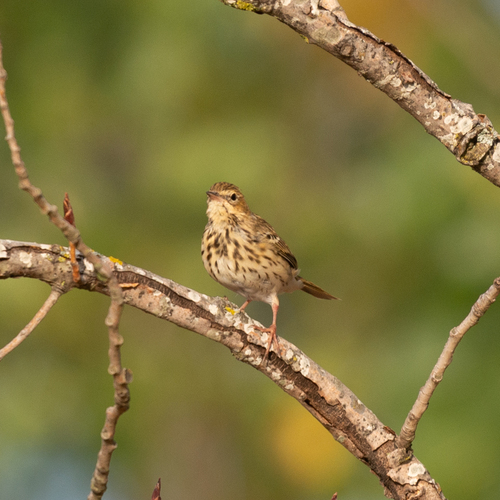 Prispolone
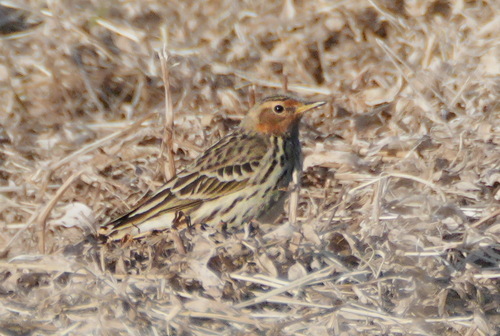 Pispola golarossa
In breve
Il segno di campo più affidabile per separare il Prispolone dalla Pispola golarossa è la presenza di un volto e una gola rosso mattone negli adulti Pispola golarossa in abito nuziale—i Prispoloni non mostrano mai questo. Negli abiti non nuziali e immaturi, la Pispola golarossa è molto più striata nel complesso, specialmente sul cappuccio, sulla schiena, sui fianchi, sul dorso e sul petto, mentre il Prispolone mostra un aspetto più pulito e meno striato con un forte contrasto tra il suo petto color crema e il ventre bianco. Strutturalmente, il Prispolone ha un becco più pesante ed è più propenso a posarsi sugli alberi, mentre la Pispola golarossa è di solito vista a terra. I richiami e i voli canori differiscono, ma possono essere sottili a meno che non siano ben uditi. Entrambe le specie possono essere confuse in autunno o negli abiti immaturi, ma un'attenta attenzione alla striatura e alla struttura risolverà solitamente l'identificazione.
Consigli di identificazione
- Abito nuziale Pispola golarossa: Cerca un volto e una gola rosso mattone—questo è unico per gli adulti Pispola golarossa in primavera e all'inizio dell'estate e non è mai mostrato dal Prispolone.
- Striatura sopra e sotto: In tutti gli altri abiti, la Pispola golarossa è molto più striata sul cappuccio, sulla schiena, sui fianchi, sul dorso e sul petto. Il Prispolone è meno striato, con una schiena marrone più uniforme e meno striature sui fianchi e sul dorso.
- Contrasto delle parti inferiori: Il Prispolone mostra un forte contrasto tra un petto color crema e un ventre bianco, mentre la Pispola golarossa è più uniformemente striata sotto, con marcature nere su uno sfondo bianco ma meno contrasto tra petto e ventre.
- Strisce del mantello: La Pispola golarossa mostra spesso strisce del mantello biancastre, aggiungendo al suo aspetto striato, specialmente in autunno e negli uccelli immaturi.
- Struttura del becco: Il Prispolone ha un becco più pesante e robusto rispetto al becco più fine della Pispola golarossa. Questo è sottile ma può essere ben visto in buone osservazioni.
- Comportamento di posarsi: Il Prispolone è più propenso a essere visto posato sugli alberi o sui fili, mentre la Pispola golarossa è di solito a terra.
- Volo canoro: Il volo canoro del Prispolone è distintivo—sale da un albero e si lancia giù con ali rigide e un canto prolungato. La Pispola golarossa non esegue questa esibizione.
- Stile di volo: La Pispola golarossa ha un volo forte e diretto, mentre il volo del Prispolone può apparire più ondulato, specialmente durante i voli canori.
- Richiami: Ascolta il forte richiamo 'spek' del Prispolone rispetto al sottile richiamo di volo 'psii' della Pispola golarossa. Questi possono essere diagnostici se uditi bene, ma fai attenzione alla variazione e agli effetti della distanza.
- Contesto dell'habitat: In Europa occidentale, il Prispolone è molto più probabile in boschi aperti e brughiere, mentre la Pispola golarossa è un migrante o vagabondo raro, di solito in habitat aperti, spesso umidi o simili alla tundra.
- Occorrenza stagionale: Se visto nell'habitat di nidificazione in primavera/estate nella maggior parte dell'Europa, il Prispolone è molto più probabile. La Pispola golarossa è regolare solo nei terreni di nidificazione molto a nord ed è altrimenti un migrante o vagabondo.
- Confusione giovanile/immatura: In autunno, entrambe le specie possono sembrare simili, ma la Pispola golarossa mostrerà comunque striature più pesanti e più estese sopra e sotto. Controlla sempre la densità e l'estensione delle striature.
- Nessun modello distintivo delle ali superiori: Nessuna delle due specie è descritta come avente un modello diagnostico delle ali superiori giovanile o immaturo nelle fonti disponibili, quindi concentrati sulla striatura del corpo e sulla struttura.
- Dimensione: Entrambe le specie sono molto simili in dimensione; non fare affidamento sulla massa o sulla lunghezza per la separazione sul campo.
- Trappole: Fai attenzione in autunno e durante la migrazione, quando entrambe le specie possono apparire opache e striate. Dai priorità alla densità e all'estensione delle striature, al contrasto delle parti inferiori e a qualsiasi accenno di rosso sul volto o sulla gola.
Taglia
Il Prispolone è leggermente più pesante (23,5 g) della Pispola golarossa, ma la differenza è minima e non facilmente giudicabile sul campo. Entrambi sono piccoli pipit e molto simili in dimensione, quindi differenze strutturali come la forma del becco sono più utili della massa complessiva.
Piumaggio
Gli adulti in abito nuziale della Pispola golarossa sono facilmente riconoscibili per il loro volto e gola rosso mattone, una caratteristica mai mostrata dal Prispolone. Fuori dalla stagione di nidificazione e negli immaturi, la Pispola golarossa è molto più pesantemente e ampiamente striata: cerca striature dense sul cappuccio, sulla schiena, sui fianchi, sul dorso e sul petto, così come strisce del mantello biancastre. Il Prispolone è meno striato sopra, con una schiena marrone più uniforme e meno striature sui fianchi e sul dorso. Le parti inferiori del Prispolone mostrano un forte contrasto tra un petto color crema e un ventre bianco, mentre la Pispola golarossa è più uniformemente striata sotto. Entrambe le specie hanno marcature nere su parti inferiori bianche, ma le striature del petto del Prispolone sono più audaci e concentrate, mentre le striature della Pispola golarossa sono più fini e più diffuse. Nessun segno specifico per età delle ali superiori o del volo è descritto per nessuna delle due specie nelle fonti.
Comportamento
Il Prispolone è più propenso a posarsi sugli alberi, spesso cantando da rami o fili esposti, e esegue un volo canoro distintivo: sale da un albero e si lancia giù con ali rigide mentre canta. La Pispola golarossa è di solito vista a terra, nutrendosi in habitat aperti, e il suo volo è descritto come forte e diretto. Queste tendenze comportamentali possono aiutare nel contesto, ma non sono assolute.
Habitat
Il Prispolone nidifica in boschi aperti, brughiere e aree con alberi sparsi e bassa vegetazione, spesso preferendo un mosaico di erba e felce con pascolo moderato. La Pispola golarossa nidifica molto più a nord, in tundra e habitat aperti settentrionali, ed è solo un vagabondo nella maggior parte dell'Europa occidentale. Durante la migrazione e l'inverno, entrambe possono verificarsi in campagna aperta, ma il Prispolone è più legato ai margini boschivi e alle radure, mentre la Pispola golarossa favorisce il terreno aperto.
Voce
Il richiamo del Prispolone è un forte 'spek', mentre il richiamo di volo della Pispola golarossa è un caratteristico 'psii'. Il volo canoro del Prispolone è distintivo, con un canto prolungato mentre si lancia giù. Queste differenze vocali sono utili se udite bene, ma possono essere sottili e non sempre diagnostiche a meno che l'intero canto o richiamo non sia chiaramente udito.