
Motmot

ツバメ 対 ヨーロッパコシアカツバメ/アフリカコシアカツバメ/コシアカツバメ

Hirundo rustica 対 Cecropis daurica

ツバメとヨーロッパコシアカツバメ/アフリカコシアカツバメ/コシアカツバメのクイズ
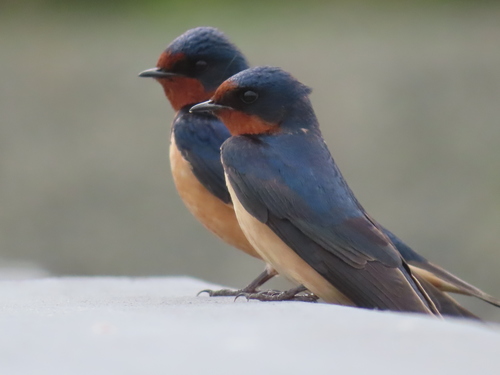
ツバメ (Hirundo rustica) ツバメ
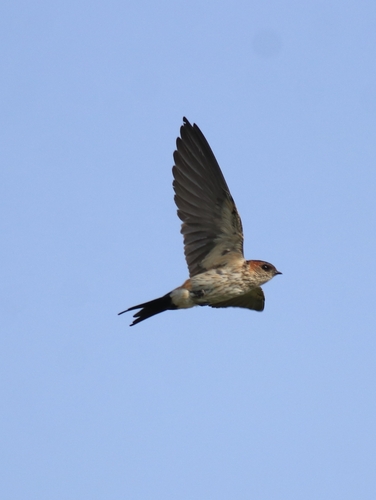
ヨーロッパコシアカツバメ/アフリカコシアカツバメ/コシアカツバメ (Cecropis daurica) ヨーロッパコシアカツバメ/アフリカコシアカツバメ/コシアカツバメ

メディア

読み込み中…

要点

ツバメとヨーロッパコシアカツバメ/アフリカコシアカツバメ/コシアカツバメを区別する最も信頼できるフィールドマークは、下部と尾のパターンの組み合わせです。ツバメの成鳥は、きれいな赤褐色の喉と額、青黒い胸の帯、白い(ストライプのない)下部を示しますが、ヨーロッパコシアカツバメ/アフリカコシアカツバメ/コシアカツバメは、白い下部に濃い線で重くストライプが入っており、明確な栗色の尾の斑点があります。飛行中、ツバメの尾は深く分かれており、長いストリーマーがあります(特に成鳥の場合)、一方、Red-rumpedの尾はそれほど深く分かれておらず、尾がより目立ちます。若いツバメは、尾が短いためにRed-rumpedと混同されることがありますが、依然として重い下部のストライプがなく、明確な尾の斑点もありません。飛行中または止まっている鳥を見るときは、特に尾と下部のストライプに注意を払ってください。

識別のコツ

  1. Underpart streaking: ヨーロッパコシアカツバメ/アフリカコシアカツバメ/コシアカツバメは常に白い下部に重い暗いストライプを示します(すべての年齢)、一方、ツバメの下部はきれいでオフホワイト(成鳥)またはわずかにマークされています(若鳥)。
  2. Rump color: ヨーロッパコシアカツバメ/アフリカコシアカツバメ/コシアカツバメは栗色または赤褐色の尾の斑点を持ち、時には若鳥や亜種でストライプが入ったり、色が薄くなったりしますが、常に青い背中と対照的です。ツバメの尾は青で、上部と一致します。
  3. Throat and forehead: ツバメは豊かな赤褐色の額、あご、喉を持ち、暗い青の胸の帯で下部と分かれています。ヨーロッパコシアカツバメ/アフリカコシアカツバメ/コシアカツバメの顔は白または淡い色で、かすかな赤い襟があるか、ないかで、強い胸の帯はありません。
  4. Tail shape and length: ツバメの成鳥は非常に長く、深く分かれた尾のストリーマーを持ち(特にオス)、外側の尾に白い斑点の列があります。ヨーロッパコシアカツバメ/アフリカコシアカツバメ/コシアカツバメの尾はそれほど深く分かれておらず、ストリーマーが短く、白い斑点もあまり目立ちません。
  5. Juvenile confusion: 若いツバメは長い尾のストリーマーがなく、上面がより茶色ですが、依然として重い下部のストライプがなく、青い(赤褐色ではない)尾を持っています。若いヨーロッパコシアカツバメ/アフリカコシアカツバメ/コシアカツバメは全体的に鈍く、茶色がかっており、常に重い暗いストライプが下部にあり、何らかの形の栗色の尾の斑点を示します。
  6. Breast band: ツバメは赤褐色の喉を白い腹部から分ける広い暗い青の胸の帯を持っています。ヨーロッパコシアカツバメ/アフリカコシアカツバメ/コシアカツバメは胸の帯がなく、喉がストライプのある下部に融合しています。
  7. Face pattern: ツバメの赤褐色の顔は特徴的です。ヨーロッパコシアカツバメ/アフリカコシアカツバメ/コシアカツバメは淡いまたは白い顔を持ち、かすかな赤い襟がある可能性があります。
  8. Perched posture: ツバメは長い尾のストリーマーのために、特に止まっているときに、より細長く見えることがよくあります。ヨーロッパコシアカツバメ/アフリカコシアカツバメ/コシアカツバメは短い尾のために、よりコンパクトに見えます。
  9. Flight jizz: ツバメの飛行はよりアクロバティックで優雅で、長い尾のストリーマーが後ろに引きずられます。ヨーロッパコシアカツバメ/アフリカコシアカツバメ/コシアカツバメの飛行はやや直接的で、短い尾のために「ツバメらしく」ありません。
  10. Habitat context: 建物や農地では、ツバメがはるかに多く見られます。丘陵地、田舎、または軽い森林の国では、特に建物から離れた場所でヨーロッパコシアカツバメ/アフリカコシアカツバメ/コシアカツバメを探してください。
  11. Nesting sites: ツバメは建物、ひさしの下、またはオスプレイの巣の下に巣を作ります。ヨーロッパコシアカツバメ/アフリカコシアカツバメ/コシアカツバメは崖、橋、または田舎の構造物を好みます。
  12. Vocalization: ツバメはより声が多く、特に巣の近くで。ヨーロッパコシアカツバメ/アフリカコシアカツバメ/コシアカツバメは静かで、目立って呼ぶことは少ないです。
  13. Sex differences: メスのツバメはオスよりも短い尾のストリーマーと薄い下部を持っていますが、基本的なパターンは同じです。ヨーロッパコシアカツバメ/アフリカコシアカツバメ/コシアカツバメの性別は似ています。
  14. Subspecies variation: 一部のヨーロッパコシアカツバメ/アフリカコシアカツバメ/コシアカツバメの亜種(例:C. d. erythropygia)は、ストライプのない均一な栗色の尾を持ち、浅い尾の分かれ目があります。他の亜種は、より薄いストライプのある尾を持っています。常に下部のストライプと尾の色を確認してください。
  15. Pitfalls: 照明が悪い場合や距離がある場合、若いツバメは短い尾と鈍い羽毛のためにヨーロッパコシアカツバメ/アフリカコシアカツバメ/コシアカツバメに似て見えることがありますが、下部のストライプがないことと青い尾が重要です。常に尾と腹部をはっきりと見るようにしてください。

大きさ

両種は全体の長さが似ています(ツバメは尾のストリーマーを含めて17〜19 cm、ヨーロッパコシアカツバメ/アフリカコシアカツバメ/コシアカツバメは約19 cm)、しかしツバメの尾のストリーマーは、特に成鳥のオスの場合、より長く細く見えることがあります。翼幅も似ています(ツバメは32〜34.5 cm)。体重はフィールドで信頼性のある区別はできません。サイズだけでは強力な区別要因ではありませんが、ツバメは尾のためにしばしばスリムで細長く見えます。

羽色

行動

両種は空中の昆虫食者であり、オープンエリアで餌を探すことがよくあります。ツバメは人間の集落と密接に関連していることが多く、建物やひさしの下に巣を作り、グループでワイヤーに止まることがよくあります。ヨーロッパコシアカツバメ/アフリカコシアカツバメ/コシアカツバメはオープンで丘陵地や軽い森林の国を好み、密集した人間の居住地から離れていることが多く、崖や橋の下に巣を作ることがあります。両種はフィールドや水の上を低く飛んでいるのが見られますが、ツバメは建物の多い地域でより親しみやすく、目立つ傾向があります。

生息環境

ツバメは非常に広範囲に分布し、適応性が高く、世界の多くの場所でオープンカントリー、農地、人間の集落の近くで一般的に見られます。ヨーロッパコシアカツバメ/アフリカコシアカツバメ/コシアカツバメはオープンで、しばしば丘陵地や軽い森林のある地域を好み、時には耕作が行われ、建物や人間の近接性にはあまり依存しません。アジアでは、ヨーロッパコシアカツバメ/アフリカコシアカツバメ/コシアカツバメは丘陵地や田舎の風景でより多く見られる傾向があり、ツバメは村、町、農場に普遍的に存在します。

声

ツバメはさまざまな呼び声を持ち、柔らかい「ウィット」または「ウィットウィット」、興奮したときの大きな「スプリー・プリンク」、鋭い警戒音があります。ヨーロッパコシアカツバメ/アフリカコシアカツバメ/コシアカツバメの声はノートで詳しく説明されていませんが、一般的にツバメよりも静かで声が少ないです。声は区別のための最も信頼できるフィールドマークではありませんが、ツバメは特に巣の近くで呼ぶのが聞かれる可能性が高いです。

より良い説明を送る

比較と同じ項目を使ってください。文章はすぐに公開されます。

The most reliable field mark to separate Barn Swallow from Red-rumped Swallow is the combination of underpart and rump pattern: Barn Swallow adults show a clean rufous throat and forehead, a blue-black breast band, and white (not streaked) underparts, while Red-rumped Swallow has white underparts heavily streaked with dark lines and a distinct chestnut rump patch. In flight, Barn Swallow's tail is deeply forked with long streamers (especially in adults), while Red-rumped's tail is less deeply forked and the rump is more conspicuous. Juvenile Barn Swallows can be confused with Red-rumped due to shorter tails, but still lack the heavy underpart streaking and have a less distinct rump patch. Pay special attention to the rump and underpart streaking when viewing birds in flight or perched.

  1. Underpart streaking: Red-rumped Swallow always shows heavy dark streaking on otherwise white underparts (all ages), while Barn Swallow's underparts are clean and off-white (adults) or only faintly marked (juveniles).
  2. Rump color: Red-rumped Swallow has a chestnut or rufous rump patch, sometimes streaked or paler in juveniles/subspecies, always contrasting with the blue back. Barn Swallow's rump is blue, matching the upperparts.
  3. Throat and forehead: Barn Swallow has a rich rufous forehead, chin, and throat, separated from the underparts by a dark blue breast band. Red-rumped Swallow's face is white or pale with a faint or absent reddish collar, and no strong breast band.
  4. Tail shape and length: Barn Swallow adult has very long, deeply forked tail streamers (especially males), with a line of white spots across the outer tail. Red-rumped Swallow's tail is less deeply forked, with shorter streamers and less distinct white spots.
  5. Juvenile confusion: Juvenile Barn Swallow lacks long tail streamers and is browner above, but still lacks heavy underpart streaking and has a blue (not rufous) rump. Juvenile Red-rumped Swallow is duller overall but always shows some chestnut rump and underpart streaking.
  6. Breast band: Barn Swallow has a broad, dark blue breast band separating the rufous throat from the white belly. Red-rumped Swallow lacks a breast band; the throat merges into the streaked underparts.
  7. Face pattern: Barn Swallow's rufous face is distinctive. Red-rumped Swallow has a pale or white face with a possible faint reddish collar.
  8. Perched posture: Barn Swallow often appears more elongated and slender due to its long tail streamers, especially when perched. Red-rumped Swallow looks more compact with a shorter tail.
  9. Flight jizz: Barn Swallow's flight is more acrobatic and graceful, with long tail streamers trailing behind. Red-rumped Swallow's flight is slightly more direct and less 'swallow-like' due to the shorter tail.
  10. Habitat context: In built-up or farm areas, Barn Swallow is much more likely. In hilly, rural, or lightly wooded country, especially away from buildings, check for Red-rumped Swallow.
  11. Nesting sites: Barn Swallow nests on buildings, under eaves, or even under osprey nests. Red-rumped Swallow prefers cliffs, bridges, or rural structures.
  12. Vocalization: Barn Swallow is more vocal, especially near nests. Red-rumped Swallow is quieter and less likely to call conspicuously.
  13. Sex differences: Female Barn Swallow has shorter tail streamers and paler underparts than male, but still shows the same basic pattern. Red-rumped Swallow sexes are alike.
  14. Subspecies variation: Some Red-rumped Swallow subspecies (e.g., C. d. erythropygia) have a uniform chestnut rump without streaks and a shallow tail fork; others have a paler, streaked rump. Always check for underpart streaking and rump color.
  15. Pitfalls: In poor light or at distance, juvenile Barn Swallow may appear similar to Red-rumped Swallow due to short tail and duller plumage, but lack of underpart streaking and a blue rump are key. Always try to see the rump and belly clearly.

Both species are similar in overall length (Barn Swallow 17–19 cm including tail streamers, Red-rumped Swallow about 19 cm), but Barn Swallow's tail streamers can make it appear longer and more slender, especially in adult males. Wingspans are also similar (Barn Swallow 32–34.5 cm). Weight is not reliably separable in the field. Size alone is not a strong separator, but Barn Swallow often looks slimmer and more elongated due to its tail.

  • Juvenile/immature birds: Juvenile Barn Swallow is browner above, with a paler rufous face, whiter underparts, and lacks long tail streamers. Juvenile Red-rumped Swallow is duller and browner, with a paler rump and shorter outer tail feathers, but always shows heavy dark streaking on the underparts and some form of chestnut rump patch (sometimes streaked or paler depending on subspecies).
  • Adults: Barn Swallow adult has steel blue upperparts, a rufous forehead, chin and throat, a broad blue-black breast band, and clean off-white underparts. The tail is deeply forked with long outer tail streamers and a line of white spots across the outer tail. Red-rumped Swallow adult has blue upperparts, a rufous or chestnut rump (sometimes streaked), white underparts with heavy dark streaking, and a less deeply forked tail. The face is white and the reddish collar may be faint or absent. Tail white spots are less distinct than in Barn Swallow.
  • Key contrast: Underpart streaking and rump color are the most consistent field marks across all ages.

Both species are aerial insectivores and often forage in open areas. Barn Swallow is more likely to be seen in close association with human settlements, often nesting on buildings or under eaves, and frequently perches on wires in groups. Red-rumped Swallow prefers open, hilly, or lightly wooded country, often away from dense human habitation, and may nest on cliffs or under bridges. Both species can be seen flying low over fields or water, but Barn Swallow tends to be more confiding and visible in built-up areas.

Barn Swallow is extremely widespread and adaptable, commonly found in open country, farmland, and near human settlements across much of the world. Red-rumped Swallow favors open, often hilly or lightly wooded areas, sometimes with cultivation, and is less tied to buildings or close human proximity. In Asia, Red-rumped Swallow is more likely in hilly or rural landscapes, while Barn Swallow is ubiquitous in villages, towns, and farms.

Barn Swallow has a variety of calls, including a soft 'witt' or 'witt-witt', a loud 'splee-plink' when excited, and sharp alarm calls. Red-rumped Swallow's voice is not described in detail in the notes, but it is generally quieter and less vocal than Barn Swallow. Vocalizations are not the most reliable field mark for separation, but Barn Swallow is more likely to be heard calling, especially near nests.

変更を破棄しますか?

保存していない編集があります。今離れると失われます。

ツバメ · ヨーロッパコシアカツバメ/アフリカコシアカツバメ/コシアカツバメ · 苦手な鳥