
Motmot

Herring Gull 対 オオカモメ

Larus argentatus 対 Larus marinus

Herring Gullとオオカモメのクイズ
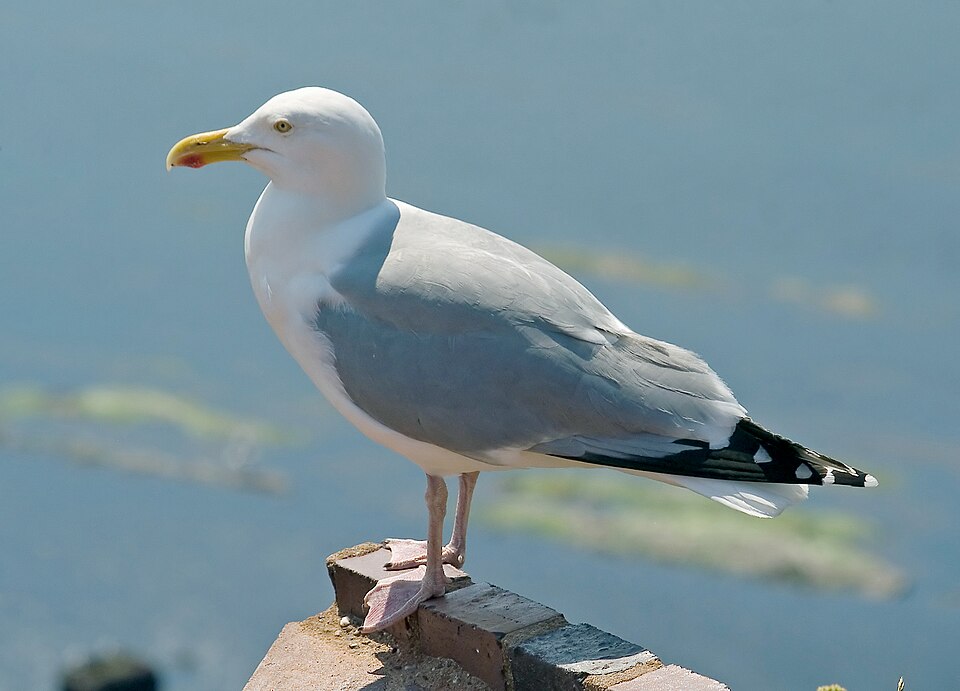
Herring Gull (Larus argentatus) Herring Gull
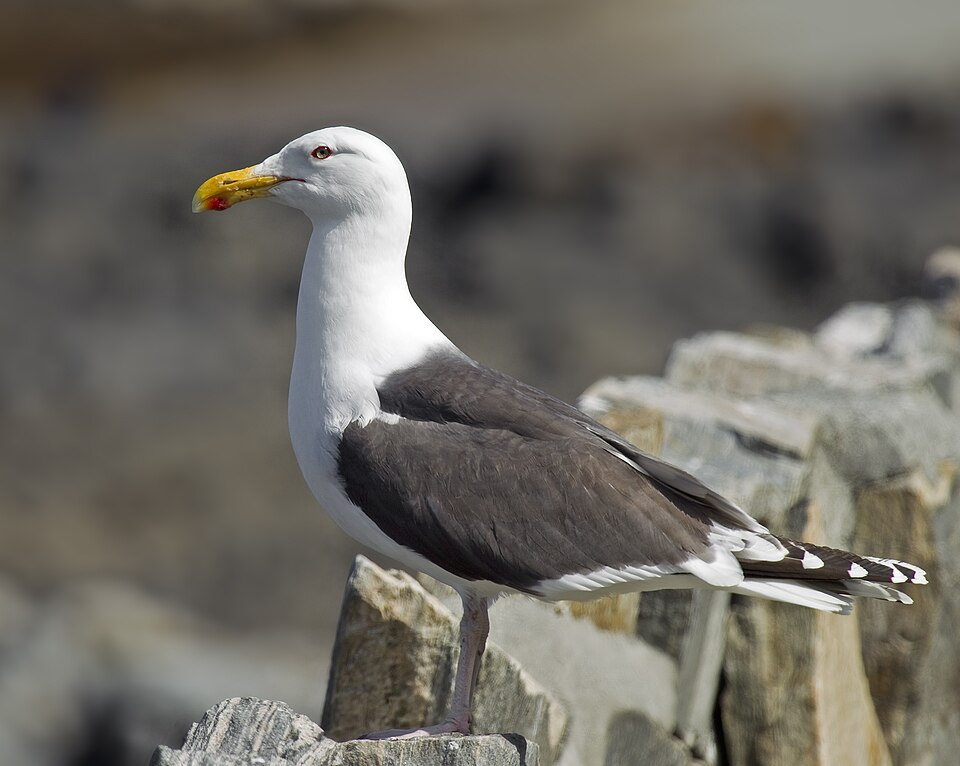
オオカモメ (Larus marinus) オオカモメ

メディア

読み込み中…

要点

Herring Gullとオオカモメの間で最も信頼できるフィールドマークは、成鳥の背中と上翼の色です:オオカモメは非常に暗く、ほぼ黒い背中と上翼を持っているのに対し、Herring Gullははるかに淡い灰色です。幼鳥の場合は、飛行中の上翼と尾のパターンに注目してください—オオカモメの幼鳥は、特徴的な白い尾の基部と強い黒い尾帯を持つ大胆な市松模様を示し、Herring Gullの幼鳥はより均一な茶色で対比が少ないです。オオカモメはまた、明らかにずんぐりしていて力強く見え、太いくちばしと重い体格を持っています。両種は特に沿岸で一緒に見られることがあるため、これらの詳細に注意を払うことが重要です。

識別のコツ

  1. 成鳥の背中の色: オオカモメの成鳥は黒っぽい背中と上翼を持ち、Herring Gullの成鳥の淡い灰色よりもはるかに暗いです。これは、鳥が止まっているときや休んでいるときに最も信頼できるマークです。
  2. サイズと構造: オオカモメはHerring Gullよりもはるかに大きく、ずんぐりしていて力強く見えます。オオカモメでは太い首、深い胸、大きくて重いくちばしを探してください。Herring Gullはスリムで優雅です。
  3. くちばし: オオカモメのくちばしはより太く、頑丈です。両種とも成鳥では赤い斑点のある黄色いくちばしを持っていますが、オオカモメのくちばしの大きさと深さは近くで見ると特徴的です。
  4. 脚の色: Herring Gullは通常ピンクの脚を持ち(時折黄色がかることもあります)、オオカモメの脚はピンクがかっていますが、幼鳥では鈍い色や青灰色に見えることがあります。脚の色は成鳥に最も役立ちます。
  5. 幼鳥の上翼と尾のパターン: 幼鳥のオオカモメは上翼の覆羽に大胆な市松模様を示し、尾の基部は白で、先端近くに強い黒い帯があります。Herring Gullの幼鳥はより均一な茶色で縞模様があり、尾のパターンは対比が少ないです。
  6. 幼鳥の全体的なトーン: オオカモメの幼鳥はより汚れた、縞模様があり、対比が強いように見えますが、Herring Gullの幼鳥はより淡く、均一な茶色です。
  7. 飛行の印象: 飛行中、オオカモメは翼が広く、重く見え、翼の拍動は遅く、深いです。Herring Gullはより浮力があり、敏捷です。
  8. 翼先(成鳥): 両種とも黒い翼先に白い「ミラー」を持っていますが、オオカモメでは背中との対比がはるかに大きいです。
  9. 目の色: 成鳥のHerring Gullは淡い目を持ち、黄色の眼窩環があります;オオカモメの目も淡いですが、鳥の全体的なサイズと頭の形のためにより威圧的に見えることがあります。
  10. 頭の縞模様(非繁殖期): Herring Gullの成鳥は冬に頭と首に茶色の縞模様を示しますが、オオカモメは縞模様が少なく、幼鳥では「汚れている」ように見えることがあります。
  11. 生息地の文脈: 内陸で見られた場合、特に埋立地や都市部では、Herring Gullの方が可能性が高いです。オオカモメはより厳密に沿岸ですが、大きな水域の内陸でも見られることがあります。
  12. 行動: オオカモメはより攻撃的で、しばしば餌場を支配し、他の鳥を追いかけたり攻撃したりします。Herring Gullは混合群れの中ではあまり支配的ではありません。
  13. 鳴き声: オオカモメの鳴き声はより深く、共鳴しており;Herring Gullの鳴き声は高音です。両方に慣れていない限り、注意して使用してください。
  14. 混合群れ: 両種が存在する場合、オオカモメのサイズと暗さが目立ち、近くのHerring Gullよりも高くそびえることがよくあります。
  15. 落とし穴: 孤立した鳥のサイズの重複に注意し、幼鳥の羽毛は混乱を招く可能性があることに注意してください—飛行中の上翼と尾のパターン、そして止まっているときの全体的な構造と背中の色に焦点を当ててください。

大きさ

オオカモメは最大のカモメ種であり、Herring Gullよりもかなりずんぐりしていて重いです。成鳥のオオカモメは79 cmまで成長し、翼幅は150〜170 cmですが、Herring Gullは55〜67 cmで、翼幅は125〜155 cmです [wikipedia][avonet]。フィールドでは、オオカモメははるかに大きく見え、太い首、深い胸、大きくて力強いくちばしを持っています。Herring Gullはまだ大きいですが、明らかにスリムで軽量です。両種が一緒に見られる場合、サイズの違いは通常明らかです。

羽色

幼鳥と幼体の羽毛は分離の鍵です。

行動

オオカモメはより攻撃的で捕食的であり、しばしば猛禽類のように振る舞い—他の鳥を狩り、殺し、食べることがあり、雛やさまざまな種の成鳥を含みます。また、ゴミを漁ることもありますが、他の鳥から食べ物を積極的に狩ったり略奪したりする姿が見られることが多いです。Herring Gullは雑食性で機会主義的であり、廃棄物、無脊椎動物、魚などの幅広いアイテムを食べ、より大きな獲物を狩る可能性は低いです。両種は埋立地や沿岸でゴミを漁りますが、両方が存在する場合、オオカモメの支配と攻撃性は顕著です。

生息環境

両種は北大西洋の沿岸に生息し、しばしばビーチ、港、河口で一緒に見られます。Herring Gullは内陸、埋立地、田畑、都市部で見られる可能性が高く、オオカモメはより厳密に沿岸に生息しますが、大きな内陸湖でも見られることがあります。混合群れでは、オオカモメは通常数が少なく、そのサイズと暗い背中のために目立ちます。

声

オオカモメはより深く、共鳴する鳴き声を持ち、「笑い声」と表現される(kaa-ga-ga)、最初の音が時々引き延ばされ、牛のように聞こえます。Herring Gullの鳴き声は高音で、深さが少ないです。フィールドでは、違いは微妙で常に診断的ではありませんが、オオカモメの声は他のほとんどのカモメよりも明らかに深いです。

より良い説明を送る

比較と同じ項目を使ってください。文章はすぐに公開されます。

The most reliable field mark between Herring Gull and Great Black-backed Gull is the adult's mantle and upperwing color: Great Black-backed Gull has a strikingly dark, almost black back and upperwings, while Herring Gull is much paler grey. For immatures, focus on the upperwing and tail patterns in flight—Great Black-backed Gull juveniles show a bold, checkered pattern with a distinctive white tail base and a strong black tail band, while Herring Gull immatures are more evenly brown and less contrasting. Great Black-backed Gull is also noticeably bulkier and more powerful-looking, with a stouter bill and heavier build. Both species can be found together, especially along coasts, so careful attention to these details is essential.

  1. Adult mantle color: Great Black-backed Gull adults have a blackish back and upperwings, much darker than the pale grey of Herring Gull adults. This is the most reliable mark when birds are perched or at rest.
  2. Size and structure: Great Black-backed Gull is much larger, bulkier, and more powerful-looking than Herring Gull. Look for a thick neck, deep chest, and a large, heavy bill in Great Black-backed. Herring Gull is slimmer and more graceful.
  3. Bill: Great Black-backed Gull's bill is stouter and more robust. Both species have a yellow bill with a red spot as adults, but the sheer size and depth of Great Black-backed's bill is distinctive up close.
  4. Leg color: Herring Gull usually has pink legs (occasionally yellowish in some populations), while Great Black-backed Gull's legs are pinkish but can appear duller or bluish-grey in immatures. Leg color is most useful for adults.
  5. Juvenile upperwing and tail pattern: Juvenile Great Black-backed Gull shows a bold, checkered pattern on the upperwing coverts and a white tail base with a strong, broken black band near the tip. Herring Gull juveniles are more evenly brown and streaky, with a less contrasting tail pattern.
  6. Immature overall tone: Great Black-backed Gull immatures look dirtier, streakier, and more contrasting, while Herring Gull immatures are paler and more uniform brown.
  7. Flight jizz: In flight, Great Black-backed Gull appears broader-winged and heavier, with slower, deeper wingbeats. Herring Gull is more buoyant and agile.
  8. Wingtips (adults): Both have black wingtips with white 'mirrors,' but the contrast with the mantle is much greater in Great Black-backed Gull.
  9. Eye color: Adult Herring Gull has a pale eye with a yellow orbital ring; Great Black-backed Gull's eye is also pale but may appear more menacing due to the bird's overall size and head shape.
  10. Head streaking (non-breeding): Herring Gull adults show brown streaks on the head and neck in winter, while Great Black-backed Gull is less streaked but can look 'dirty' in immatures.
  11. Habitat context: If seen inland, especially at landfills or urban areas, Herring Gull is more likely. Great Black-backed Gull is more strictly coastal but can occur inland at large water bodies.
  12. Behavior: Great Black-backed Gull is more aggressive, often dominating feeding sites and chasing or attacking other birds. Herring Gull is less dominant in mixed flocks.
  13. Vocalization: Great Black-backed Gull's call is deeper and more resonant; Herring Gull's is higher-pitched. Use with caution unless you are familiar with both.
  14. Mixed flocks: When both species are present, the size and darkness of Great Black-backed Gull make it stand out, often towering over nearby Herring Gulls.
  15. Pitfalls: Beware of size overlap in lone birds, and note that immature plumages can be confusing—focus on the upperwing and tail pattern in flight, and overall structure and mantle color when perched.

Great Black-backed Gull is the largest gull species, significantly bulkier and heavier than Herring Gull. Adult Great Black-backed Gulls reach up to 79 cm in length with a wingspan of 150–170 cm, while Herring Gulls are smaller at 55–67 cm long and a wingspan of 125–155 cm [wikipedia][avonet]. In the field, Great Black-backed Gull appears much more massive, with a thick neck, deep chest, and a large, powerful bill. Herring Gull, while still large, is noticeably slimmer and more lightly built. If both species are seen together, the size difference is usually obvious.

Juvenile and immature plumages are key for separation.

  • Juvenile/First-winter: Great Black-backed Gull juveniles have a bold, checkered black-brown pattern on the upperparts, a paler face and nape, and a distinctive white tail base with a broken black band near the tip. Their flight feathers are blackish-brown, and the legs are dark bluish-grey with some pink. Herring Gull juveniles are more uniformly brown and streaky overall, lacking the crisp checkered look, and have a dark bill and eyes with pink legs. The tail is more evenly barred or mottled, not as sharply patterned as in Great Black-backed.

  • Second/Third-year: Great Black-backed immatures retain a dirtier, streakier version of the adult's dark upperparts, while Herring Gulls become paler, with more grey on the back and less streaking on the head and underparts.

  • Adults: Great Black-backed Gull adults have a blackish back and upperwings, contrasting strongly with the white head and underparts. Herring Gull adults are much paler grey above, with black wingtips and white 'mirrors' on the primaries. Leg color is also useful: Herring Gull usually has pink legs (rarely yellowish in some populations), while Great Black-backed Gull's legs are pinkish but can appear duller or with a bluish-grey cast in immatures.

Great Black-backed Gull is more aggressive and predatory, often behaving like a raptor—hunting, killing, and eating other birds, including fledglings and even adult birds of various species. It also scavenges but is more likely to be seen actively hunting or pirating food from other birds. Herring Gull is omnivorous and opportunistic, feeding on a wide range of items including refuse, invertebrates, and fish, and is less likely to hunt large prey. Both species scavenge at dumps and along the coast, but Great Black-backed Gull's dominance and aggression are notable when both are present.

Both species occur along northern Atlantic coasts, often together on beaches, harbors, and estuaries. Herring Gull is more likely to be found inland, at landfills, fields, and urban areas, while Great Black-backed Gull is more strictly coastal but can also be found at large inland lakes. In mixed flocks, Great Black-backed Gull is usually less numerous and stands out due to its size and dark mantle.

Great Black-backed Gull has a deeper, more resonant call, described as a 'laughing' cry (kaa-ga-ga), with the first note sometimes drawn out and bovid-like. Herring Gull's call is higher-pitched and less deep. In the field, the difference is subtle and not always diagnostic, but Great Black-backed's voice is distinctly deeper than most other gulls.

変更を破棄しますか?

保存していない編集があります。今離れると失われます。

Herring Gull · オオカモメ · 苦手な鳥