

Herring Gull vs gaivotão-real
Larus argentatus versus Larus marinus
Jogue um quiz com Herring Gull e gaivotão-real
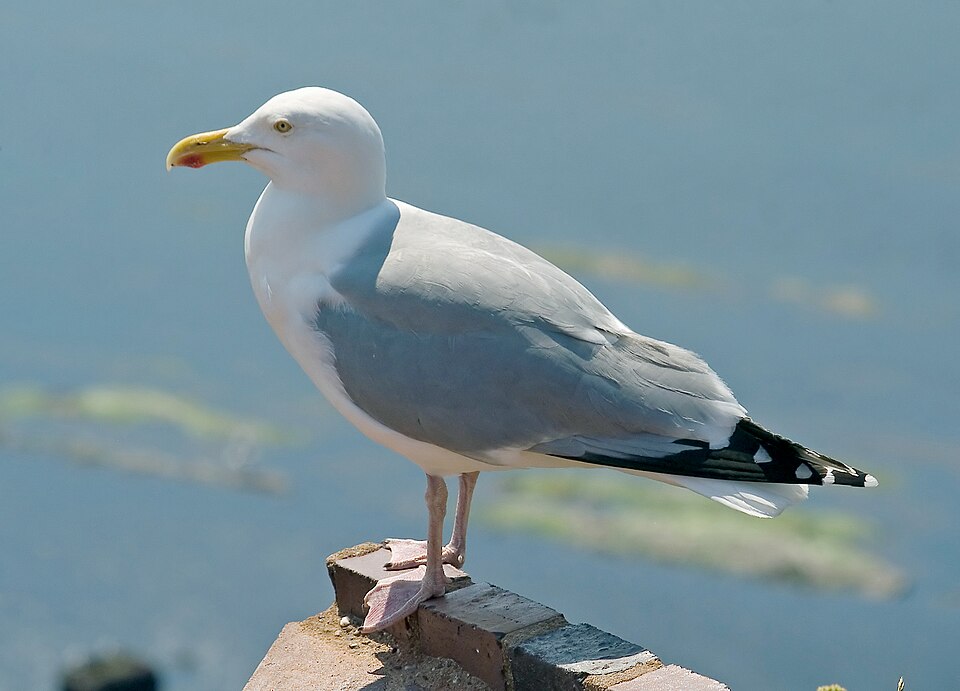 Herring Gull
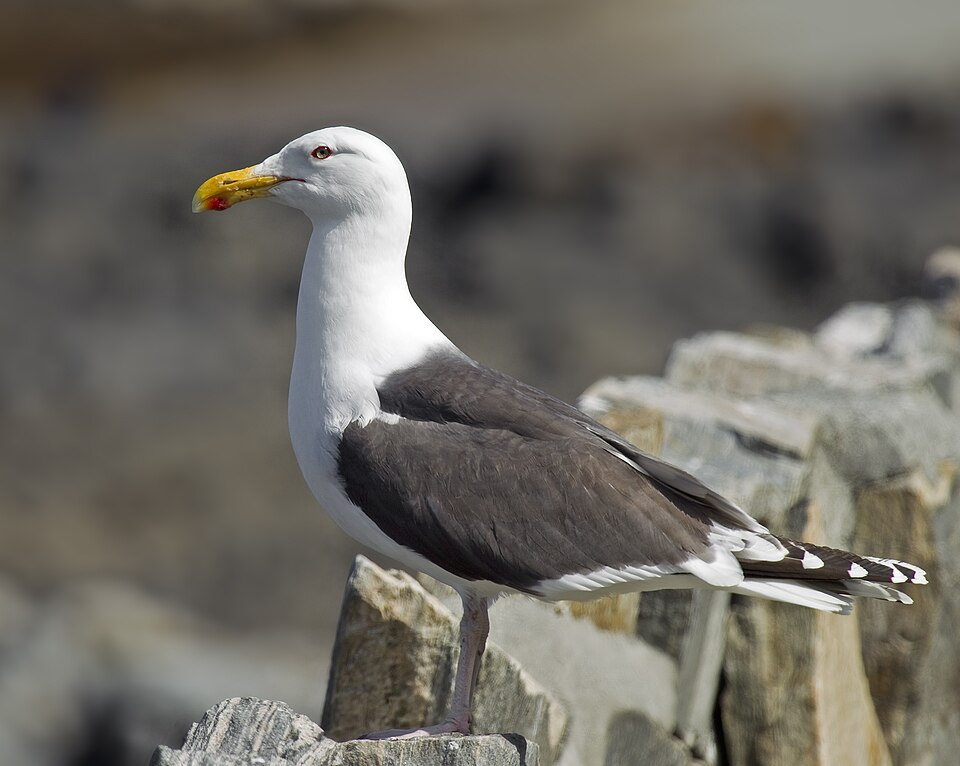 gaivotão-real
Em resumo
A marca de campo mais confiável entre Herring Gull e gaivotão-real é a cor do manto e das asas superiores do adulto: gaivotão-real tem um dorso e asas superiores strikingly dark, quase pretos, enquanto Herring Gull é muito mais cinza claro. Para imaturos, concentre-se nos padrões das asas superiores e da cauda em voo—juvenis de gaivotão-real mostram um padrão ousado e quadriculado com uma base de cauda branca distinta e uma forte faixa preta na cauda, enquanto imaturos de Herring Gull são mais uniformemente marrons e menos contrastantes. Gaivotão-real também é visivelmente mais robusto e com aparência mais poderosa, com um bico mais grosso e uma construção mais pesada. Ambas as espécies podem ser encontradas juntas, especialmente ao longo das costas, então atenção cuidadosa a esses detalhes é essencial.
Dicas de identificação
- Cor do manto do adulto: Adultos de gaivotão-real têm um dorso e asas superiores escuros, muito mais escuros do que o cinza claro dos adultos de Herring Gull. Esta é a marca mais confiável quando os pássaros estão empoleirados ou em repouso.
- Tamanho e estrutura: Gaivotão-real é muito maior, mais robusto e com aparência mais poderosa do que Herring Gull. Procure um pescoço grosso, peito profundo e um bico grande e pesado em gaivotão-real. Herring Gull é mais esbelto e gracioso.
- Bico: O bico do gaivotão-real é mais grosso e robusto. Ambas as espécies têm um bico amarelo com uma mancha vermelha como adultos, mas o tamanho e a profundidade do bico do gaivotão-real são distintos de perto.
- Cor das pernas: Herring Gull geralmente tem pernas rosas (ocasionalmente amareladas em algumas populações), enquanto as pernas do gaivotão-real são rosadas, mas podem parecer mais opacas ou azuladas em imaturos. A cor das pernas é mais útil para adultos.
- Padrão da asa superior e cauda do juvenil: O juvenil de gaivotão-real mostra um padrão ousado e quadriculado nas coberturas das asas superiores e uma base de cauda branca com uma forte faixa preta quebrada perto da ponta. Juvenis de Herring Gull são mais uniformemente marrons e estriados, com um padrão de cauda menos contrastante.
- Tom geral do imaturo: Imaturos de gaivotão-real parecem mais sujos, estriados e mais contrastantes, enquanto imaturos de Herring Gull são mais claros e de um marrom mais uniforme.
- Voo: Em voo, gaivotão-real aparece com asas mais largas e mais pesado, com batidas de asas mais lentas e profundas. Herring Gull é mais ágil e leve.
- Pontas das asas (adultos): Ambos têm pontas das asas pretas com 'espelhos' brancos, mas o contraste com o manto é muito maior em gaivotão-real.
- Cor dos olhos: O adulto de Herring Gull tem um olho claro com um anel orbital amarelo; o olho do gaivotão-real também é claro, mas pode parecer mais ameaçador devido ao tamanho e à forma da cabeça do pássaro.
- Estrias na cabeça (fora da época de reprodução): Adultos de Herring Gull mostram estrias marrons na cabeça e no pescoço no inverno, enquanto gaivotão-real é menos estriado, mas pode parecer 'sujo' em imaturos.
- Contexto de habitat: Se visto no interior, especialmente em aterros ou áreas urbanas, Herring Gull é mais provável. Gaivotão-real é mais estritamente costeiro, mas pode ocorrer no interior em grandes corpos d'água.
- Comportamento: Gaivotão-real é mais agressivo, muitas vezes dominando locais de alimentação e perseguindo ou atacando outros pássaros. Herring Gull é menos dominante em bandos mistos.
- Vocalização: O chamado do gaivotão-real é mais profundo e ressonante; o de Herring Gull é mais agudo. Use com cautela, a menos que você esteja familiarizado com ambos.
- Bandos mistos: Quando ambas as espécies estão presentes, o tamanho e a escuridão do gaivotão-real fazem com que se destaque, muitas vezes se elevando sobre os Herring Gulls próximos.
- Armadilhas: Cuidado com a sobreposição de tamanho em pássaros solitários e note que as plumagens imaturas podem ser confusas—concentre-se no padrão das asas superiores e da cauda em voo, e na estrutura geral e cor do manto quando empoleirados.
Tamanho
gaivotão-real is the largest gull species, significantly bulkier and heavier than Herring Gull. Adult Great Black-backed Gulls reach up to 79 cm in length with a wingspan of 150–170 cm, while Herring Gulls are smaller at 55–67 cm long and a wingspan of 125–155 cm [wikipedia][avonet]. In the field, gaivotão-real appears much more massive, with a thick neck, deep chest, and a large, powerful bill. Herring Gull, while still large, is noticeably slimmer and more lightly built. If both species are seen together, the size difference is usually obvious.
Plumagem
Juvenile and immature plumages are key for separation.
-
Juvenile/First-winter: gaivotão-real juveniles have a bold, checkered black-brown pattern on the upperparts, a paler face and nape, and a distinctive white tail base with a broken black band near the tip. Their flight feathers are blackish-brown, and the legs are dark bluish-grey with some pink. Herring Gull juveniles are more uniformly brown and streaky overall, lacking the crisp checkered look, and have a dark bill and eyes with pink legs. The tail is more evenly barred or mottled, not as sharply patterned as in Great Black-backed.
-
Second/Third-year: Great Black-backed immatures retain a dirtier, streakier version of the adult's dark upperparts, while Herring Gulls become paler, with more grey on the back and less streaking on the head and underparts.
-
Adults: gaivotão-real adults have a blackish back and upperwings, contrasting strongly with the white head and underparts. Herring Gull adults are much paler grey above, with black wingtips and white 'mirrors' on the primaries. Leg color is also useful: Herring Gull usually has pink legs (rarely yellowish in some populations), while gaivotão-real's legs are pinkish but can appear duller or with a bluish-grey cast in immatures.
Comportamento
Gaivotão-real é mais agressivo e predatório, muitas vezes se comportando como um rapinante—caçando, matando e comendo outros pássaros, incluindo filhotes e até mesmo pássaros adultos de várias espécies. Também se alimenta de carniça, mas é mais provável ser visto caçando ativamente ou roubando comida de outros pássaros. Herring Gull é onívoro e oportunista, alimentando-se de uma ampla gama de itens, incluindo lixo, invertebrados e peixes, e é menos provável que caça presas grandes. Ambas as espécies se alimentam em aterros e ao longo da costa, mas a dominância e agressão do gaivotão-real são notáveis quando ambas estão presentes.
Habitat
Ambas as espécies ocorrem ao longo das costas do Atlântico norte, frequentemente juntas em praias, portos e estuários. Herring Gull é mais provável de ser encontrado no interior, em aterros, campos e áreas urbanas, enquanto gaivotão-real é mais estritamente costeiro, mas também pode ser encontrado em grandes lagos interiores. Em bandos mistos, gaivotão-real é geralmente menos numeroso e se destaca devido ao seu tamanho e manto escuro.
Voz
Gaivotão-real tem um chamado mais profundo e ressonante, descrito como um grito 'risonho' (kaa-ga-ga), com a primeira nota às vezes prolongada e semelhante a um bovino. O chamado de Herring Gull é mais agudo e menos profundo. No campo, a diferença é sutil e nem sempre diagnóstica, mas a voz do gaivotão-real é distintamente mais profunda do que a maioria das outras gaivotas.