

white-quilled bustard vs abetarda-de-barriga-preta
Afrotis afraoides versus Lissotis melanogaster
Jogue um quiz com white-quilled bustard e abetarda-de-barriga-preta
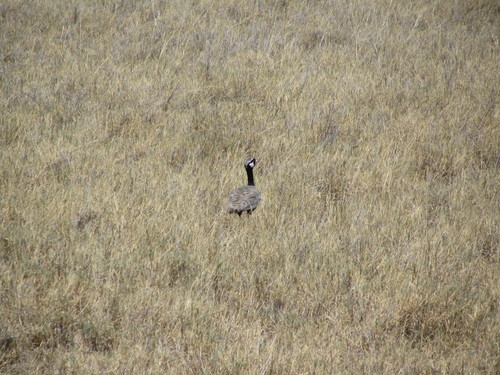 white-quilled bustard
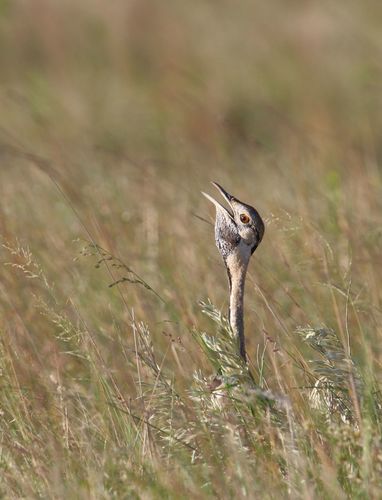 abetarda-de-barriga-preta
Em resumo
A marca de campo mais confiável entre essas duas abetardas é a cor das penas primárias em voo: a abetarda-de-barriga-preta (Lissotis melanogaster) apresenta primárias brancas marcantes, enquanto a white-quilled bustard (Afrotis afraoides) tem as asas superiores brancas, mas com penas de voo com ponta preta e um triângulo marrom na base da asa. Ambas as espécies têm partes inferiores pretas nos machos, mas a cor das pernas e do bico, assim como o padrão da cabeça e do pescoço, ajudam a separá-las. As fêmeas são mais complicadas, mas a cor das pernas e o padrão das asas continuam sendo úteis. Fique atento ao contexto do habitat e à cor das pernas se o padrão das asas estiver obscurecido.
Dicas de identificação
- Cor das penas primárias em voo (todas as idades): A white-quilled bustard mostra principalmente primárias brancas, criando um flash branco limpo na asa. A abetarda-de-barriga-preta tem asas superiores brancas, mas com um triângulo marrom na base e pontas pretas nas penas de voo—procure por essas marcas mais escuras para descartar a white-quilled.
- Cor das pernas (adultos, empoleirados): A white-quilled bustard tem pernas amarelas brilhantes, enquanto as pernas da abetarda-de-barriga-preta são amarelas opacas. Isso é frequentemente visível quando os pássaros estão andando ou parados.
- Cor do bico (adultos): A white-quilled bustard tem um bico vermelho, contrastando com o bico amarelo opaco da abetarda-de-barriga-preta. A cor do bico pode ser sutil à distância, mas é diagnóstica em uma distância próxima.
- Padrão da cabeça e pescoço dos machos: Machos da white-quilled bustard têm cabeça e pescoço pretos sólidos, enquanto machos da abetarda-de-barriga-preta têm pescoço marrom claro com uma linha preta fina na frente, um queixo e lore brancos, e uma cabeça com padrão ousado (preto, branco, marrom claro). O contraste é especialmente claro em boa luz.
- Partes superiores das fêmeas: A fêmea da white-quilled bustard é listrada ou quadriculada de preto e marrom claro na cabeça, pescoço, peito e partes superiores, com uma barriga preta. A fêmea da abetarda-de-barriga-preta é mais simples, marrom claro com manchas marrons escuras e finas vermiculações onduladas no pescoço e peito, sem as listras ousadas da white-quilled.
- Marcas juvenis: O juvenil da abetarda-de-barriga-preta é mais opaco e escuro, com uma coroa cinza escura e manchas marrons claras na asa. O juvenil da white-quilled bustard não é descrito em detalhes, mas o painel primário branco ainda deve estar presente em voo.
- Asa superior em voo (adultos e imaturos): A asa superior da white-quilled bustard é principalmente branca, enquanto a da abetarda-de-barriga-preta tem um triângulo marrom na base e pontas pretas. Esta é uma marca chave quando os pássaros se assustam.
- Partes inferiores (machos): Ambos têm partes inferiores pretas, mas o preto da white-quilled bustard se estende até a cabeça e o pescoço, enquanto o preto da abetarda-de-barriga-preta é restrito à barriga e ao peito, com um pescoço marrom claro.
- Padrão da cauda: A abetarda-de-barriga-preta tem uma cauda marrom e clara com quatro ou cinco faixas estreitas marrons escuras, que podem ser visíveis quando a cauda está aberta. O padrão da cauda da white-quilled bustard não é descrito como distintivo.
- Estrutura e jizz: A abetarda-de-barriga-preta parece ter um pescoço mais longo e ser mais esquelética, especialmente quando alerta. A white-quilled bustard é mais compacta e ereta, especialmente quando está parada.
- Contexto do habitat: Se vista em grama alta ou após chuvas fortes, a abetarda-de-barriga-preta é mais provável. Em campos abertos, mais secos e em arbustos, a white-quilled bustard é mais provável.
- Diferenças sexuais: Ambas as espécies mostram dimorfismo sexual, mas o padrão da cabeça e do pescoço nos machos é um forte separador. As fêmeas são mais complicadas, mas as listras (white-quilled) vs. manchas/vermiculações (abetarda-de-barriga-preta) ajudam.
- Quando as marcas falham: À longa distância ou em luz fraca, confie no padrão das asas em voo e na cor das pernas quando empoleiradas. Se ambos estiverem obscurecidos, o habitat e o jizz podem oferecer pistas, mas cuidado com a sobreposição de áreas.
- Armadilhas: Ambas as espécies podem mostrar branco na asa, mas apenas a white-quilled bustard tem primárias brancas limpas sem pontas escuras ou triângulos. Não confie apenas na cor das partes inferiores nos machos, pois ambos podem parecer abetardas-de-barriga-preta.
- Não diagnóstica: A voz não é descrita como um separador nas fontes; não use vocalizações para separação em campo com base nas informações atuais.
Tamanho
A abetarda-de-barriga-preta é a maior das duas, medindo 58–65 cm de comprimento, enquanto o tamanho da white-quilled bustard não é especificado nas fontes, mas é geralmente menor e mais compacta em jizz. Ambas são abetardas de tamanho médio, mas a abetarda-de-barriga-preta parece ter um pescoço mais longo e ser mais esquelética, especialmente quando alerta. As proporções do bico e das pernas são semelhantes, mas a cor difere: a white-quilled bustard tem pernas amarelas brilhantes e um bico vermelho, enquanto a abetarda-de-barriga-preta tem pernas e bico amarelos opacos.
Plumagem
- Em voo (todas as idades): A white-quilled bustard mostra principalmente primárias brancas, dando um flash branco ousado na asa. A asa superior da abetarda-de-barriga-preta também é branca, mas com um triângulo marrom na base e pontas pretas nas penas de voo, então o branco é menos limpo e mais padronizado.
- Machos adultos: Ambos têm partes inferiores pretas, mas os machos da white-quilled bustard são pretos na cabeça, pescoço e partes inferiores, com listras preto e branco nas costas e asas. Os machos da abetarda-de-barriga-preta têm um pescoço marrom claro com uma linha preta fina, uma cabeça com marcas ousadas (preto, branco, marrom claro) e um queixo e lore brancos; suas partes superiores são marrom claro com marcas pretas e marrons.
- Fêmeas adultas: As fêmeas da white-quilled bustard são listradas ou quadriculadas de preto e marrom claro na cabeça, pescoço, peito e partes superiores, com uma barriga preta. As fêmeas da abetarda-de-barriga-preta são mais simples, marrom claro com manchas marrons escuras e finas vermiculações onduladas no pescoço e peito; suas partes inferiores não são tão distintamente pretas.
- Juvenis: Os juvenis da abetarda-de-barriga-preta são mais opacos e escuros, com uma coroa cinza escura e manchas marrons claras na asa. A plumagem juvenil da white-quilled bustard não é descrita, mas o painel primário branco ainda deve ser visível em voo.
Comportamento
Ambas as espécies são terrestres e preferem campos abertos, frequentemente andando com um andar deliberado. A abetarda-de-barriga-preta tende a ser mais secreta e é frequentemente vista apenas após chuvas fortes, às vezes em grama mais alta ou campos cultivados. A white-quilled bustard é mais provável de ser vista em campos abertos e arbustos, frequentemente em pé mais ereta e mostrando sua cor brilhante das pernas. Ambas se assustam relutantemente, mas a white-quilled bustard pode parecer mais compacta e menos alongada em voo.
Habitat
A white-quilled bustard é amplamente distribuída em campos abertos e arbustos em toda a África do Sul. A abetarda-de-barriga-preta prefere savanas, campos abertos altos e campos cultivados, frequentemente em áreas com maior precipitação e às vezes presente apenas após chuvas fortes. Seus habitats se sobrepõem em partes da África do Sul, Zimbábue e Botswana, mas a abetarda-de-barriga-preta está mais ligada a habitats mais úmidos e pode estar ausente de campos mais secos onde a white-quilled bustard é comum.
white-quilled bustard · abetarda-de-barriga-preta · Minhas aves difíceis