
Motmot

Asian Koel vs Square-tailed Drongo-Cuckoo

Eudynamys scolopaceus versus Surniculus lugubris

Play a quiz with Asian Koel and Square-tailed Drongo-Cuckoo
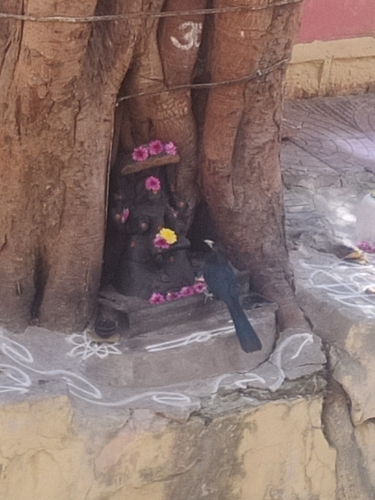
Asian Koel (Eudynamys scolopaceus) Asian Koel
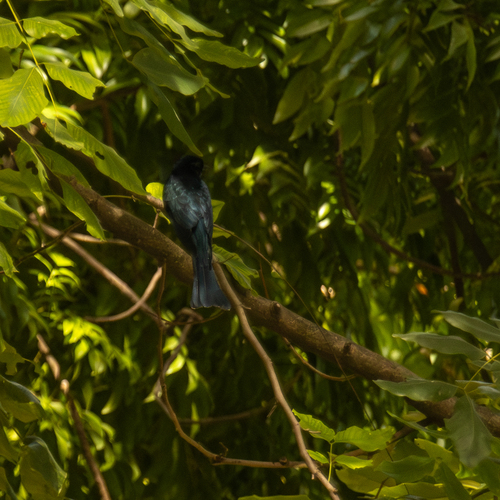
Square-tailed Drongo-Cuckoo (Surniculus lugubris) Square-tailed Drongo-Cuckoo

Media

Loading…

In short

The most reliable field mark between Asian Koel and Square-tailed Drongo-Cuckoo is the presence of a white wing-stripe visible from below in flight on the drongo-cuckoo, which the koel lacks at all ages. If you see a large, glossy black cuckoo without any white on the underwing, it's likely an Asian Koel; if you see a smaller, drongo-like bird with a white-barred vent and a white wing-stripe in flight, it's the drongo-cuckoo. Bill shape is also key: the koel’s bill is pale and straight, while the drongo-cuckoo’s is dark and distinctly downcurved. Tail shape and vent markings further help: the koel has a long, rounded tail (male) or barred brown tail (female/immature), while the drongo-cuckoo’s tail is only shallowly notched with flared tips and white barring underneath. Vocalizations are very different, and context (host species, habitat) can also assist.

Identification tips

  1. White wing-stripe in flight: Only Square-tailed Drongo-Cuckoo shows a white wing-stripe from below when flying; Asian Koel never does. This is the single most reliable mark for birds in flight of any age.
  2. Bill shape and color: Asian Koel has a pale greenish-grey, straight bill (adults) or black bill (immatures); Square-tailed Drongo-Cuckoo has a dark, distinctly downcurved bill. This is visible even at a distance with good light.
  3. Tail shape and markings: Koel’s tail is long and rounded (male) or barred and brown (female/immature); drongo-cuckoo’s tail is only shallowly notched, with flared tips and white barring underneath. Koel never shows white on the undertail.
  4. Vent and undertail: Drongo-cuckoo always has a white-barred vent and outer undertail; koel’s underparts are streaked (female/immature) or plain (male) but never barred at the vent.
  5. Overall size and structure: Koel is much larger, bulkier, and longer-tailed. Drongo-cuckoo is drongo-sized, more compact, and agile.
  6. Plumage gloss: Adult male koel is glossy bluish-black; drongo-cuckoo is glossy black but smaller and more compact. Female/immature koel is brownish with rufous streaks and heavy spotting, unlike drongo-cuckoo.
  7. Iris color: Adult male koel has a striking crimson iris; this is less obvious in the field but can help at close range. Drongo-cuckoo’s iris is not noted as distinctive.
  8. Perched jizz: Koel perches upright and often appears heavy and long-tailed; drongo-cuckoo perches more like a drongo, upright but slimmer, sometimes flicking its tail.
  9. Habitat context: In urban or open areas, koel is more likely; in dense forest, drongo-cuckoo is more likely.
  10. Host context: If seen near crows or mynas, koel is more likely; if near small babblers, drongo-cuckoo is more likely.
  11. Voice: Koel’s 'koo-Ooo' or 'kik-kik-kik...' is very different from the drongo-cuckoo’s sharp, rising whistles. If you hear the classic koel call, it’s not the drongo-cuckoo.
  12. Sex and age pitfalls: Female and immature koels can be confused with drongo-cuckoo due to brown and streaked plumage, but always lack the white-barred vent and wing-stripe. Young koels have a black bill, but still lack the drongo-cuckoo’s white markings.
  13. Flight style: Koel’s flight is heavy and direct; drongo-cuckoo is more agile and drongo-like, with quick, sallying movements.
  14. Seasonal context: Both species are more vocal in the breeding season, but koel’s calls are much more likely to be heard in urban areas during this time.
  15. Geographic overlap: Both species overlap in parts of Southeast Asia, but check habitat and host context for further clues.

Size

Asian Koel is much larger (39–46 cm, 190–327 g) than Square-tailed Drongo-Cuckoo, which is notably smaller and more slender. The koel is a heavy, long-tailed cuckoo, while the drongo-cuckoo is drongo-sized, more compact, and lighter. In direct comparison, the koel will appear bulkier and longer both perched and in flight.

Plumage

Juvenile and immature Asian Koels resemble adult females: brownish above with rufous streaks on the head, dark brown back and wing coverts with white/buff spots, and heavily streaked whitish underparts. Young koels have a black beak. Adult male koels are glossy bluish-black all over with a pale greenish-grey bill and crimson iris, lacking any white on the underwing or vent. In contrast, Square-tailed Drongo-Cuckoo of all ages shows a glossy black plumage with a white-barred vent and outer undertail, and in flight, a white wing-stripe visible from below. The drongo-cuckoo’s tail is only slightly notched, with flared tips and white barring underneath, never as long or rounded as the koel’s. The koel never shows a white wing-stripe or barred vent.

Behaviour

Asian Koel is often seen foraging in fruiting trees or calling conspicuously from high perches, sometimes in urban or open areas. It is a brood parasite, but its hosts are often larger birds (e.g., crows, mynas). The Square-tailed Drongo-Cuckoo is more likely to be seen in forested habitats, moving actively and sometimes sallying like a drongo. Its drongo-mimicking behavior includes upright perching and quick, agile flights. Both are brood parasites, but the drongo-cuckoo targets small babblers.

Habitat

Asian Koel is widespread in the Indian subcontinent, China, and Southeast Asia, and adapts well to urban, rural, and open woodland habitats. It is often found near human habitation, especially where host species are common. Square-tailed Drongo-Cuckoo prefers forested areas along the Himalayas and into Southeast Asia, usually in denser woodland and less often in urban settings. If you are in deep forest, drongo-cuckoo is more likely; in gardens or city parks, koel is more likely.

Voice

Asian Koel has a very distinctive, repeated 'koo-Ooo' song (male) and a shrill 'kik-kik-kik...' (female), especially during the breeding season. These calls are loud, far-carrying, and familiar in much of its range. Square-tailed Drongo-Cuckoo gives a series of piercing, sharp whistles that rise in pitch but are shrill and choppy, very different from the koel’s mellow, repetitive song. If you hear a rising, choppy whistle, think drongo-cuckoo; if you hear the classic 'koel' call, it’s the koel.

Submit a better description

Use the same sections as the comparison. Your text is published immediately.

The most reliable field mark between Asian Koel and Square-tailed Drongo-Cuckoo is the presence of a white wing-stripe visible from below in flight on the drongo-cuckoo, which the koel lacks at all ages. If you see a large, glossy black cuckoo without any white on the underwing, it's likely an Asian Koel; if you see a smaller, drongo-like bird with a white-barred vent and a white wing-stripe in flight, it's the drongo-cuckoo. Bill shape is also key: the koel’s bill is pale and straight, while the drongo-cuckoo’s is dark and distinctly downcurved. Tail shape and vent markings further help: the koel has a long, rounded tail (male) or barred brown tail (female/immature), while the drongo-cuckoo’s tail is only shallowly notched with flared tips and white barring underneath. Vocalizations are very different, and context (host species, habitat) can also assist.

  1. White wing-stripe in flight: Only Square-tailed Drongo-Cuckoo shows a white wing-stripe from below when flying; Asian Koel never does. This is the single most reliable mark for birds in flight of any age.
  2. Bill shape and color: Asian Koel has a pale greenish-grey, straight bill (adults) or black bill (immatures); Square-tailed Drongo-Cuckoo has a dark, distinctly downcurved bill. This is visible even at a distance with good light.
  3. Tail shape and markings: Koel’s tail is long and rounded (male) or barred and brown (female/immature); drongo-cuckoo’s tail is only shallowly notched, with flared tips and white barring underneath. Koel never shows white on the undertail.
  4. Vent and undertail: Drongo-cuckoo always has a white-barred vent and outer undertail; koel’s underparts are streaked (female/immature) or plain (male) but never barred at the vent.
  5. Overall size and structure: Koel is much larger, bulkier, and longer-tailed. Drongo-cuckoo is drongo-sized, more compact, and agile.
  6. Plumage gloss: Adult male koel is glossy bluish-black; drongo-cuckoo is glossy black but smaller and more compact. Female/immature koel is brownish with rufous streaks and heavy spotting, unlike drongo-cuckoo.
  7. Iris color: Adult male koel has a striking crimson iris; this is less obvious in the field but can help at close range. Drongo-cuckoo’s iris is not noted as distinctive.
  8. Perched jizz: Koel perches upright and often appears heavy and long-tailed; drongo-cuckoo perches more like a drongo, upright but slimmer, sometimes flicking its tail.
  9. Habitat context: In urban or open areas, koel is more likely; in dense forest, drongo-cuckoo is more likely.
  10. Host context: If seen near crows or mynas, koel is more likely; if near small babblers, drongo-cuckoo is more likely.
  11. Voice: Koel’s 'koo-Ooo' or 'kik-kik-kik...' is very different from the drongo-cuckoo’s sharp, rising whistles. If you hear the classic koel call, it’s not the drongo-cuckoo.
  12. Sex and age pitfalls: Female and immature koels can be confused with drongo-cuckoo due to brown and streaked plumage, but always lack the white-barred vent and wing-stripe. Young koels have a black bill, but still lack the drongo-cuckoo’s white markings.
  13. Flight style: Koel’s flight is heavy and direct; drongo-cuckoo is more agile and drongo-like, with quick, sallying movements.
  14. Seasonal context: Both species are more vocal in the breeding season, but koel’s calls are much more likely to be heard in urban areas during this time.
  15. Geographic overlap: Both species overlap in parts of Southeast Asia, but check habitat and host context for further clues.

Asian Koel is much larger (39–46 cm, 190–327 g) than Square-tailed Drongo-Cuckoo, which is notably smaller and more slender. The koel is a heavy, long-tailed cuckoo, while the drongo-cuckoo is drongo-sized, more compact, and lighter. In direct comparison, the koel will appear bulkier and longer both perched and in flight.

Juvenile and immature Asian Koels resemble adult females: brownish above with rufous streaks on the head, dark brown back and wing coverts with white/buff spots, and heavily streaked whitish underparts. Young koels have a black beak. Adult male koels are glossy bluish-black all over with a pale greenish-grey bill and crimson iris, lacking any white on the underwing or vent. In contrast, Square-tailed Drongo-Cuckoo of all ages shows a glossy black plumage with a white-barred vent and outer undertail, and in flight, a white wing-stripe visible from below. The drongo-cuckoo’s tail is only slightly notched, with flared tips and white barring underneath, never as long or rounded as the koel’s. The koel never shows a white wing-stripe or barred vent.

Asian Koel is often seen foraging in fruiting trees or calling conspicuously from high perches, sometimes in urban or open areas. It is a brood parasite, but its hosts are often larger birds (e.g., crows, mynas). The Square-tailed Drongo-Cuckoo is more likely to be seen in forested habitats, moving actively and sometimes sallying like a drongo. Its drongo-mimicking behavior includes upright perching and quick, agile flights. Both are brood parasites, but the drongo-cuckoo targets small babblers.

Asian Koel is widespread in the Indian subcontinent, China, and Southeast Asia, and adapts well to urban, rural, and open woodland habitats. It is often found near human habitation, especially where host species are common. Square-tailed Drongo-Cuckoo prefers forested areas along the Himalayas and into Southeast Asia, usually in denser woodland and less often in urban settings. If you are in deep forest, drongo-cuckoo is more likely; in gardens or city parks, koel is more likely.

Asian Koel has a very distinctive, repeated 'koo-Ooo' song (male) and a shrill 'kik-kik-kik...' (female), especially during the breeding season. These calls are loud, far-carrying, and familiar in much of its range. Square-tailed Drongo-Cuckoo gives a series of piercing, sharp whistles that rise in pitch but are shrill and choppy, very different from the koel’s mellow, repetitive song. If you hear a rising, choppy whistle, think drongo-cuckoo; if you hear the classic 'koel' call, it’s the koel.

Discard your changes?

You have unsaved edits. If you leave now, those changes will be lost.

Asian Koel · Square-tailed Drongo-Cuckoo · My Tricky Birds