

Caribbean Elaenia vs American Redstart
Elaenia martinica contro Setophaga ruticilla
Fai un quiz con Caribbean Elaenia e American Redstart
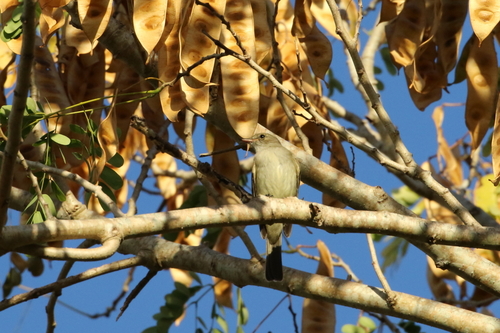 Caribbean Elaenia
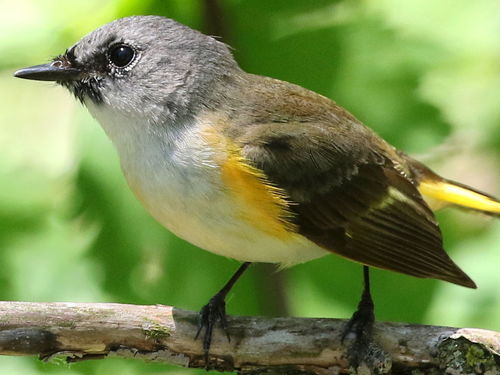 American Redstart
In breve
Il segno di campo più affidabile per separare Caribbean Elaenia da American Redstart è la presenza di macchie audaci e contrastanti sulle ali e sulla coda nel redstart (soprattutto nei maschi adulti), rispetto al piumaggio più sobrio e di tono oliva con barre alari chiare dell'elaenia. I redstart immaturi e femminili possono essere confusi, ma cerca la coda abitualmente aperta del redstart con macchie gialle o arancioni e la loro corporatura più piccola e snella. Caribbean Elaenia è più robusta, con una cresta folta, lore chiare e due barre alari chiare. La forma del becco è anche un forte indizio: l'elaenia ha un becco da insetti più largo e piatto, mentre quello del redstart è più fine e appuntito. L'habitat e il comportamento possono aiutare, ma il piumaggio e la struttura sono gli indizi più sicuri.
Consigli di identificazione
- Look for wing and tail patches: American Redstart (tutte le età/sessi) mostra macchie gialle brillanti (femmina/immaturo) o arancioni (maschio adulto) nella coda e nelle ali, visibili quando è posato o in volo. Caribbean Elaenia non mostra mai queste macchie—solo barre alari chiare.
- Check for a bushy crest: Caribbean Elaenia spesso solleva una cresta folta con una sottile striscia mediana bianca; American Redstart non ha affatto una cresta.
- Bill shape: Elaenia ha un becco da insetti largo e piatto con una base rosa scura alla mandibola; il becco del redstart è più fine, più corto e più appuntito, tipico di un warbler.
- Wing bars vs. patches: Caribbean Elaenia ha due barre alari chiare (bordo/punta delle copritrici), mentre il redstart non ha barre alari ma ha invece macchie colorate alla base delle primarie e della coda.
- Tail behavior: Redstart fanna frequentemente e lampeggia la sua coda, rivelando macchie colorate; la coda dell'elaenia è scura e non è aperta o lampeggiata allo stesso modo.
- Overall coloration: Elaenia è di colore oliva a oliva bruno sopra, con una gola grigia chiara e un ventre giallastro; il redstart è nero e arancione (maschio adulto) o oliva/grigio con macchie gialle (femmina/immaturo), con parti inferiori bianche.
- Facial pattern: Elaenia ha lore biancastre e un anello oculare sottile; il volto del redstart è più semplice, senza lore forti o anello oculare.
- Size and structure: Elaenia è più grande, più robusta, e ha una testa e un becco più grandi; il redstart è più piccolo, più snello e più delicato.
- Leg color: Entrambi hanno zampe e piedi scuri; non è un separatore.
- Behavior: Redstart è molto più attivo, in continuo movimento e alla ricerca di cibo, mentre l'elaenia è più propensa a rimanere eretta e a lanciarsi per catturare insetti.
- Sex/age confusion: I redstart immaturi e femminili possono essere confusi con l'elaenia a causa del loro piumaggio più opaco, ma cerca sempre macchie gialle nelle ali/coda e un comportamento più attivo.
- Habitat context: Se visti in habitat di arbusti secchi o ai margini nelle Indie Occidentali, è più probabile che si tratti di elaenia; in boschi umidi o cespugli, specialmente durante la migrazione/inverno, è più probabile che si tratti di redstart.
- Vocalizations: Se senti una canzone musicale 'see' o un 'chip' morbido, sospetta redstart, ma la mancanza di voce non è diagnostica per l'elaenia.
- Crest and crown stripe: Solo l'elaenia ha una cresta folta con una striscia mediana chiara; il redstart non mostra mai questa caratteristica.
- Plumage consistency: Entrambi i sessi e tutte le età dell'elaenia sembrano simili; il redstart mostra forti differenze sessuali e legate all'età, ma mantiene sempre macchie colorate sulle ali/sulla coda.
Taglia
Caribbean Elaenia è visibilmente più grande e pesante (massa corporea ~21.3 g) rispetto a American Redstart (che pesa in media circa 8 g negli adulti). L'elaenia misura 14–18 cm di lunghezza, mentre il redstart è più piccolo a 11–14 cm. L'elaenia è più robusta e più robusta, con una testa e un becco proporzionalmente più grandi. Il redstart è più delicato, con una coda relativamente lunga per le sue dimensioni, ma complessivamente molto più leggero e snello.
Piumaggio
-
Juvenile/First-year birds: Le femmine e gli immaturi American Redstart mancano del motivo nero e arancione del maschio adulto, mostrando invece parti superiori verde oliva, teste grigie e macchie gialle nelle ali e nella coda. Queste macchie gialle sono diagnostiche a tutte le età e sessi, anche se a volte meno brillanti nei giovani uccelli. Caribbean Elaenia di tutte le età manca di qualsiasi macchia sulle ali o sulla coda, mostrando invece due barre alari chiare e parti superiori di un oliva opaco a oliva bruno, con una cresta folta e una sottile striscia mediana bianca.
-
Adults: I maschi adulti American Redstart sono sorprendenti: neri come il carbone sopra con audaci macchie arancione-rosse sulle ali, sulla coda e sui fianchi, e parti inferiori bianche. Le femmine e gli immaturi hanno macchie gialle (non arancioni) ma mostrano comunque lo stesso motivo. Gli adulti Caribbean Elaenia sono molto più semplici, senza nero o colori brillanti, e mostrano sempre una gola chiara, un ventre giallastro e parti superiori olive. Entrambi i sessi dell'elaenia si somigliano.
-
In flight: I redstart (tutte le età/sessi) mostrano evidenti lampi di giallo o arancione nella coda e nelle ali quando sono aperti o in volo. L'elaenia non mostra tali lampi, solo bordi chiari sulle piume da volo e due barre alari chiare.
Comportamento
American Redstart è un foraggiatore molto attivo e irrequieto, spesso muovendo e aprendo la sua coda per mostrare le macchie colorate e spaventare gli insetti. Si muove frequentemente attraverso il fogliame, facendo brevi voli e lanciandosi dopo le prede. Caribbean Elaenia è più deliberata, spesso posandosi eretta e lanciandosi da un posatoio per catturare insetti, tipico dei catturatori di insetti. Può sollevare la sua cresta folta quando è allerta. L'apertura costante della coda del redstart è un indizio comportamentale chiave.
Habitat
Caribbean Elaenia si trova nelle Indie Occidentali, in alcune parti dell'America Centrale e nelle isole vicine, spesso in boschi aperti, arbusti e habitat ai margini. American Redstart nidifica in boschi aperti o arbusti, spesso vicino all'acqua, e sverna nei Caraibi e in America Centrale. È possibile un sovrapposizione durante la migrazione o l'inverno, specialmente nei Caraibi, ma l'elaenia è residente e più probabile in habitat più secchi o ai margini, mentre il redstart preferisce boschi e cespugli più umidi durante la nidificazione e l'inverno.
Voce
American Redstart emette una serie di note musicali 'see' come sua canzone, e un 'chip' morbido come suo richiamo. Le vocalizzazioni di Caribbean Elaenia non sono descritte nelle note fornite, quindi la voce non è un separatore affidabile qui.
Caribbean Elaenia · American Redstart · I miei uccelli difficili